

CENTCOM launched a round of strikes against Iran at 3 p.m. ET today for the seventh consecutive night. The strikes are designed to continue degrading Iranian military capabilities at the Commander in Chief’s direction.
—U.S. Central Command
Mission Briefing
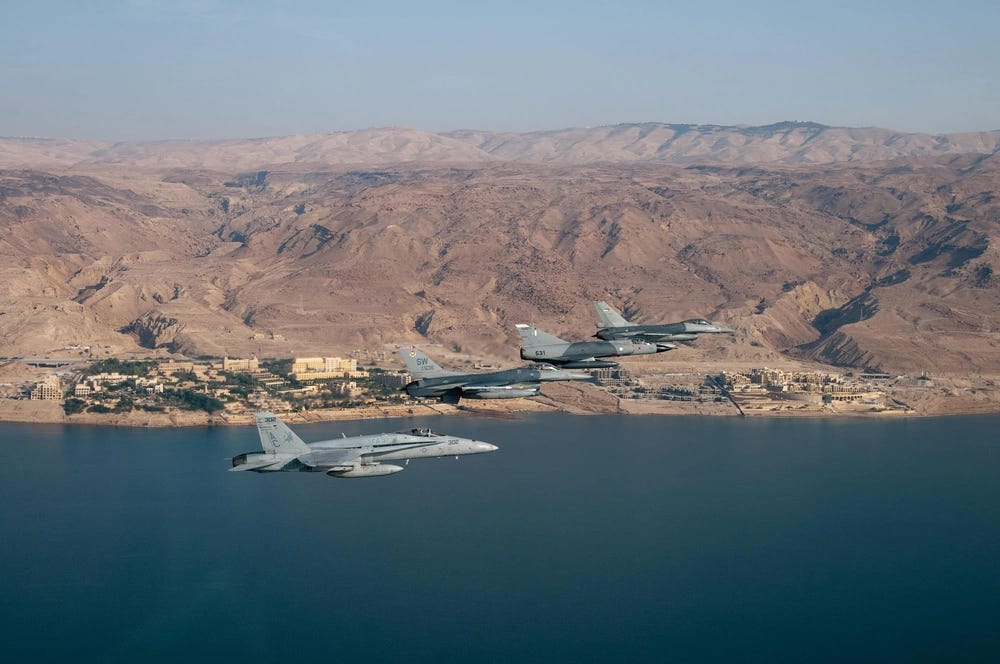
Iran launches a retaliatory storm, sending ballistic missiles and drones screaming toward Muwaffaq Salti Air Base in Jordan. The world holds its breath as two U.S. service members fall, the echo of loss hanging heavy in the air, while another is still unaccounted for. It’s a chapter written in smoke and steel—where vengeance flies at supersonic speed, and the cost is measured in lives and silence.
Two U.S. Troops Killed, One Missing
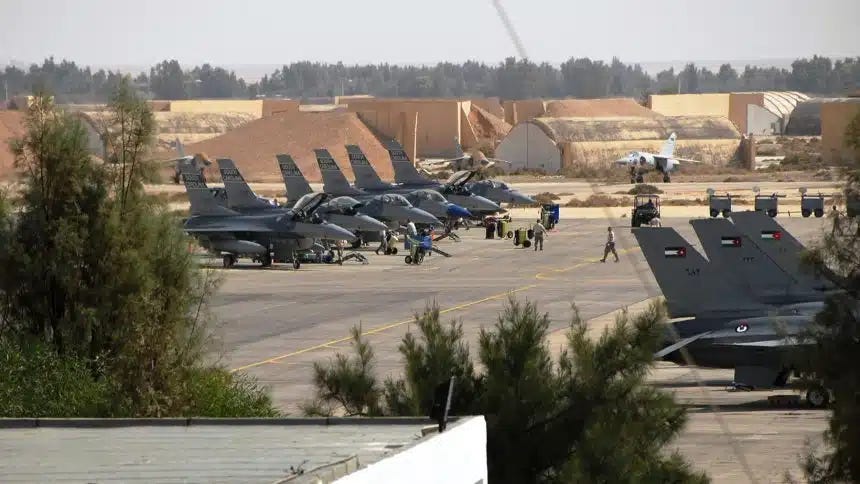
The desert sky on 17 July 2026 was anything but ordinary. Picture this: Muwaffaq Salti Air Base, nestled in Jordan’s endless sands, suddenly caught in the crosshairs of international fury. Iran, stung by a relentless U.S. bombing campaign, unleashed a wave of ballistic missiles and drones, turning the quiet base—home to hundreds of U.S. service members—into the heart of a geopolitical storm.
By sunrise, the gravity of the attack came into focus. U.S. Central Command (CENTCOM) stepped up to the mic on July 18, voices heavy with loss: two American service members gone, one still missing, several wounded. Some rushed to Jordanian hospitals, others already back on their feet, refusing to be grounded by the chaos.
It was just the latest chapter in a high-altitude duel stretching across the Middle East. For seven nights straight, U.S. forces had hammered Iranian targets. Surveillance outposts, shadowy weapon caches, logistics arteries, even Iran’s maritime threat along the Strait of Hormuz.
The message was clear: deter, degrade, and deny. But Iran saw red, calling the campaign an act of unjustified aggression, and vowed payback.
The Islamic Revolutionary Guard Corps (IRGC) broadcast warnings: any nation lending its runways and hangars to these American birds of prey could expect fire in return. They insisted their crosshairs were fixed solely on military targets, but the fallout told another story.
Across the Gulf, civilian lifelines—water, power—were hit. In Kuwait, emergency crews and ordinary citizens found themselves in the blast radius. Elsewhere, vigilant air defenses intercepted more incoming danger.
Up here, in the cockpit or the control tower, it’s clear: the skies over the Middle East are as turbulent as ever, and every action draws a shadow on the horizon.
More Updates about the Attack
The Pentagon released the names of three American soldiers lost to Iranian strikes on Jordanian soil, and another who fell in Iraq. Their stories now soar on the wind.
First Lieutenant Tyler James Feehan, just 25, once walked the red clay of Georgia and the sunlit shores of Hawaii. He was a man whose dreams were as high as his rank. A wedding waiting for him back home, a lifetime of “what ifs” now carried by those he loved. His parents, their voices trembling but proud, want the world to know Tyler packed more living into his years than most ever dare.
Private Isabella Gonzales, 19, hailed from Carrollton, Texas, her journey just beginning. She perished alongside Feehan in the Friday attack on Muwaffaq Salti Air Base, a world away from home, yet standing tall with her brothers and sisters in arms.
Sergeant Angel S. Rampersad, 28, was once listed as missing in action. Now, with somber certainty, remembered as a hero lost in the same Jordanian strike. In Iraq, Sergeant Michael Emmanuel Swinton of Fayetteville, North Carolina, met his fate while defusing an Iranian drone, a silent guardian cut down mid-duty.
The Pentagon’s statement rings clear: the enemy struck hard, but these aviators stood their ground. There were others wounded—some airlifted, all now home—but the investigation presses on, seeking answers in the desert wind. Iran’s Revolutionary Guard claimed responsibility, but the legacy of these fallen will outlast any headline; etched in memory, honored by a grateful nation.
No Sanctuary on the Flight Line
In the deep night over Jordan, the Muwaffaq Salti Air Base (long a launchpad and lifeline for Washington and its allies) suddenly finds itself in the crosshairs. Iranian missiles and drones descend, rewriting the playbook in real time.
What was once a symbol of American reach and reassurance is now squarely a target. The attack doesn’t just puncture runways. It blasts apart assumptions. Three American lives lost, one missing then found, all proving that even the best missile shields can’t promise sanctuary when the salvos are persistent and precise.
For U.S. commanders, the pressure is on: strike back, but also rethink everything. Spread out assets, toughen up shelters, stockpile interceptors, sharpen warnings, and weigh the political risks of keeping troops within hostile range.
For Jordan and other hosts, the reality is sobering: opening your gates to American forces brings protection, but also paints a bullseye on your own soil, skies, and people. Suddenly, every local airport and highway is part of the battlespace.
Now, the coalition must pull tighter. Integrate air defenses, share intelligence, toughen bases, prep medevacs, and keep diplomatic lines open, all to avoid a punishing tit-for-tat spiral. Hesitate, and deterrence frays; overreact, and alliances crack.
Even European airlines are steering clear, sensing invisible hazards overhead. Muwaffaq Salti isn’t just a battered airstrip. It’s a flickering warning light on the coalition’s dashboard, charting a new course through uncertain skies.
This Week in Aviation History
It’s the sweltering days of August 1964, and two American destroyers are patrolling the steamy waters of the Gulf of Tonkin when—crack!—they radio in, claiming enemy fire from the North Vietnamese. Quick as a pilot banking into a turn, President Lyndon B. Johnson takes the news straight to Congress, asking for the green light to send more U.S. muscle into the churning skies and jungles of Indochina.
Vietnam Into the Turbulence
It’s 7 August 1964, and the U.S. Congress, in a flurry of tension and uncertainty, hands President Lyndon B. Johnson a blank check called the Gulf of Tonkin Resolution. It’s a document forged in the heat of Cold War paranoia.
It is a passport for Johnson to do whatever it takes to keep the peace and, more importantly, keep communism at bay in Southeast Asia. This single act lays down the legal runway for both Johnson and Nixon to launch and escalate the Vietnam War.
But let’s wind the clock back. The First Indochina War ends with a thunderclap. The Viet Minh, gritty guerrilla fighters under Ho Chi Minh, topple the French at Dien Bien Phu in 1954. At the Geneva Conference, world powers carve Vietnam in two: North and South, two rival pilots steering their own ships.
Elections are promised to reunite the country. The communists, organized and electrifying, seem poised for victory. But the United States, always wary of the Red tide, steps in. With the Southeast Asia Treaty Organization in its back pocket, America throws its weight behind South Vietnam’s leader, Ngo Dinh Diem, who scrubs the elections, fearing a communist landslide.
Diem runs the South, but his grip is slippery. The countryside—dusty, green, and restless—leans toward the Viet Cong, communist insurgents who blend in with the rice farmers and fishermen. By 1959, the jungle whispers turn to gunfire: the Second Indochina War flares up, the Viet Cong and their northern allies launching a full-throttle insurgency.
Diem, for all his American backing, never captures hearts like Ho Chi Minh in the North. His policies miss the mark, especially for the rural poor. By 1963, his regime crumbles. He’s ousted and killed in a coup, a move quietly blessed by the Kennedy White House.
Tragedy doubles down: three weeks later, Kennedy himself is assassinated. As new faces take command in Washington and Saigon, the dream of a stable, unified South Vietnam drifts further away, battered by coups, chaos, and the relentless march of war.
Tonkin Skies: Escalation Cleared for Takeoff
By August 1964, the cockpit lights of American policy in Vietnam were flashing red. President Johnson and his crew believed the only way out of the storm was to throttle up U.S. involvement. South Vietnam, after Diem’s dramatic exit, was still a country in freefall. Its military stumbling, its government in a tailspin.
Out in the humid jungles and along the winding trails, U.S.-backed raids tried to disrupt the enemy’s supply lines, while American bombers pounded the Lao border in hopes of clipping the wings of North Vietnamese support.
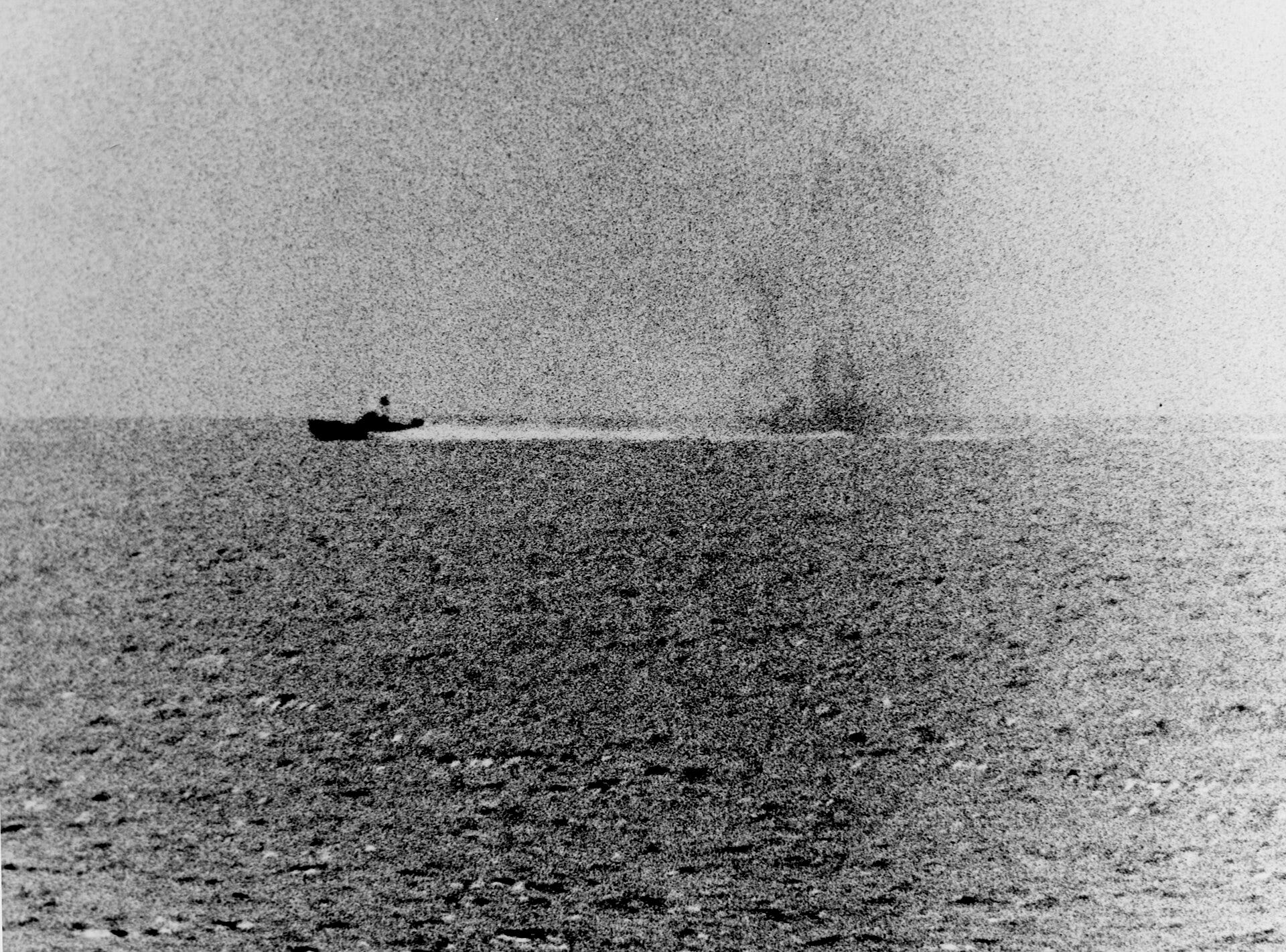
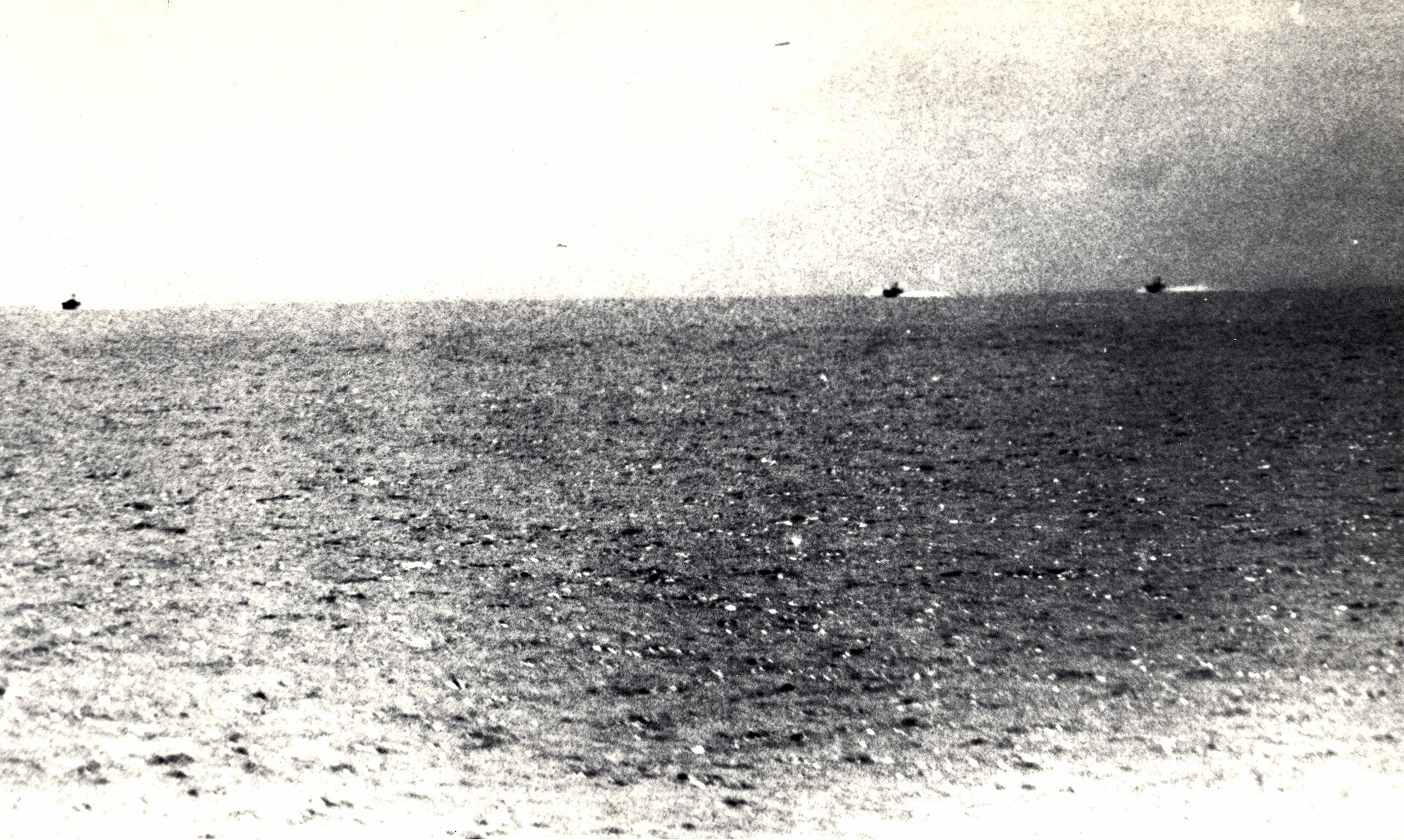
But the real drama was playing out at sea: two Navy destroyers, the Maddox and the Turner Joy, cruised the Gulf of Tonkin, backing South Vietnamese raids on the North. On August 2, the Maddox reported a skirmish with North Vietnamese patrol boats. Then, a second attack was reported two nights later; though later, doubts would swirl about whether that second dogfight ever really happened.
Still, the reports were enough. Johnson radioed Congress, asking for the green light to defend U.S. forces in Southeast Asia. The response was swift: the Gulf of Tonkin Resolution sailed through the House without a single dissent and met only two nay votes in the Senate. Lawmakers believed Johnson would loop back to them before hitting the afterburners on deeper involvement.
Those incidents over the waves—and the sweeping powers Congress granted—became the launch pad for a new phase of America’s flight into Vietnam. Banking on the hope that North Vietnam would buckle under relentless bombing, Johnson and his top brass launched Operation Rolling Thunder in February 1965, a pounding air campaign that roared on for two years.
Not stopping there, Johnson sent in the first waves of regular U.S. combat troops, parachuting them straight into the heart of the conflict, ready for a long-haul mission in Southeast Asia.
Radar Ghosts and an Unrecalled War
The Gulf of Tonkin’s legacy lies in how uncertain information became the runway for a wider war. The USS Maddox dances with danger as North Vietnamese patrol boats cut close; sparks in the dark, the opening scene of a story about uncertainty.
Two nights later, in a stew of stormy seas and jittery nerves, Maddox and her companion, Turner Joy, report another attack: flashes in the gloom, confused signals, officers squinting at screens and second-guessing what they see.
Back in Washington, President Johnson doesn’t wait for the fog to clear. He orders the jets to roar and asks Congress for a green light to stop any more trouble. Congress obliges almost unanimously, handing him a blank check—the Gulf of Tonkin Resolution.
With that, America’s role in Vietnam lifts off, gaining altitude fast, far beyond what most lawmakers imagined. Years later, we learn that the second attack was a ghost; it never happened. Signals got lost, doubts were hushed, and the story took on a life of its own.
Tonkin’s true legacy showed a cautionary tale for anyone at the controls, from pilots to presidents: don’t let ghosts on the radar launch you into a war you can’t call back.
The echoes of that lesson still fly today, wherever uncertainty meets high stakes and the urge to act outpaces the urge to know.
In Case You Missed It
Photo Outlet
Every issue of Hangar Flying with Tog gets you a free image that I’ve taken at airshows:
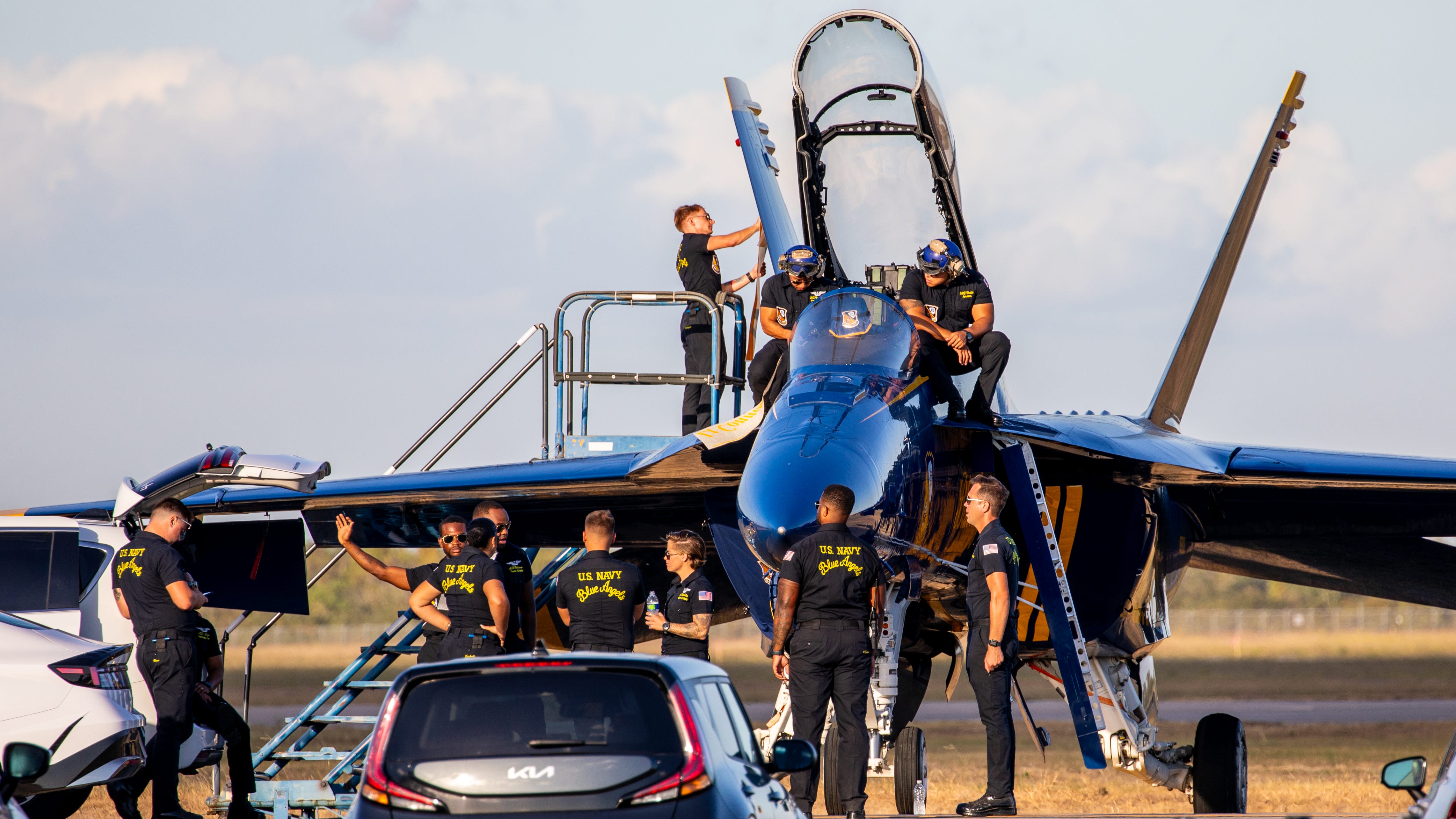
Feel free to use these photos however you like. If you choose to tag me, I am @pilotphotog on all social platforms. Thanks!
Post Flight Debrief
Like what you’re reading? Stay in the loop by signing up below—it’s quick, easy, and always free.
This newsletter will always be free for everyone, but if you want to go further, support the mission, and unlock bonus content like the Midweek Sortie, consider becoming a paid subscriber.
Your support keeps this flight crew flying—and I couldn’t do it without you.
– Tog