

The Trillion-Dollar Shield Above America and When Telstar Initiated the Era of Global Satellite Television
From Telstar’s first live signals to Golden Dome’s orbital shield, space evolves from connecting continents to defending nations in a new age of satellite power above Earth itself.
“Golden Dome stands as a layered defense shield, safeguarding the American homeland with unwavering precision, ensuring the security and resilience of our nation.”
—Lockheed Martin
Mission Briefing
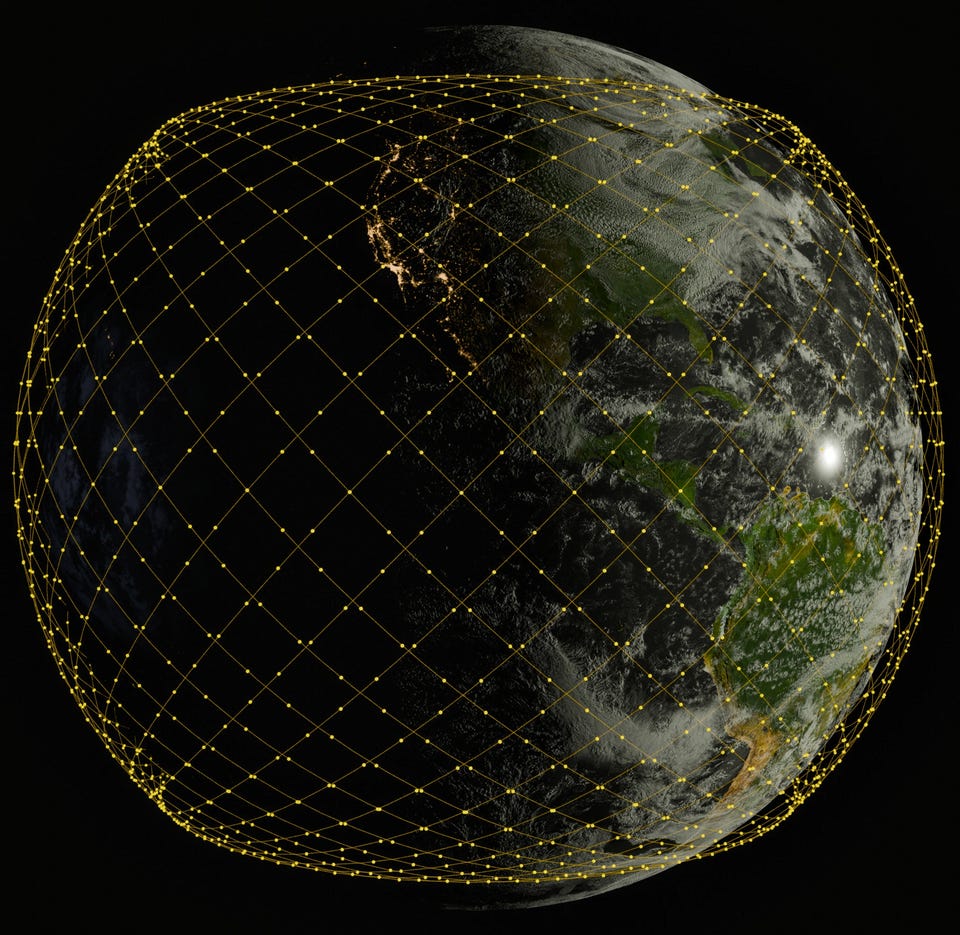
The Golden Dome program is where American missile defense takes flight into a new era. Twelve aerospace titans, fueled by a $3.2 billion Space Force contract, racing to build interceptor satellites that can hunt down enemy missiles in the earliest stages of their journey. These orbital guardians will chase down everything from ballistic threats to hypersonic gliders, guided by swarms of sensors, lightning-fast AI, and a constellation-packed sky. But make no mistake, the mission is as daunting as it is daring, with challenges looming as vast as the heavens themselves.
Golden Dome: When Missile Defense Moves to the Stars
The U.S. Space Force’s recent announcement isn’t about funding a ready-made shield in orbit. It’s the opening bell for a high-stakes race.
Through Space Systems Command, Washington has handed out 20 Other Transaction Authority agreements, worth up to $3.2 billion, to a dozen aerospace pioneers, from Lockheed Martin and SpaceX to scrappy upstarts like True Anomaly and Turion Space. This isn’t your usual government contract, either.
An OTA gives the brass the freedom to pit ideas against each other, cut dead weight, and sidestep the classic blunder of picking a “winner” too soon, only to be trapped by ballooning costs and outdated tech a decade down the line. Instead, the government is fueling prototypes, fostering fierce competition, and hunting for the best blend of performance, cost, propulsion, software, and manufacturability.
The mission? By 2028, pull off a mind-bending demonstration. Not just a satellite launch, but a fully choreographed cosmic dogfight: spot the threat, track it, crunch trajectories, make the call, maneuver in orbit, separate the interceptor, guide it to target, and deliver a kinetic knockout, all in the blink of an eye.
In this domain, the smallest slip in speed or angle means the difference between triumph and a miss by hundreds of kilometers. Don’t let the “Golden Dome” name fool you. This isn’t a replica of Israel’s Iron Dome.
The branding is catchy, sure, but the task at hand is far bigger: defending a continent from missiles coming in at blistering speeds from every direction. The name sells the story, but the real plot is far more complex and the stakes are sky-high.
The High Frontier’s Trillion-Dollar Question
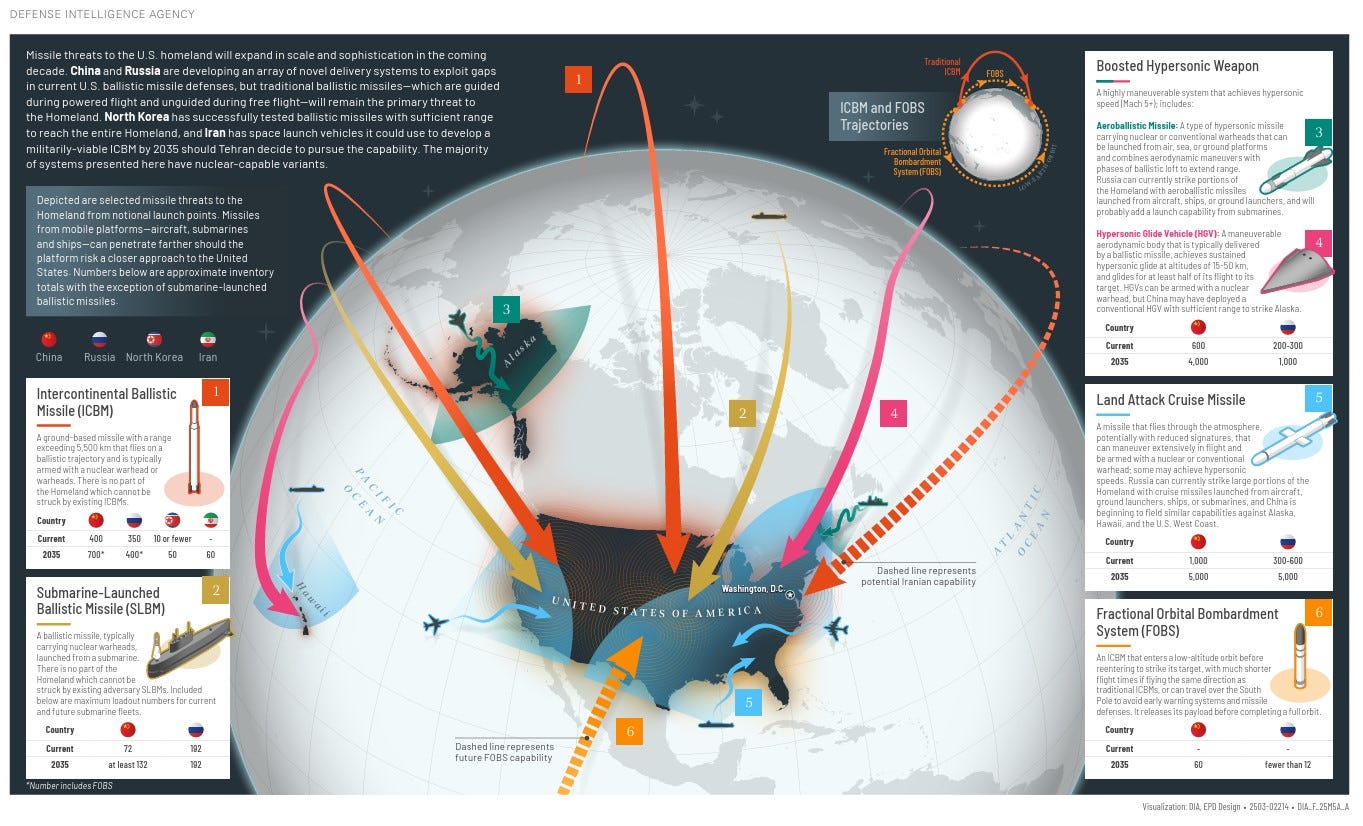
Ground-Based Midcourse Defense interceptors stand sentinel in Alaska and California. At the same time, Aegis cruisers, THAAD, Patriot batteries, sprawling radar sites, and space-based sensors form a web of protection, all stitched together by fast command networks.
But these guardians mostly wait until the enemy missile has finished its fiery sprint skyward; engaging only as it arcs through space or dives toward its target. Enter the Space-Based Interceptor, a bold plan to flip the script and strike sooner, in the split seconds after launch.
On paper, the concept is almost elegant: put interceptors in low Earth orbit, ready to pounce on threats in their vulnerable boost phase. But in practice, it’s an aviator’s challenge of the highest order.
Satellites at these altitudes, say 300 to 500 kilometers up, whip around the Earth at over 7.8 kilometers per second, never lingering above one spot, always racing the clock. The real trick?
You need a vast fleet of these orbital hunters, orchestrated so that at any given moment, enough of them are perfectly positioned to catch a missile in that fleeting launch window. Sometimes just a few minutes long.
That means the constellation can’t be a handful of ultra-expensive birds; it has to be a swarming, resilient, ever-replenished force, taking a cue from the rapid-fire, adaptable spirit of the New Space industry.
Of course, missile defense isn’t just about getting a bird in the sky—it’s about the entire “kill chain.” Golden Dome’s vision weaves together infrared eyes, radar sweeps, encrypted comms, real-time data fusion, AI-driven targeting, and the steady hands of command centers.
Artificial intelligence gets a lot of buzz, but it’s not some autopilot with a launch button; its real job is to spot threats faster, match tracks, predict trajectories, and tee up engagement options for human decision-makers.
How well could this work? Against a rogue launch or a small-scale regional attack, the Golden Dome could be a game-changer. But for the nightmare scenario—a massive barrage from a nuclear heavyweight like Russia or China. Even a sky full of interceptors can’t guarantee a perfect shield.
The Congressional Budget Office says it straight: this next-gen system could far outpace today’s defenses, but stopping a full-scale onslaught remains out of reach. Politically tricky, yes, but that’s the technical truth from the cockpit.
New Shield Over the High Frontier
For the United States, the Golden Dome program is more than just a new missile-defense system. It’s a bold declaration that protecting the homeland now means looking beyond land, sea, and sky, straight into orbit.
The White House paints it as a next-gen shield, one that can stand up to ballistic missiles, hypersonic gliders, advanced cruise threats, and more, all thanks to space-based sensors, swarms of interceptors, and tighter teamwork with allies.
If the plan works, it won’t just put a protective dome over America, but could also wrap U.S. forces and infrastructure in a thicker layer of deterrence while drawing allies deeper into the fold; sharing early warnings, tracking, command networks, and cutting-edge tech.
But this promise comes with plenty of turbulence. Space Systems Command aims to show off real capability by 2028, deploying a spread of satellites in low Earth orbit to catch threats at every stage.
Experts point out this move shifts the focus from rogue actors to heavyweight rivals like Russia and China, and the Congressional Budget Office warns the price tag could soar to $1.2 trillion, with space interceptors gobbling up the lion’s share. Critics caution that instead of cooling tensions, such a shield might just heat up an arms race.
In the end, Golden Dome could become America’s new celestial safety net. But only time will tell if this shield can outpace not just the next missile, but the spiraling costs and political storms waiting below.
This Week in Aviation History
Ever since the 1960s, NASA teaming up with private industry has made it possible for the whole world to tune in to moments like Queen Elizabeth II’s Diamond Jubilee or the Olympic Games. These days, global TV broadcasts seem as ordinary as flipping a switch, but that seamless coverage was unimaginable before the launch of Telstar. It was that little satellite, sent skyward fifty summers ago, that first stitched continents together in real time. Looking back, it’s wild to think our modern media universe traces its roots to that single pioneering moment in spaceflight history.
The Dawn of Live Earth
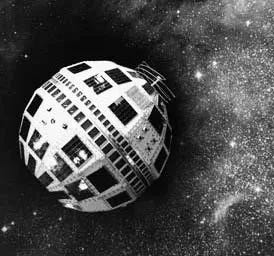
Telstar 1 was the trailblazer, the first satellite that could beam television from Europe to North America, shrinking the Atlantic into a flickering line on a screen.
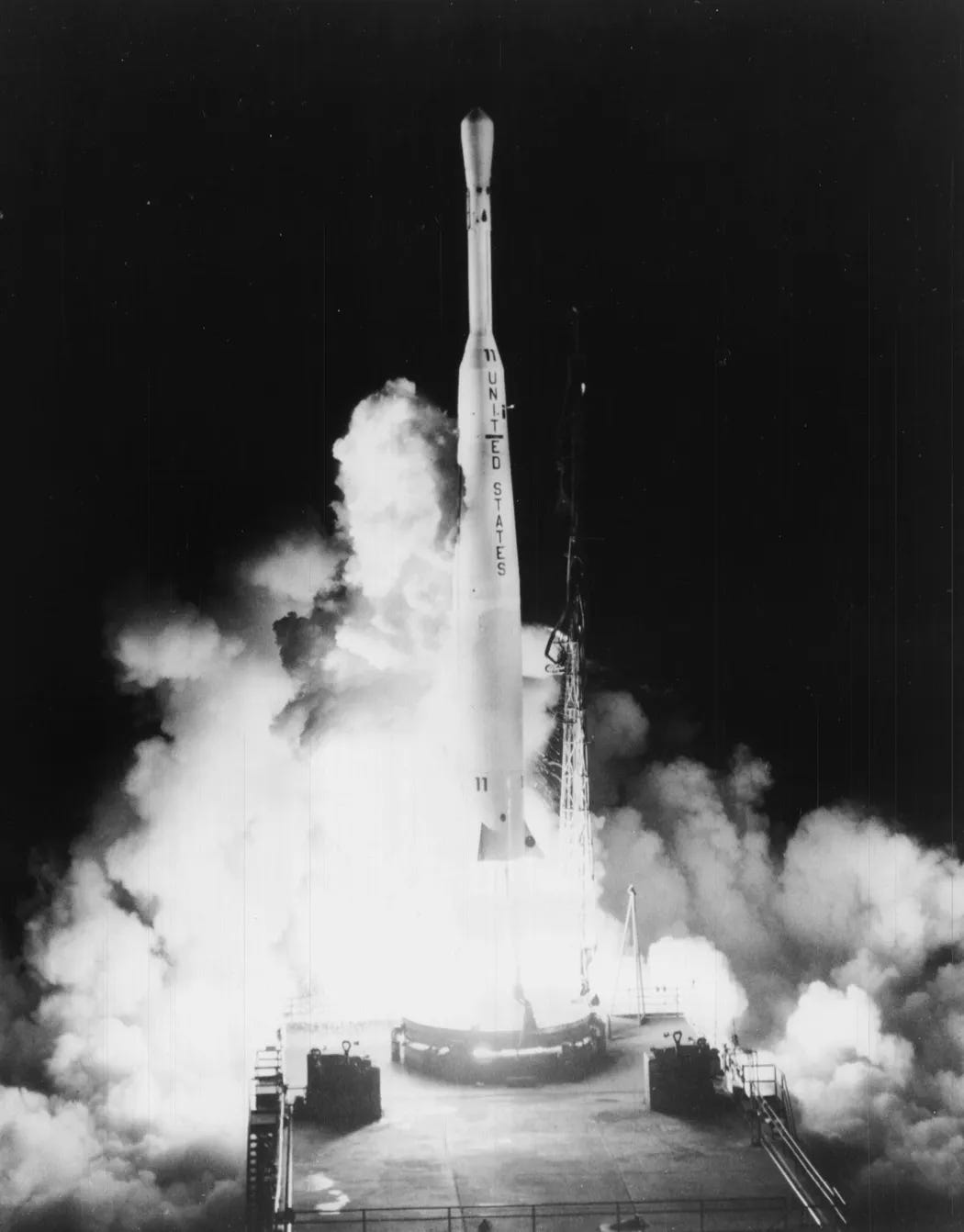
Weighing in at just 171 pounds and about the size of a beach ball, Telstar was packed with transistors, wrapped in solar panels, and hurled into orbit by a Delta rocket from Cape Canaveral at 2:35 a.m. on 10 July 1962.
John Neilon, NASA’s deputy launch director for the mission, remembered the thrill of that first attempt; unusual for the era, when launches often took several tries. Once the satellite settled into its sweeping elliptical orbit, all systems checked out, and the team’s hopes turned into electric excitement.
Just hours after launch, Telstar made history by relaying the first live television signal to France. A simple shot of an American flag fluttering at the Andover, Maine, ground station.
Soon after, American viewers watched the first live images sent across the ocean. Telstar wasn’t just about TV; it carried phone calls, data, and even picture facsimiles, proving its worth as a technological Swiss Army knife. Neilon recalled the pride and nerves of those days: “Today, you expect things to work. Back then, we ‘hoped’ it would work.”
President Kennedy himself hailed Telstar as a shining symbol of American ingenuity during the white-hot tensions of the Cold War. The world noticed. Polls showed Telstar was more famous in Britain than Sputnik ever was.
What made Telstar even more groundbreaking was its commercial DNA: built by Bell Labs and funded by AT&T, it was the first privately financed satellite, the kickoff for a new era where the stars were open for business.
The Small Satellite Behind the Big Broadcast
At the heart of NASA’s bold venture, the Goddard Space Flight Center steered the Telstar project. Hard as it is to imagine now, live global broadcasts were pure science fiction back in 1953 when Queen Elizabeth’s coronation lit up London.
For Americans to catch a glimpse, TV crews had to film the ceremony, develop and edit the footage on a transatlantic flight, and only then air it stateside, hours after the event. Telstar changed all that, bringing the world one step closer together by making it possible to watch history unfold as it happened, no matter which continent you called home.
By 1966, Leonard Jaffe, NASA’s Satellite Communications Program director, declared, “Telstar is the best known of all communications satellites and is probably considered by most observers to have ushered in the era of satellite communications.”
Thanks to Telstar and the relay satellites that followed, news, elections, wars, and sporting spectacles could be shared live, weaving a thread of real-time connection around the globe.
Of course, early technology had its quirks. Telstar’s orbit only allowed about 18 minutes of broadcast time as it swept over the Atlantic before vanishing out of range.
The game truly changed when Sir Arthur C. Clarke’s vision took flight: satellites parked in a “geosynchronous” orbit 22,300 miles up, always hovering over the same spot, ready to beam TV signals across oceans at any moment.
Telstar itself was no bigger than a beach ball, but the ground stations it communicated with—like Andover, Maine’s horn antenna—were giants, soaring seven stories and tipping the scales at 340 tons.
Neilon, who saw Andover up close, marveled at its enormity compared to the dish antennas the size of umbrellas dotting rooftops today.
So, as millions tune in to the Summer Olympics “live via satellite,” they’re tapping into a legacy that started fifty years ago, with a little sphere called Telstar opening the door to a truly connected world.
Telstar and the First Signal of a Connected Planet
This isn’t just another hunk of space metal. Telstar is about to shrink the globe. In a single leap, it beams the world’s first TV images from Europe to North America, blowing open the doors of possibility. Suddenly, news, sports, and live events can hop the Atlantic not by cable, but by leapfrogging through space.
Crafted by AT&T and Bell Labs (with a little help from NASA’s rockets), Telstar didn’t hang around for long, but boy, did it make an entrance. In its short, bright life, it handled hundreds of phone calls, telegrams, faxes, and (most dazzlingly) those first live TV broadcasts between continents.
For folks watching at home, it was the moment space stopped being science fiction and started feeling like the world’s biggest shortcut.
Telstar’s design was as bold as its mission, setting standards for satellites that followed. NASA and the Smithsonian still tip their hats to it, ranking it alongside Relay and Syncom in the history books as an early architect of global connection.
So, while Telstar’s time in the sky was brief, its echo is everywhere. It turned the dream of a connected planet into reality, paving the way from those first fuzzy broadcasts to today’s nonstop, high-speed, satellite-powered world. A tiny trailblazer, Telstar lit the path and we’re still following its signal.
In Case You Missed It
Photo Outlet
Every issue of Hangar Flying with Tog gets you a free image that I’ve taken at airshows:
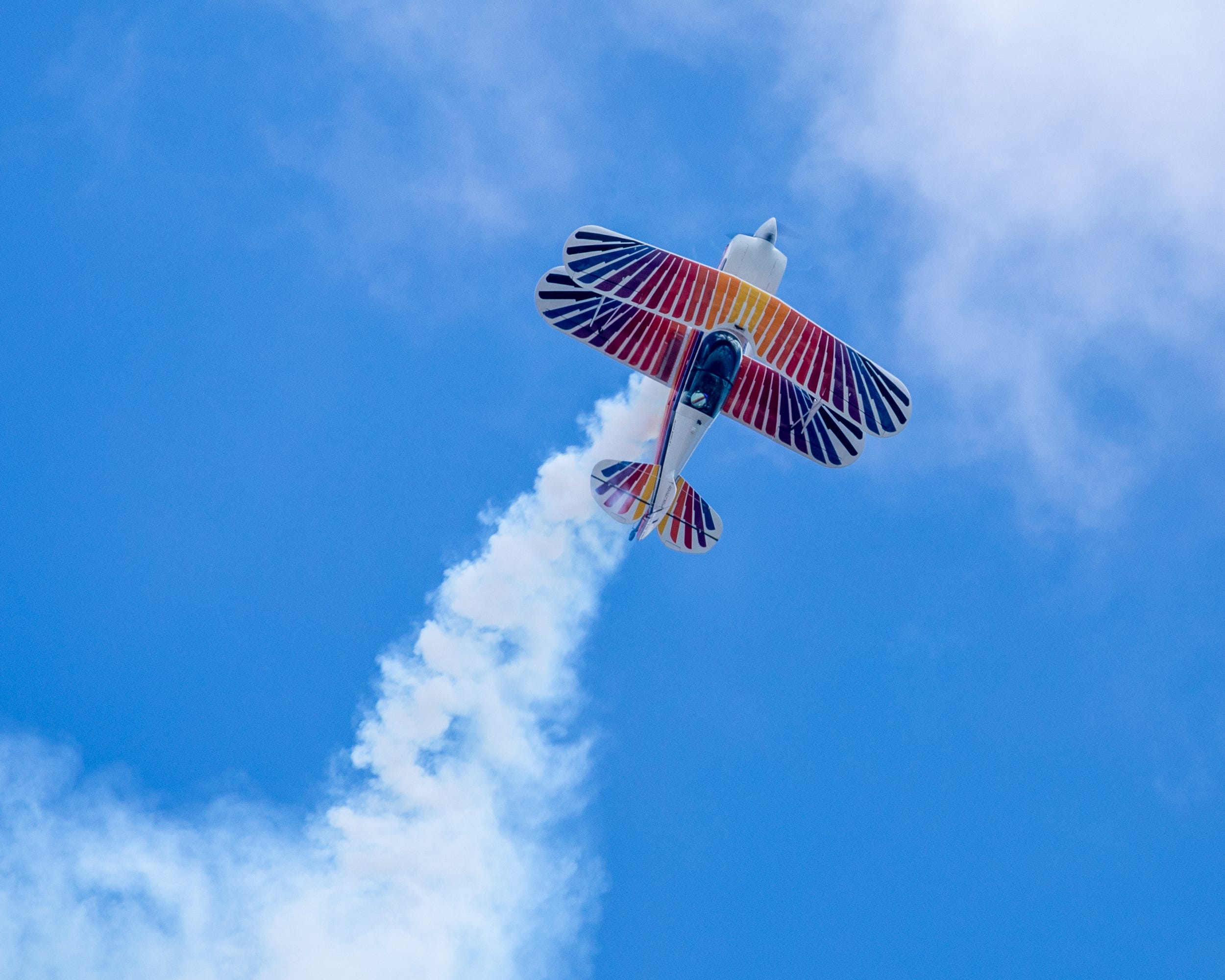
Feel free to use these photos however you like. If you choose to tag me, I am @pilotphotog on all social platforms. Thanks!
Post Flight Debrief
Like what you’re reading? Stay in the loop by signing up below—it’s quick, easy, and always free.
This newsletter will always be free for everyone, but if you want to go further, support the mission, and unlock bonus content like the Midweek Sortie, consider becoming a paid subscriber.
Your support keeps this flight crew flying—and I couldn’t do it without you.
– Tog
Ironic to mention the Golden Dome/space warfare and Telestar in the same story. Telestar was zapped by Starfish Prime, which detonated a H-bomb high in the atmosphere over the Pacific to test the effects of such an action if done by the Soviets.
Telestar's British popularity also shows through with the song of the same name, which was the first by a British group to hit #1 on Billboard in the USA.