

“In consultation with @SecWar, we will EXTEND the A-10 “Warthog” platform to 2030. This preserves combat power as the Defense Industrial Base works to increase combat aircraft production.”
—Office of the Secretary of the Air Force Twitter Post
Mission Briefing
The legendary A-10 Thunderbolt II, that iconic warbird with a bite, is set to keep soaring through American skies until at least 2030. That’s the latest word from the top brass—the Secretary of the Air Force himself confirming the Warthog’s saga isn’t over yet. Buckle up, because the story of this battle-hardened aviator is far from finished.
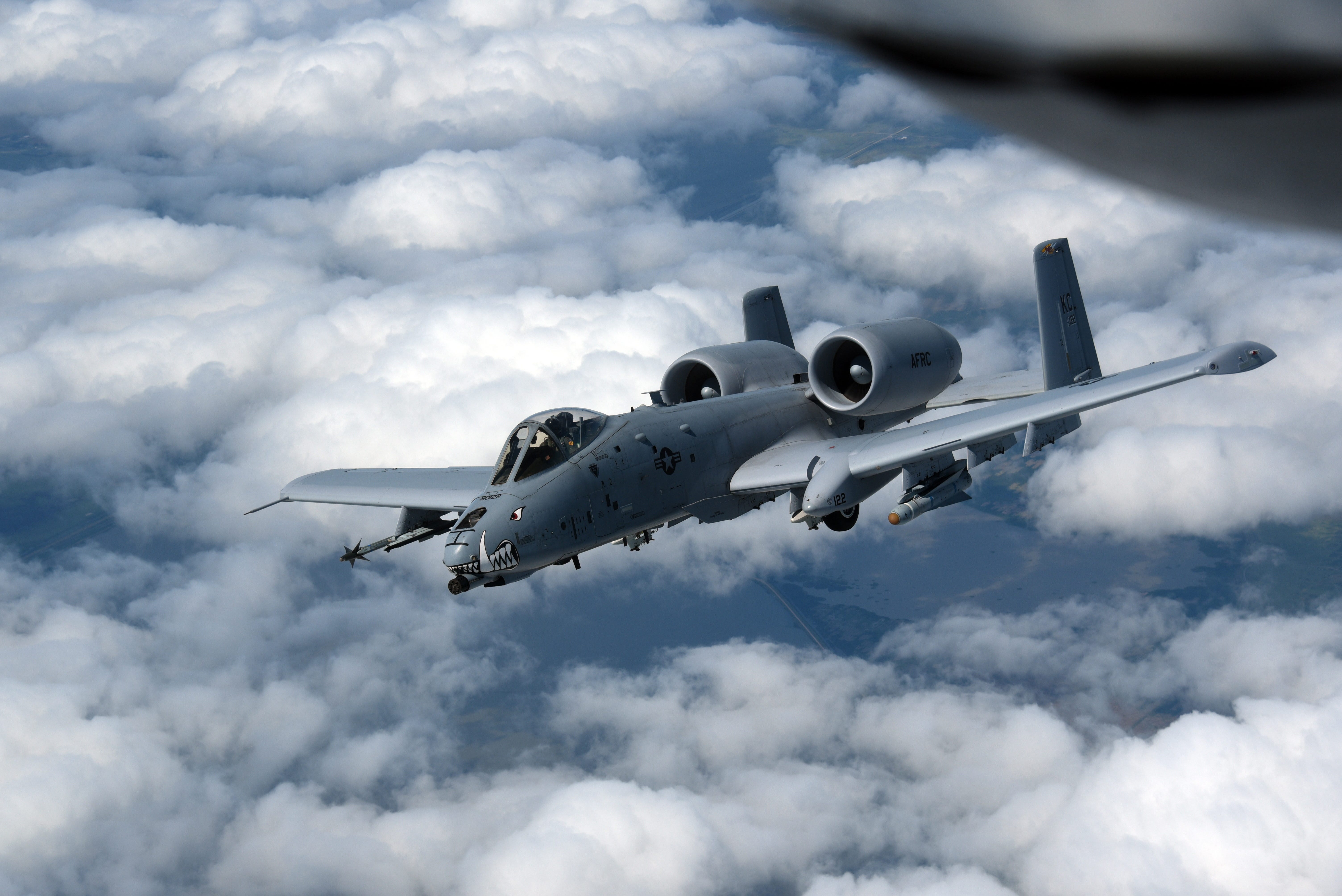
Warthog’s Service Life Extended Until 2030
Strap in and let me tell you a tale from the cockpit. The saga of the A-10 Thunderbolt II, a legend in its own right, takes another twist. The Air Force’s latest game plan keeps two squadrons of the Warthog flying high until 2030, with a third squadron holding the line until 2029. Just a few years ago, the brass wanted to ground the entire fleet by 2026, but Congress wasn’t having it. The old bird’s story, it seems, isn’t ready for a final chapter.
Now, there was talk once that these rugged airframes could be patched up and pushed on into the 2040s. But here’s the truth, as any aviator will tell you: you don’t keep warbirds in the fight without a steady stream of fresh pilots and maintainers.
With the last batch of A-10 drivers just having graduated, odds are stacked against keeping more than a squadron or two past 2030 unless the Air Force dusts off those support pipelines they’ve already mothballed.
According to Pentagon insider Brian Everstine, the units flying on till 2030 include Moody AFB’s frontline squadron and a stalwart reserve unit out at Whiteman AFB. Another squadron at Moody will keep the engines humming till 2029. These are the last chapters in a saga that’s seen the Warthog fly into more than its share of storms.
The critics have always been circling, pointing out the A-10’s vulnerabilities in a sky bristling with modern anti-aircraft threats. They say she’s too slow and too low for today’s dogfights.
But the Warthog’s adapted, picking up new tricks. Taking on drones, delivering precision strikes, and proving she can still put the fear into anyone on the wrong side of her cannon.
Take Operation Epic Fury: A-10s pounded Iran-backed militias in Iraq and Syria, letting stealthier jets handle the real hot zones. Word is, the Hog even tangled with Iranian forces directly, playing hero in a daring search-and-rescue for a downed F-15E pilot. One A-10 was lost, but the pilot punched out safely back over friendly turf.
And just when you thought the engineers were winding down, they rolled out a new refueling mod for the A-10, letting her gas up from hose-and-drogue tankers. That’s no small tweak, especially with the KC-46 still not cleared for Hog duty and the KC-135’s tricky mixed-fleet refueling.
So, ask yourself: would they have bothered with that if the Warthog’s days were numbered? Looks like there’s still some fight—and a few more stories—left in this old bird yet.
The Anatomy of the Warthog
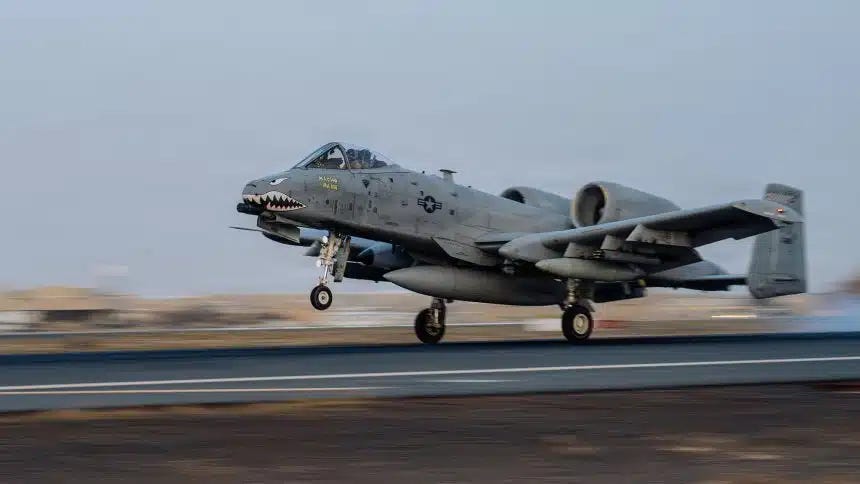
The Warthog isn’t just a brute; she’s nimble, especially down low and slow, where it matters most. This beast can twist and turn at treetop level, hugging the ground while delivering pinpoint firepower exactly where the grunts need it.
She can hang out near the front lines for hours, ready to swoop in at a moment’s notice, and doesn’t mind roughing it. Give her a patch of dirt and she’ll land there, even with clouds barely a thousand feet overhead and visibility you could measure with a yardstick.
Loaded up with both smart bombs and old-school iron, the A-10C brings the rain wherever the fight is, clear skies or socked in, above or below the clouds, day or night.
Thanks to night vision goggles and a suite of next-gen tech, Warthog pilots can hunt in the dark and hit targets you can’t even see from the ground. The big bubble canopy gives you a panoramic view, while the titanium armor wrapped around the cockpit and vital systems means the pilot is sitting in a titanium bathtub—tough as nails and ready for trouble.
Take a hit? The A-10 shrugs off rounds up to 23mm—armor-piercing or high explosive, it doesn’t matter. If hydraulics go out, manual systems keep her flying. Even the fuel tanks are armored and self-sealing, so the Hog can take a beating and make it home in one piece.
The design’s smart, too. Lots of interchangeable parts, engines, landing gear, even vertical stabilizers can swap left to right, making repairs in the field a breeze.
The cockpit is a techie’s dream: comms, GPS, fire control, and a heads-up display that feeds the pilot everything from airspeed to weapons data. The LASTE system helps drop bombs exactly on target, while a full suite of countermeasures keeps missiles and flak at bay.
And then there’s the heart of the beast. The legendary 30mm GAU-8/A Gatling gun, spitting out nearly 4,000 rounds a minute, able to chew through tanks and anything else in its sights. Add in Mavericks, Sidewinders, and laser-guided bombs, and you’ve got a flying arsenal built for the toughest jobs in the sky.
The A-10’s Final Orbit Before Sunset
The A-10 Thunderbolt II’s extension to 2030 means the U.S. Air Force is buying time, combat mass, and close-air-support insurance while the defense industrial base struggles to produce enough newer aircraft fast enough.
The new plan reverses earlier expectations that the Warthog would be fully withdrawn by fiscal year 2029, keeping two squadrons to 2030 and another to 2029. Military Times adds that the retained force is expected to total 54 A-10s through 2029, then 36 aircraft in 2030.
For the U.S., this is a practical battlefield decision. The A-10 remains a rugged, low-altitude attack aircraft designed for close air support, with long loiter time, accurate weapons delivery, and the ability to hit ground and light maritime targets.
In current operations, it gives commanders a cheaper, available platform for lower-threat missions, freeing stealthier aircraft for more dangerous airspace. The recent use of A-10s in Operation Epic Fury, including missions tied to maritime operations in the Strait of Hormuz and combat search-and-rescue support, shows why the aircraft still has operational value.
For allies, the extension signals reassurance: American close-air-support capacity is not disappearing overnight. NATO, Middle East partners, and Indo-Pacific planners gain a little more breathing room while the U.S. transitions toward F-35s, drones, precision weapons, and future collaborative combat aircraft.
But this is not a resurrection. It is a controlled delay. The Warthog’s growl will remain on the flight line a little longer, setting up the next issue: what aircraft, crewed or uncrewed, finally inherits the close-air-support burden when the A-10’s last gun run ends?
This Week in Aviation History
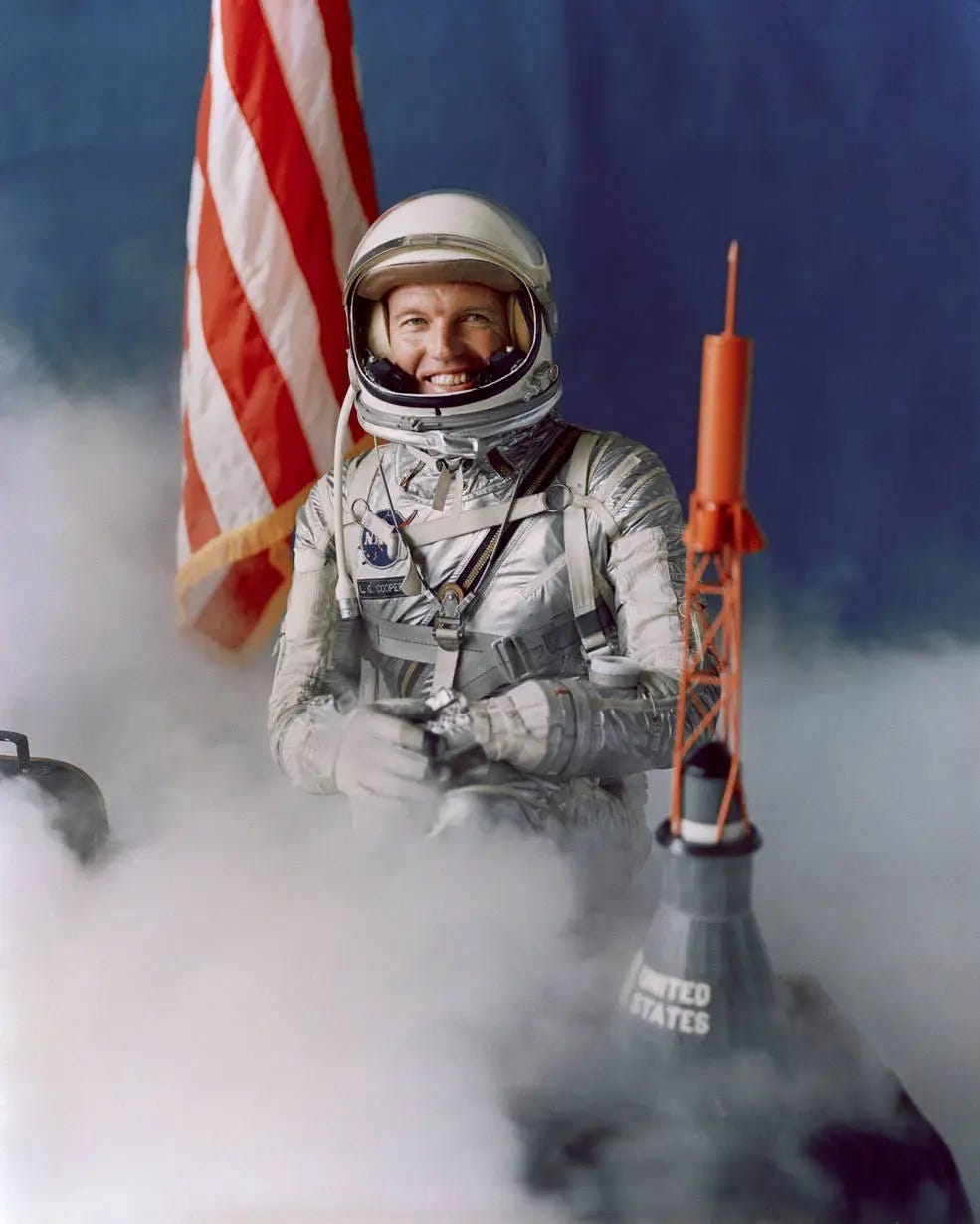
On 16 May 1963, the roar of reentry echoing across the Pacific as aviator-astronaut Gordon Cooper splashes down, grinning behind his helmet visor. It’s the curtain call for Project Mercury, and Cooper, call sign Faith 7, just pulled off the longest American spaceflight to date: 22 orbits, 34 hours in the cosmic void.
He wasn’t just along for the ride; the man ran 11 science experiments, all while his ship started throwing curveballs. When the hardware faltered, Cooper coolly took the stick, flying Faith 7 home by hand like a true sky cowboy. That day, the legend of Mercury’s final flight was written across the heavens in contrails and courage.
When Faith 7 Mission Was Finally Completed
The sky buzzing with anticipation. L. Gordon Cooper, call sign Faith 7, is about to write his name in the stars as the last pilot of Project Mercury. He’s not just a passenger; Cooper is the tip of the spear, hand-picked in November ’62, with Alan Shepard riding shotgun as backup.
Originally tasked with 18 laps around the blue planet, NASA ups the ante to 22 after Walter Schirra’s triumphant run, transforming Cooper’s ride into a marathon through the heavens. That meant more cameras, more science, more sleepless hours for ground control, and a fresh test of what a single human could handle in orbit.
The launch isn’t without drama. Atlas rocket hiccups and a scrubbed attempt on May 14th keep everyone guessing. But on May 15th, Cooper’s Faith 7 finally blasts off from Cape Canaveral, slicing into the void. The first hours are smooth sailing. Cooper snaps photos of Earth, samples the oddball menu of space cuisine, and wrangles a suite of scientific experiments.
Everything from strobe-lit spheres to a tricky tethered Mylar balloon. Faith 7 even beams back the first TV images from an American spacecraft, grainy but historic, as Cooper quips that he’s flying a camera as much as a rocket.
But as any aviator knows, the skies can turn quick. On orbit 19, a phantom reentry signal flashes, then a short circuit knocks out the auto-control system. Carbon dioxide creeps up in the capsule.
Unfazed, Cooper flips to manual. No autopilot, just nerves of steel and years of training. He lines up Faith 7 by hand, times the retrorockets, and rides a blazing trail back through the atmosphere. Parachutes blossom on cue, and Cooper splashes down less than five miles from the waiting U.S.S. Kearsarge, a textbook recovery.
Faith 7’s voyage was more than a record-setter; it was proof that astronauts could push past the unknown, work the science, and steer themselves home when the chips were down.
Cooper’s cool under pressure and the mission’s success gave NASA the green light for the next big leap: Project Gemini, where the path to the Moon would be paved by rendezvous, docking, and even longer journeys. In the legend of the early space race, Faith 7’s flight is a high-flying tale of guts, grit, and a whole lot of faith.
What is Project Mercury?
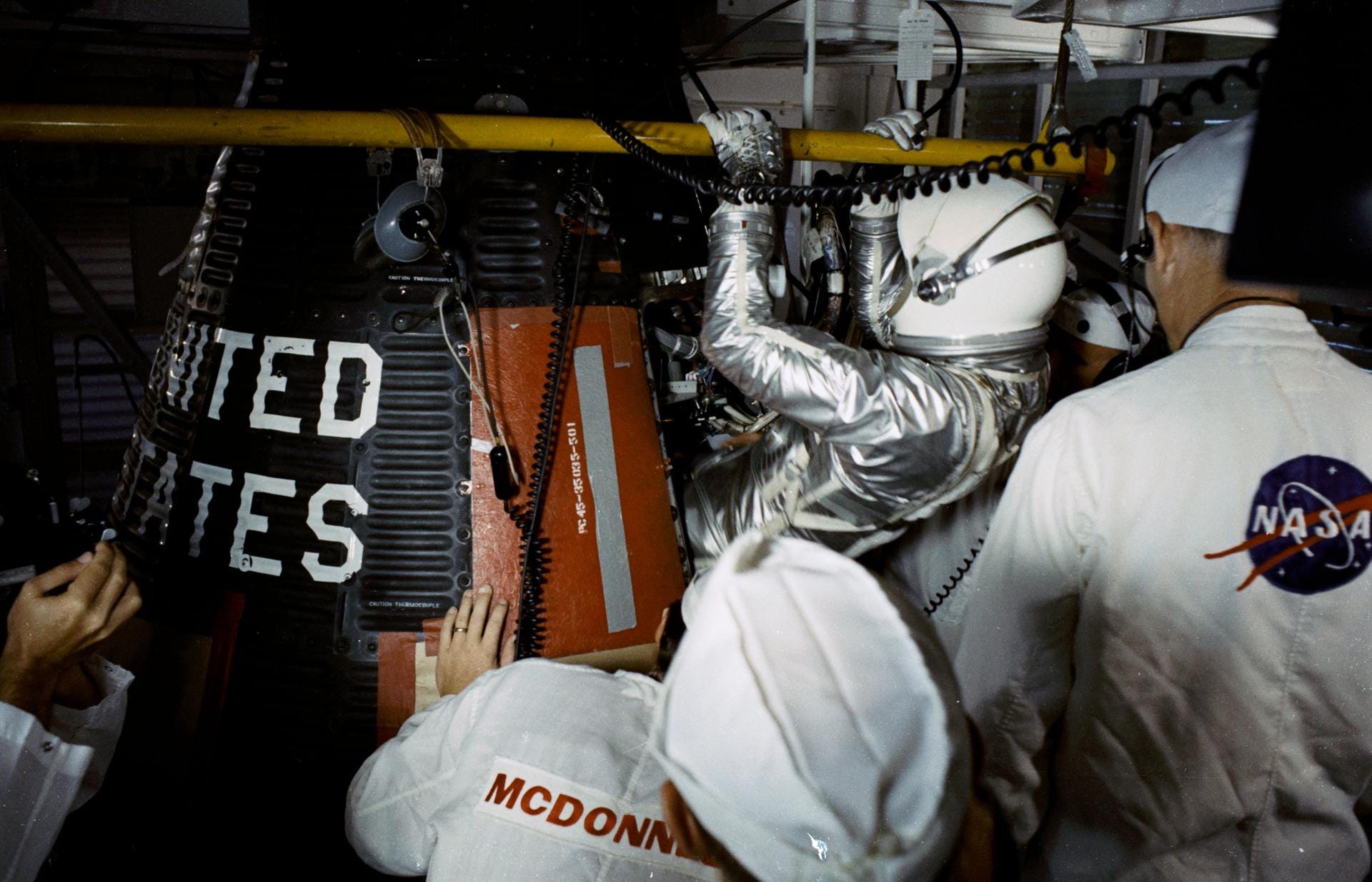
Project Mercury, America’s first leap into the cosmos and the bedrock of NASA’s crewed adventures. The mission sounded simple: launch a human into orbit, see if they could thrive up there, and bring both astronaut and spacecraft home safely.
But that challenge was epic, so engineers worked fast, leaned on tried-and-true tech, and adapted everything from Atlas rockets to off-the-shelf gadgets. The Mercury capsule packed in a launch escape tower, manual controls, retrorockets, a reentry design tough enough for fire and fury, and the ability to splash down safely in the sea.
Mercury started with the big question: can an American survive and work in space? Alan Shepard answered with his suborbital flight; John Glenn proved orbital flight was possible.
Each mission stretched the limits. Longer stays, sharper control, new experiments, snapshots of Earth, and medical monitoring, all while boosting confidence in both the astronauts and their machines. Mercury wasn’t just about getting there; it was about learning how to operate in orbit when the stakes were sky-high.
The finale came in May 1963, when Gordon Cooper took Faith 7 for 22 orbits in 34 hours, the longest American spaceflight yet. He ran experiments, snapped photos, and when the automated systems failed, steered Faith 7 home by hand, cool as a test pilot on final approach.
NASA had planned 18 orbits, but after Schirra’s Sigma 7 mission, they extended it to 22, testing endurance, tracking, cameras, and human performance, laying groundwork for Gemini.
By the end, Project Mercury had turned spaceflight from a gutsy gamble into a skilled craft; readying NASA for the next era of exploration, where the Moon was waiting.
Legacy of Project Mercury: Faith 7
Project Mercury’s story found its grand finale in May 1963, when L. Gordon Cooper took Faith 7 for a ride that would seal its legacy. Mercury had started with a bold, dangerous question: could an American survive, function, and return from space?
By Cooper’s launch, NASA was done just proving survival—they were pushing the boundaries of endurance, spacecraft toughness, and the kind of quick thinking it takes to handle the unknown.
Faith 7 was where the astronaut truly became the pilot. Cooper orbited Earth 22 times in over 34 hours, setting a new American record. As the mission neared its end, automatic controls failed, but Cooper kept his cool. He eyeballed the horizon, crunched the numbers, and flew the spacecraft home by hand, splashing down almost perfectly beside the U.S.S. Kearsarge; a high-wire act turned masterclass in cockpit nerve.
Faith 7’s real legacy was confidence. NASA saw it could stretch the limits. Longer missions, trickier operations, and real trust in astronaut skill when the chips were down. That hard-earned confidence carried straight into Gemini, Apollo, and every mission since, where human grit and technology have to work side by side.
From Cooper’s hand-flown reentry to today’s lunar dreams, Faith 7 reminds us that the future of spaceflight depends as much on the courage in the cockpit as on the machines that get us there.
In Case You Missed It
Photo Outlet
Every issue of Hangar Flying with Tog gets you a free image that I’ve taken at airshows:
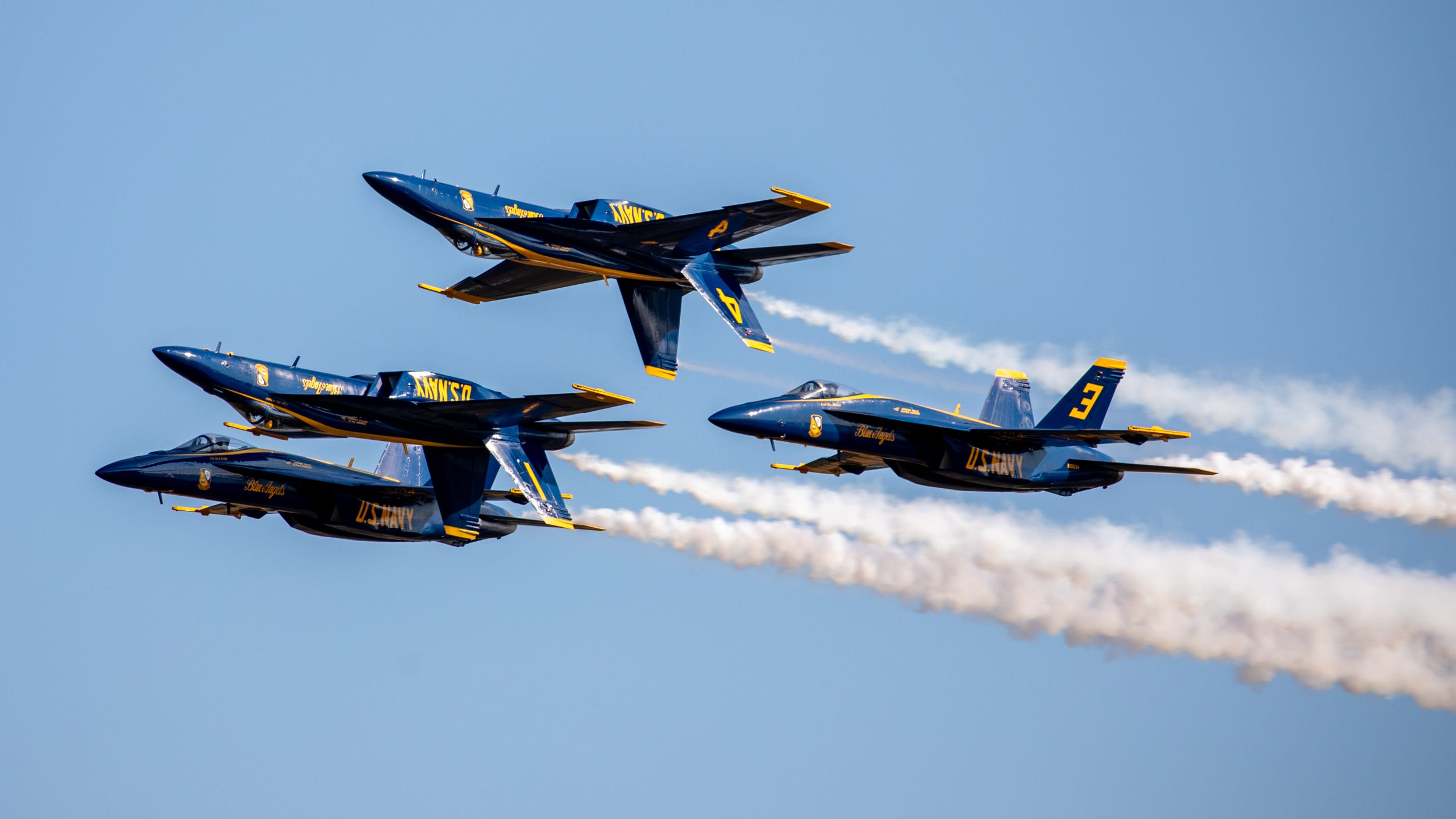
Feel free to use these photos however you like. If you choose to tag me, I am @pilotphotog on all social platforms. Thanks!
Post Flight Debrief
Like what you’re reading? Stay in the loop by signing up below—it’s quick, easy, and always free.
This newsletter will always be free for everyone, but if you want to go further, support the mission, and unlock bonus content like the Midweek Sortie, consider becoming a paid subscriber.
Your support keeps this flight crew flying—and I couldn’t do it without you.
– Tog