

The MQ-25 Stingray Demonstrator on the USS Nimitz and Looking Back at the Tondern Raid
From HMS Furious launching Camels at Tondern to MQ-25 testing aboard USS Nimitz, carrier aviation keeps reinventing how sea power reaches farther.
To honor the United States’ 250th anniversary, the MQ-25A T1 prototype is aboard the USS Nimitz, offering a glimpse of the Navy’s carrier air wing of the future. The special “Boeing Backs America” mark highlights our support for U.S. aviation.
—Boeing Defense
Mission Briefing
The Boeing MQ-25 Stingray T1, a bold new chapter in unmanned flight, landed right on the deck of the USS Nimitz during FLEETEX 250 out in the Atlantic. The Stingray’s silhouette cuts through the salty air, joining the carrier’s cast for a high-stakes rehearsal on the open sea.
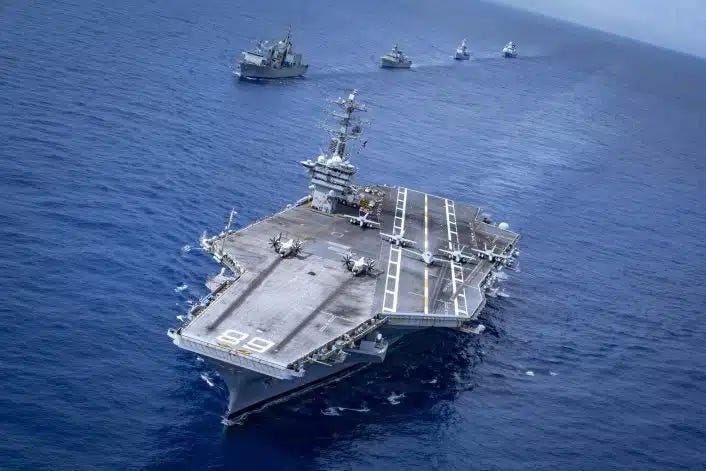
MQ-25 Stingray Embarks Aboard USS Nimitz
Against the steel-blue expanse of the Pacific, the mighty USS Nimitz welcomes an intriguing visitor. It is a slender, futuristic silhouette with a sharp nose and the kind of mystique only a pioneer carries.
This is the MQ-25 Stingray, the Navy’s new drone tanker, and today, under the golden haze of a Fleet Exercise, it’s more than just a machine: it’s a promise.
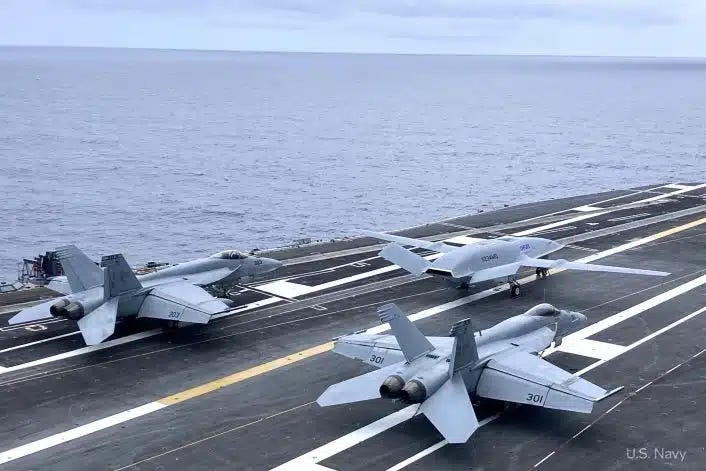
The Boeing-owned T1 demonstrator, first flown in 2019, has found its place among legends—lined up on deck beside four F/A-18E Super Hornets, engines silent but presence undeniable.
The setting isn’t just for show; FLEETEX 250 is a high-octane, multinational training event, gathering the finest aviators and ships from the U.S. Navy and thirteen allied nations. It’s about trust, tactics, and the kind of camaraderie you only get at sea.
For the MQ-25, this isn’t its maiden voyage aboard a carrier. Back in December 2021, it tangoed with the deck crew, proving it could glide and pivot across the Nimitz’s busy runway just like its piloted relatives.
But today, the Stingray dons a new look; sleek gray, no longer sporting the orange splashes of test flights. Fresh “250” markings gleam on its sides; a bold “Boeing Backs America” statement rides along the fuselage.
Did it refuel jets today? Hard to say. The Stingray’s signature Cobham ARS pod is missing, suggesting it’s here to make a statement, not a delivery. Boeing, ever the showman, shares the moment on social media: this is a tribute to the nation’s 250th anniversary and a preview of tomorrow’s carrier air wing.
Just weeks earlier, the production-model MQ-25 took its first flight. Now, with Low-Rate Initial Production green-lit, the future of naval aviation is taxiing down the runway, ready to write its own legend.
Inside the Stingray
Meet the Boeing MQ-25 Stingray, a sleek, unmanned marvel born from the Navy’s quest to give its carrier strike groups a serious boost. The story begins with the CBARS program, itself an evolution of the ambitious UCLASS initiative.
The Navy needed a drone that could fly off a carrier deck and refuel its airborne warriors in the thick of the action. That’s where the Stingray takes center stage: its prime mission is to deliver fuel in midair, stretching the legs and muscle of every jet in the carrier air wing.
In 2021, the MQ-25 T1 made history. A drone, bristling with promise, slides up behind a manned fighter and—using the same Cobham ARS pod you’d spot on an F/A-18—tops off its tank. It’s the first time a robot’s ever handed gas to a human pilot in the sky. That’s not just progress; that’s rewriting the playbook.
The Navy’s got big plans: 76 Stingrays are on the shopping list, including engineering models and test birds. The goal? To relieve the F/A-18E Super Hornets from their refueling duties so they can focus on what they do best, owning the skies. It’s a move that means more punch, more flexibility, and fewer Hornets flying tanker missions instead of combat sorties.
But the MQ-25 isn’t just about fuel. Once deployed, it’ll be the Navy’s first operational carrier-based drone, paving the way for unmanned-manned teamwork on deck. The Stingray’s secondary gigs include recovery tanking and organic ISR, eyes and ears for the carrier strike group.
The Fleet Replacement Squadron, VUQ-10, stood up in 2022 at NAS Patuxent River, Maryland, with two more squadrons, VUQ-11 and 12, on the horizon. Test flights are ramping up, and soon the Stingray will head to Pax River to prep for carrier qualifications; likely aboard USS Theodore Roosevelt by year’s end.
The future of carrier aviation? It’s already taxiing for takeoff.
Specifications:
Primary function: Aerial refueling
Contractor: Boeing
Propulsion: Rolls-Royce AE3700N
Length: 51.0 ft
Wingspan (wings spread): 75.0 feet
Wingspan (wings folded): 31.3 feet
Height (wings spread): 9.8 feet
Height (wings folded): 15.7 feet
Stingray on Deck: Extending the Reach of U.S. and Allied Carrier Airpower
The mighty USS Nimitz, engines humming beneath a golden Pacific sky, hosts a newcomer on its storied deck, the MQ-25 Stingray T1. This isn’t just another test flight; it’s the opening scene of a new chapter in naval aviation, where pilots and drones share the wind.
The Stingray, sleek as a sea bird, has already danced alongside the F/A-18 Super Hornet, F-35C Lightning II, and the ever-watchful E-2D Advanced Hawkeye. Proving it can refuel the legends of the fleet.
Deck crews, eyes sharp behind mirrored shades, have learned how to guide her among the chaos of jet blasts and whirring propellers, fitting her into the complex ballet that is life on the carrier.
For American commanders, the Stingray is a lifeline; a way to stretch the carrier air wing’s reach without burning out the pilots or their warbirds.
With the Stingray taking over tanker duties, more Super Hornets can stay sharp for the fight ahead, and the F-35Cs can slip farther into the horizon, past the reach of enemy eyes and missiles.
But this isn’t just an American story. Allies training with U.S. carriers now get a front-row seat to the future: manned jets and unmanned tankers flying as one, rehearsing tomorrow’s missions today.
The Stingray’s shadow on the Nimitz deck is only the beginning. The real adventure? Discovering what roles these robotic aviators will claim next, as the world’s flight decks grow ever bolder and a little less lonely.
This Week in Aviation History
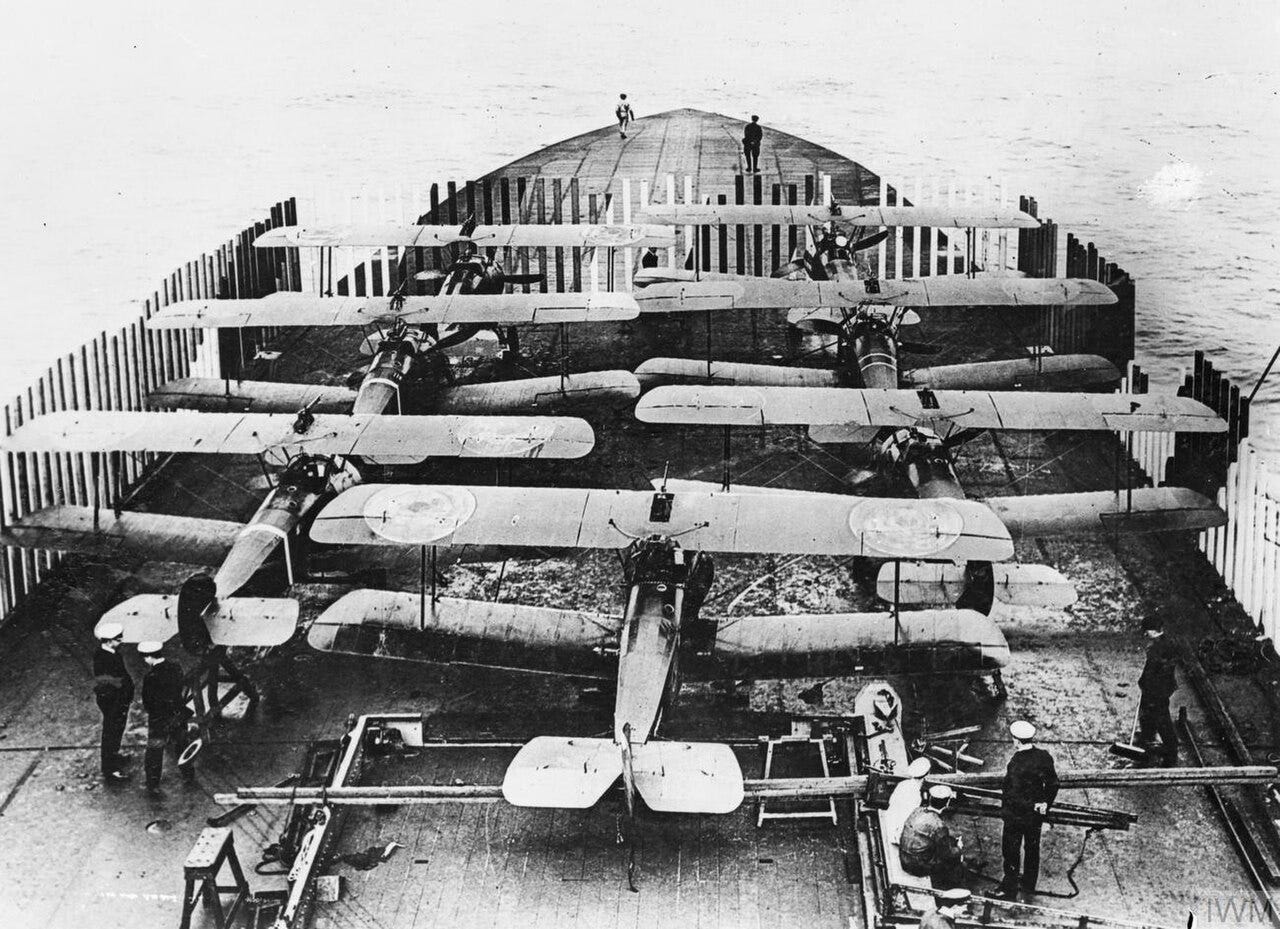
On 19 July 1918, the North Sea wind whipping over the deck of HMS Furious. Seven Sopwith Camels rumble down the world’s first carrier flight deck and leap into history, engines roaring—on a mission to bomb Germany’s airship base at Tondern. In a daring strike, they destroy two mighty Zeppelins and a captive balloon, marking the first time wheeled aircraft launched from a ship rewrote the rules of warfare.
The Tondern Raid: The Birth of Carrier Strike Aviation
Imagine the North Sea at first light, July 1918, the deck of HMS Furious alive with anticipation as seven Sopwith Camels prepare to leap into history.
This is the Tondern Raid, naval aviation’s bold coming-of-age story. Before this moment, warships ruled with big guns; aircraft at sea were mostly for scouting and the occasional seaplane stunt.
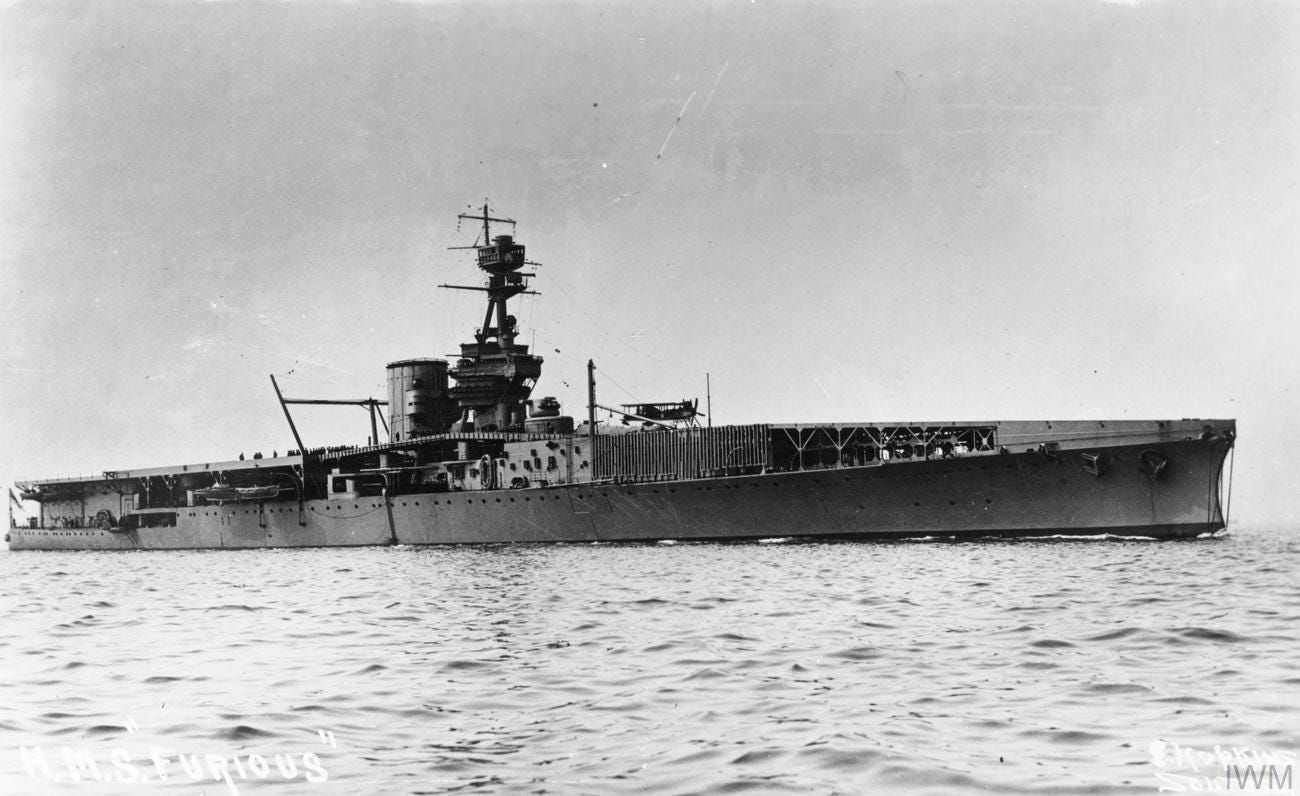
But the crew of Furious, once a battlecruiser wielding monstrous 18-inch guns, had refitted her for something new: a hangar and flying-off deck, turning steel and ingenuity into the world’s first real aircraft carrier.
Years of Royal Navy tinkering had led here. Pioneers like Squadron Commander Edwin Dunning risked it all—Dunning himself landed a Sopwith Pup on Furious in 1917, the first to ever do so on a moving ship.
He’d lose his life in a later attempt, but not before proving that decks could be runways and ships, floating airfields. Furious became a laboratory for this wild idea: that with the right machine and daring pilots, a navy could strike far beyond the range of its guns.
And so, on that fateful July morning, six Camels (after one had to turn back) roared off the deck, each lugging four 25-pound bombs. They found their target: the German airship base at Tondern. With surprise on their side, the pilots hammered Zeppelins L.54 and L.60 and torched a captive balloon, sending plumes of smoke skyward.
But victory came at a cost. Some aviators ditched in the sea, one drowned, others landed in Denmark and faced internment. Yet not a single Camel fell to enemy fire.
The Tondern Raid wasn’t just a one-off adventure; it was a proof-of-concept that changed the game. HMS Furious would go on shaping carrier tactics, and navies worldwide took note.
The real legacy? This raid proved that a ship could launch planes to strike targets well inland, rewriting the future of naval warfare. From that day on, it was clear. The carrier, not the battleship, would become the king of the seas.
Wings Over Tondern: Aviators’ Tale
Before the famous strike, there were two false starts for the aviators of HMS Furious. The first, Operation F5, was called off in late May. Furious had already slipped from port, but rumors of lurking U-boats sent her back.
The second, F6, launched in June 1918, but after battling fierce North Sea winds for two days, the weather forced the mission to fold.
Then came the third try—Operation F7. On 17 July 1918, Furious steamed out of Rosyth, surrounded by a steel phalanx of battleships and cruisers. The plan called for two flights of four, but crew changes meant one pilot short, leaving no time for last-minute stand-ins.
Bad weather held them back another day, but by the early hours of July 19, the deck was buzzing and, one by one, the Sopwith Camels wheeled into the dawn, the last lifting off by 03:21.
Flight 1, led by the cool-headed Lt. William Douglas Jackson, with Dickson and Williams in tow, reached Tondern at 04:35. Three airship sheds loomed in the morning haze. The biggest, packed with Zeppelins L54 and L60, erupted in fire as the bombs hit home. Dickson ditched his Camel in the sea, waiting for a rescue from HMS Violent. Jackson and Williams, low on luck and fuel, put down in Denmark, setting the stage for escapes and internments that would become legend.
Flight 2 thundered in next: Lt. Bernard Smart leading, with Thyne, Dawson, and Yeulett. Thyne ran into engine trouble and circled back for a safe pickup. The remaining trio pressed on, eyes fixed on the target, and at 04:45, they had the airship sheds in their sights.
Bernard Smart found himself stranded on the tail of his sinking Sopwith Camel, bobbing in fifteen-foot swells for a quarter of an hour before the sea finally claimed the plane and his lifebelt slipped away.
Exhausted and half-drowned from swallowing so much seawater, he could barely keep afloat. When rescue finally arrived, three sturdy sailors dragged him aboard “like a sack of flour,” as he later put it.
Dawson, meanwhile, was forced down in Denmark and, like Jackson and Williams, ended up interned—waiting out the war far from home. Yeulett wasn’t so lucky; he vanished into the North Sea, and only much later did the waves return his body and his battered aircraft to shore.
From Tondern to Tomorrow: The Raid That Taught Carriers to Reach Farther
The Tondern Raid was more than a dramatic blow to the German Zeppelin fleet. It marked a bold leap for naval airpower. On that July morning in 1918, Sopwith Camels thundered off the deck of HMS Furious, making history as the world’s first deck-launched airstrike.
In that moment, the warship evolved from a sea-bound lookout into a roaming airfield, able to strike targets far beyond the range of any gun. The immediate results may have seemed modest, but the implications were enormous: Zeppelins L.54 and L.60 went up in flames, proving that naval aircraft could hit enemy assets at their heart and inspiring new thinking about what ships and planes could do together.
Tondern didn’t instantly crown the aircraft carrier as king of the seas, but it cracked open the future. Suddenly, naval might was measured by how far your aircraft could fly, not just how big your guns were.
Over time, especially through the Second World War and beyond, carriers became the navy’s long arm, projecting power, settling crises, and keeping the peace around the globe. The U.S. Navy now calls the carrier a pillar of global presence and diplomacy.
That legacy isn’t anchored in the past. With the MQ-25 Stingray preparing to extend the reach of today’s carrier air wings, the lesson of Tondern still soars: naval aviation keeps advancing every time a carrier dares to reach farther.
In Case You Missed It
Photo Outlet
Every issue of Hangar Flying with Tog gets you a free image that I’ve taken at airshows:
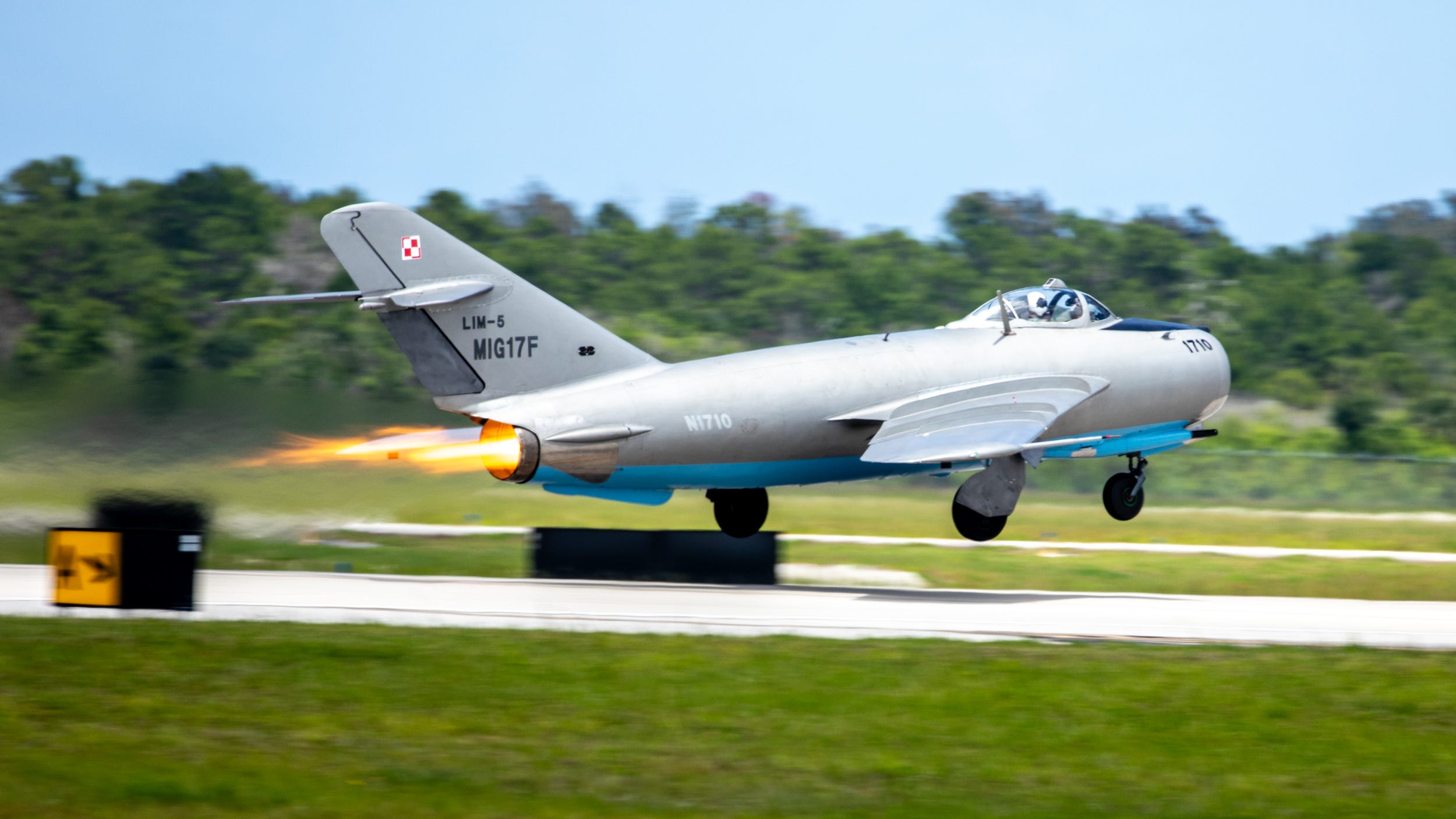
Feel free to use these photos however you like. If you choose to tag me, I am @pilotphotog on all social platforms. Thanks!
Post Flight Debrief
Like what you’re reading? Stay in the loop by signing up below—it’s quick, easy, and always free.
This newsletter will always be free for everyone, but if you want to go further, support the mission, and unlock bonus content like the Midweek Sortie, consider becoming a paid subscriber.
Your support keeps this flight crew flying—and I couldn’t do it without you.
– Tog