

“Hypersonic weapons will complicate adversaries’ decision calculus, strengthening deterrence.”
—Patrick Mason, senior official performing the duties of the Assistant Secretary of the Army for Acquisition, Logistics, and Technology
Mission Briefing
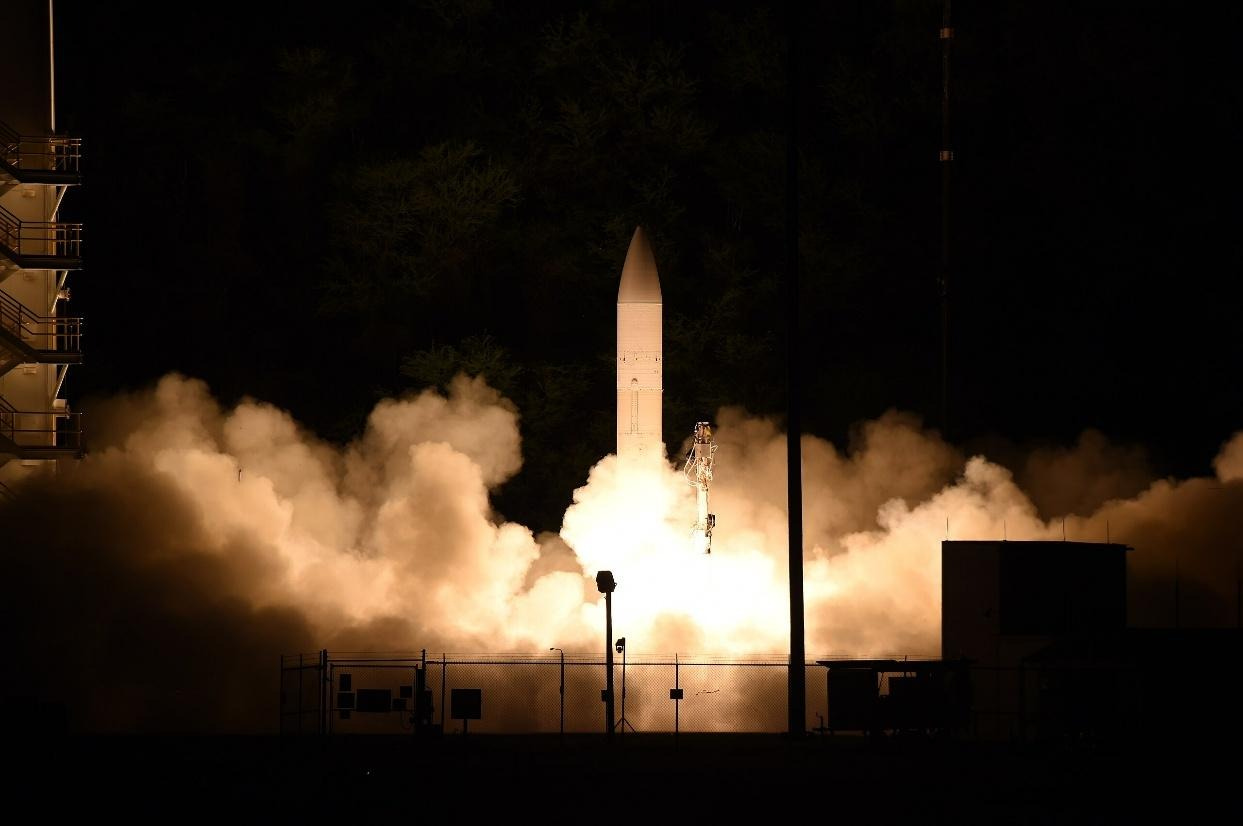
Out of the shadows and into the spotlight, the Dark Eagle—America’s Long Range Hypersonic Weapon—unfurls its wings as a ground-launched missile that streaks past Mach 5, twisting unpredictably through the upper air to hit deeply protected targets in record time. With astonishing speed, reach, and accuracy, it’s designed to shrink the enemy’s window to react, slipping past even the most sophisticated defenses before conventional forces are close. As the first operational American hypersonic weapon, Dark Eagle marks a bold new chapter in U.S. strike strategy and technological ambition.
The Quiet Revolution: Why Dark Eagle Matters Now
Over the past decade, the world’s airfields and laboratories have hummed with new ambition. For years, the United States watched from the control tower as rivals pushed the envelope in hypersonic flight.
Russia boasted about its Avangard and Kinzhal, while China didn’t just test the DF-17—they put it right into their arsenal. During that time, Washington leaned on its old reliable strengths: overwhelming force, steadfast deterrence, and the confidence that comes from being ahead.
But there came a realization, a moment every aviator knows well, that uneasy silence before you recognize you’re trailing behind. The Dark Eagle (Long Range Hypersonic Weapon or the LRHW) program was born from that very moment. This wasn’t about catching up for appearances. No, this was about plugging a real gap—a way to take out critical threats faster than any adversary could blink, let alone scatter their assets.
Unlike projects that exist just for the drawing board, Dark Eagle was conceived for the field. Its mission was clear: become operational, integrate seamlessly with ground forces, and do it all on a schedule measured in months, not decades. That’s why it stands today, poised to be America’s first hypersonic weapon ready for unit deployment.
Now, don’t picture an ordinary missile here. Dark Eagle is a boost-glide marvel. Picture a solid-fueled rocket hurling a sleek glider skyward. At altitude, the glider cuts loose, slipping into the upper atmosphere, not on a predictable ballistic arc, but on a ghostly, twisting path—over Mach 5, weaving and diving, always elusive.
That maneuverability? It’s the game-changer. Radars and defenses scramble, but the glider’s path defies prediction. The enemy barely has time to react; a few heartbeats, and the advantage belongs to the one who mastered the sky.
The Key Features of the Dark Eagle
One of the most hotly debated facets of Dark Eagle has always been its range. When word first started circulating, folks whispered about numbers north of 2,700 kilometers, roughly 1,700 miles, the kind of distance that harks back to the old arms control treaties that once set the boundaries for ground-launched missiles.
But as more details have come to light, it’s clear that Dark Eagle is living up to those early expectations, sometimes even surpassing them, depending on the mission it’s tasked to perform.
Now, what does that really mean? Imagine being able to launch a precision strike from deep within friendly territory—well behind the front lines—without forcing our crews out into the open.
That kind of reach isn’t just about hitting a distant mark; it’s about keeping our people safe while still holding vital targets at risk. In a European or Western Pacific deployment, we’re talking about covering critical real estate: air bases, command posts, radar arrays, missile batteries; anywhere an adversary would rather we didn’t touch.
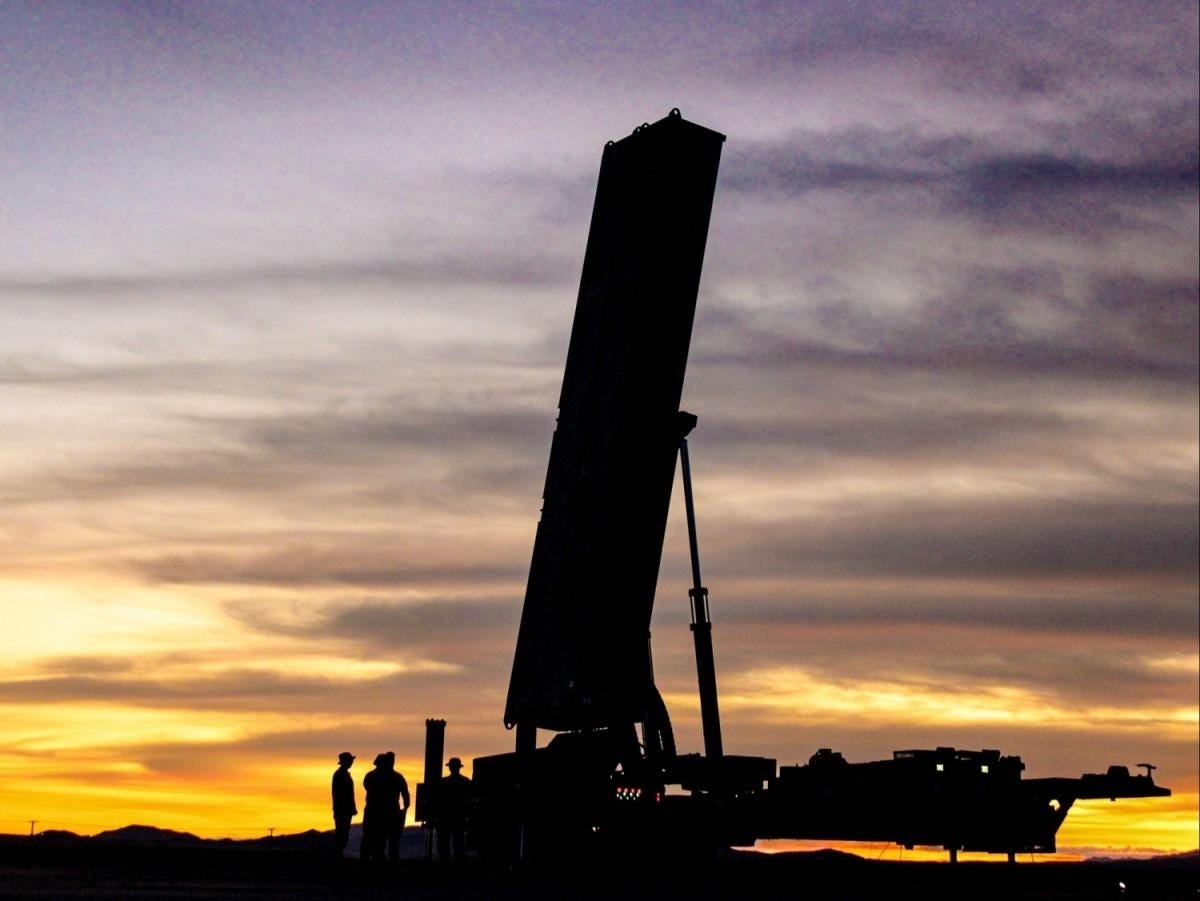
But let’s be crystal clear: Dark Eagle’s range isn’t about intercontinental nuclear posturing. This isn’t a weapon built to loom over the world as an ultimate threat. Instead, it’s tailored for high-value, conventional strikes; missions where speed and the element of surprise outweigh sheer explosive force.
Here’s a detail I find particularly fascinating, and one that’s surprised more than a few skeptics: the warhead riding atop that hypersonic glider is actually quite modest. That’s not an engineering limitation; it’s a deliberate choice.
At Mach 5 and beyond, speed itself becomes a weapon. A few hundred kilograms moving at over 6,000 kilometers per hour unleashes energy on par with a significant conventional payload, even before you count whatever else it’s carrying.
This small but mighty approach brings serious advantages. It helps avoid any confusion with nuclear launches, sharpens accuracy, and minimizes collateral damage. Perhaps most importantly, it signals to friend and foe alike that this is a weapon meant to be used, not merely paraded for show.
The heart of Dark Eagle’s mission is rapid, conventional strikes against the linchpins of an adversary’s military machine: command hubs, air defenses, strategic sensors. In the fog of modern warfare, these are the nerves and reflexes of any fighting force. Neutralize them quickly and throw the opposition into chaos before they can hide, move, or reinforce.
Unlike cruise missiles, which take their time and can be intercepted or fooled, Dark Eagle gives the enemy precious little warning. From launch to impact, there’s hardly enough time to react. That’s what makes it a true first-strike tool. One that changes the game, not by threatening annihilation, but by ensuring we can strike precisely, swiftly, and decisively.
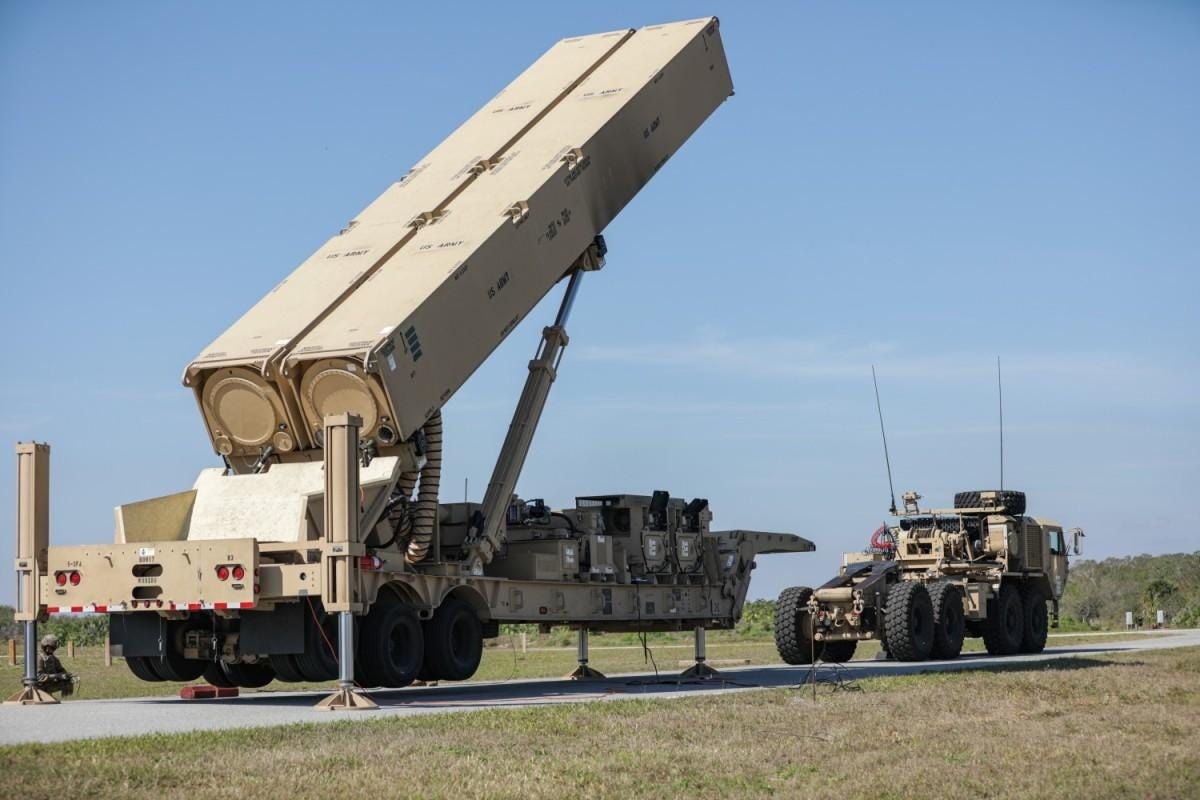
Strengthening U.S. Air Power, Forging Allied Unity
Dark Eagle marks a turning point in how America—and its allies—approach deterrence and battlefield advantage in this new era of global rivalry. With Dark Eagle in the arsenal, the United States closes a critical gap in hypersonic strike capabilities.
Its blistering speed and impressive reach mean we can threaten even the most fortified targets, deep behind enemy lines, without depending on contested airspace or forward airfields.
Suddenly, an adversary’s window to react shrinks to mere minutes, making their defenses and calculations a whole lot more complicated. It’s a powerful signal that the U.S. can answer threats swiftly, wherever they arise, and that our commitment in tense regions is more credible than ever.
For our allies, Dark Eagle is more than a weapon. It’s reassurance. Even if they never launch one themselves, its presence shores up the security umbrella, deterring aggression and signaling that America is not standing still in the race for advanced technology.
It also invites closer teamwork in everything from basing to missile defense, setting the stage for even tighter cooperation down the line.
Looking ahead, though, we’ll have to navigate questions about arms control, escalation risks, and how best to weave hypersonic strike into a changing global security fabric.
This Week in Aviation History
December 1942: The Maiden Flight of the P-63 Kingcobra
It was a brisk December in 1942 when the Bell P-63 Kingcobra first broke free from the runway, its bold silhouette and roaring engine capturing the restless spirit of a world deep in conflict. As the aircraft soared upward, that maiden flight quietly signaled a pivotal leap forward—an ambitious bid to outpace the relentless evolution of air combat.
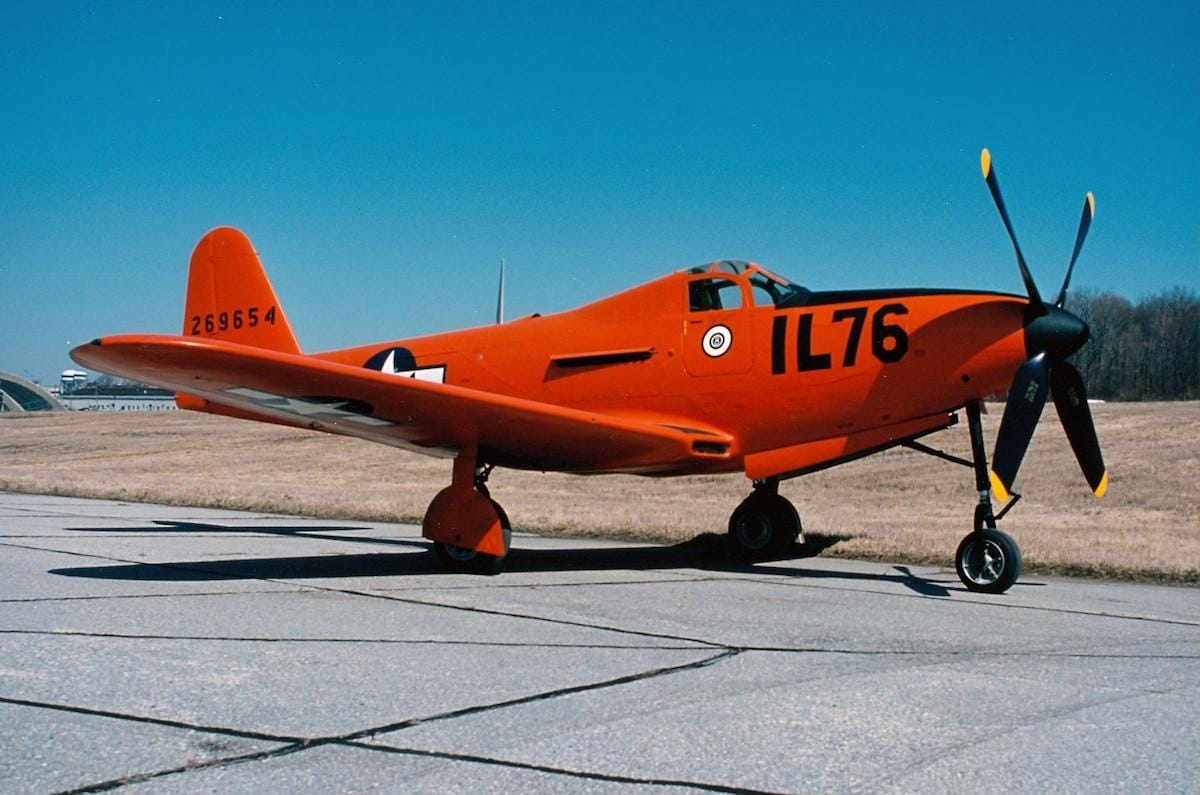
Let me take you back to Buffalo, New York, where the Bell Aircraft Company was hard at work during the war years, forging the next leap in fighter design. Born out of lessons learned from the P-39 Airacobra, the P-63 Kingcobra took shape not just on the drafting table, but through the lived experience and feedback of pilots who’d flown—and sometimes fought for their lives—in its predecessor.
Bell listened, refined the design, and delivered a machine that was faster, tougher, and more responsive, a true step forward in the world of single-engine fighters.
Now, while the Kingcobra’s silhouette was as striking as any to grace the ramp, its journey took an unexpected turn. The United States Army Air Forces, always in pursuit of the next game-changer, compared the P-63 to the legendary P-51 Mustang and found it wanting.
As a result, the Kingcobra never saw combat in American colors. But fate had other plans. Across the ocean, the Soviet Air Force was hungry for capable fighters, and through the Lend-Lease Act, fleets of P-63s were shipped east, bound for the vast and unforgiving skies of the Eastern Front.
The Soviets, already seasoned with the P-39, took quickly to the Kingcobra. They adapted its strengths to their tactics, and before long, the P-63 was chalking up victories against the Luftwaffe, carving out a reputation all its own.
While a handful of Kingcobras entered U.S. service, none would taste combat under the Stars and Stripes. Yet the story didn’t end with the war. P-63s later flew with the French in Vietnam and even found a home in the Honduran Air Force, proving their mettle in the hands of those who needed them most.
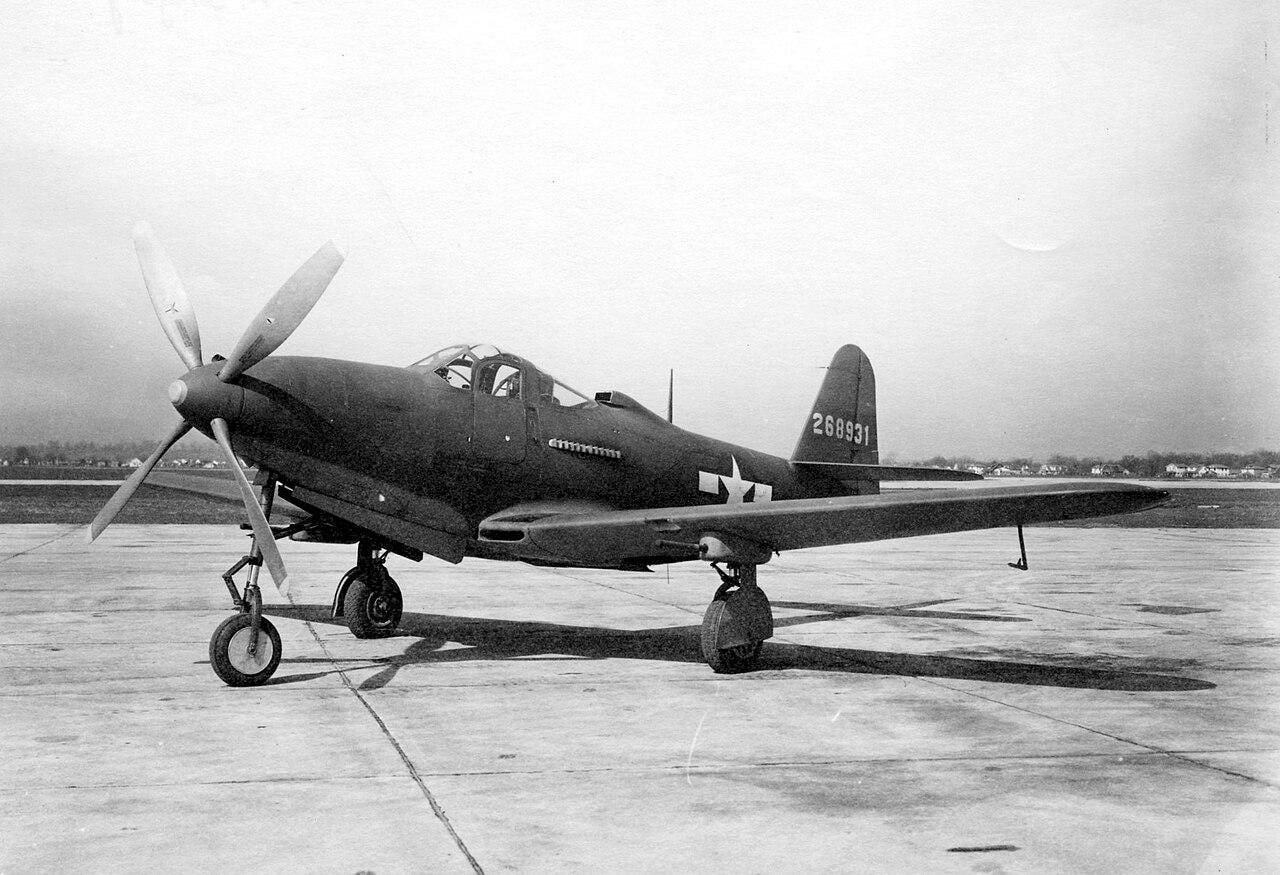
Kingcobra Under the Hood
Let me give you a pilot’s rundown of the Kingcobra’s specs. The kind of details you’d swap over a mug of coffee in the ready room. Under the nose, she packed a punch: a 37mm cannon straight through the propeller hub, backed up by four .50-caliber machine guns—unless you happened to be flying one of those “pinball” target drones, which went unarmed.
Up front, the Allison V-1710 engine churned out 1,325 horsepower, propelling the Kingcobra to a top speed of 408 miles per hour, with a comfortable cruise at 280. She could stretch her legs for about 450 miles before needing to refuel, and if you wanted to see the world from above, she’d take you all the way up to 43,000 feet.
With a wingspan just over 38 feet, a length of nearly 33 feet, and standing a proud 12 feet, 7 inches tall, the Kingcobra tipped the scales at 9,350 pounds fully loaded. The old girl we’re talking about here carried the serial number 43-11728—a machine with numbers as bold as her bite.
Kingcobra’s Enduring Contrail
When you talk about the Bell P-63 Kingcobra, you’re not spinning a tale of headline glory, but rather one of quiet purpose and adaptation forged in the crucible of war. The Kingcobra never claimed the spotlight in American service, but it was Bell’s earnest answer to the P-39’s shortcomings; streamlining the airframe, boosting power, and giving it teeth with heavier firepower.
This bird wasn’t just about making a better fighter for a moment of crisis; machines like the P-63 quietly paved the way for safer, faster, higher flight in the years to come, their lessons woven into the DNA of every new aircraft.
But perhaps the real story played out far from American skies. Sent east in droves, the P-63 found its true calling with Soviet pilots on the Eastern Front, where its sturdy build, reliable handling, and punchy armament made a real difference in the thick of low- and mid-altitude dogfights. It became a workhorse, trusted and valued, even if its story remained unsung in the West.
In the end, the Kingcobra stands as a bridge between eras, marking the last great gasp of the piston-engine fighter before jets took over. Its legacy isn’t written in fame, but in function, alliance, and the sometimes-unseen gears of progress.
In Case You Missed It
The Navy (almost) had a version of the Nighthawk:
Photo Outlet
Every issue of Hangar Flying with Tog gets you a free image that I’ve taken at airshows:
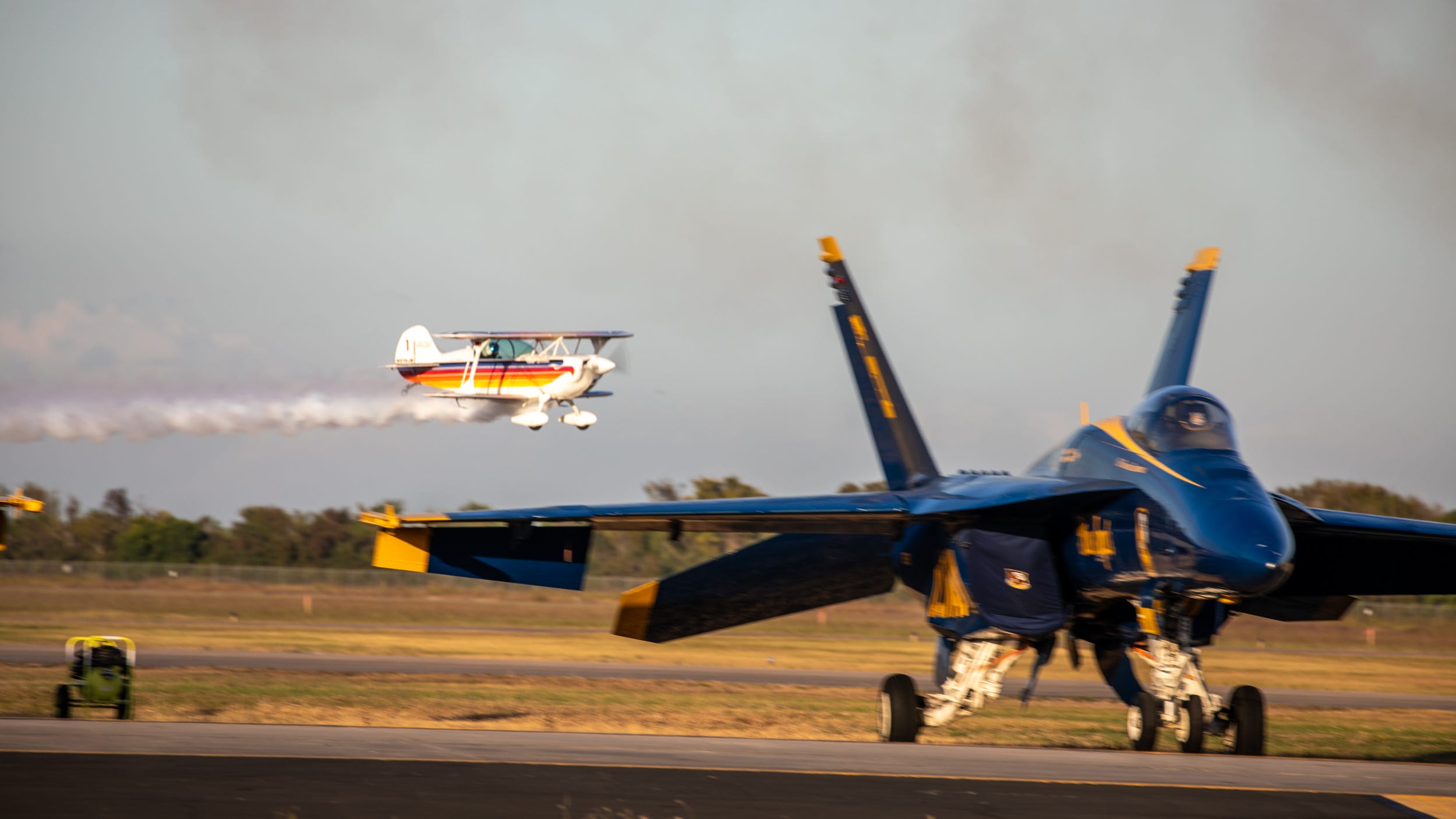
Feel free to use these photos however you like, if you choose to tag me, I am @pilotphotog on all social platforms. Thanks!
Post Flight Debrief
Like what you’re reading? Stay in the loop by signing up below—it’s quick, easy, and always free.
This newsletter will always be free for everyone, but if you want to go further, support the mission, and unlock bonus content like the Midweek Sortie, consider becoming a paid subscriber.
Your support keeps this flight crew flying—and I couldn’t do it without you.
– Tog