

Poland’s Italian-Built F-35 Makes Its First Flight and Look Back at Panavia Tornado’s Maiden Flight
From Tornado to Husarz, NATO aviation has evolved from a European-designed Cold War striker to a fifth-generation fighter assembled across allied borders for Poland’s future airpower needs.
“This is a great day for Poland, for the Polish Armed Forces, for the Air Force.”
—Deputy Prime Minister Wladyslaw Kosiniak-Kamysz
Mission Briefing
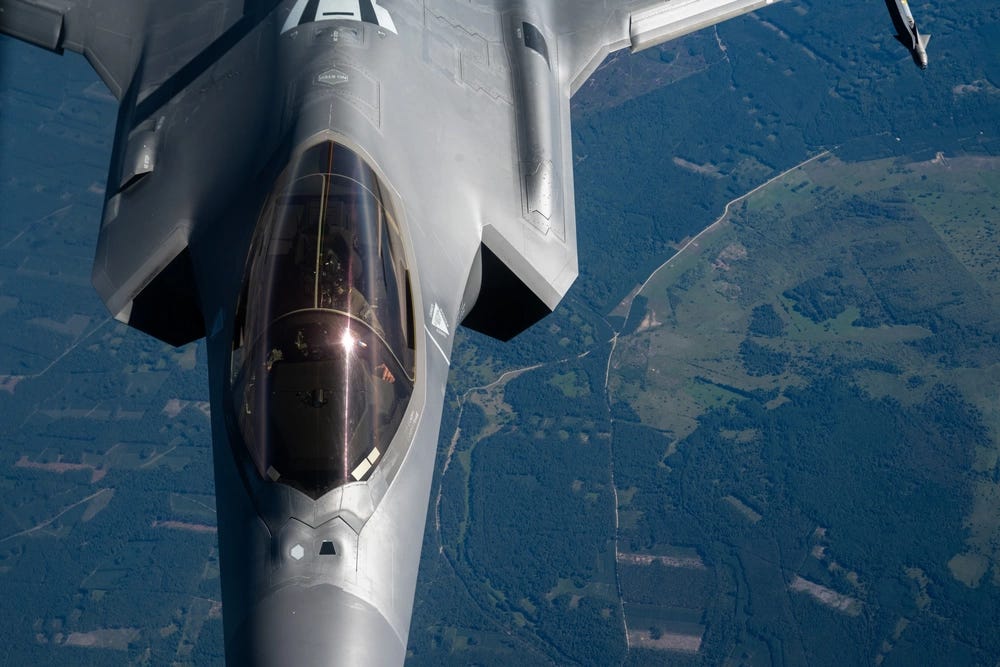
Over the Italian skyline, the very first Polish F-35 assembled at Cameri’s legendary Final Assembly Check Out facility took to the air for its maiden test flight—its engines humming with the promise of new chapters in aviation history.
Husarz Takes Wing
The first ever Polish Air Force F-35A Husarz—Poland’s own knight, reborn as a fifth-gen stealth fighter—roaring into life on Italian soil and slicing through the clouds on its maiden functional test flight. This isn’t just another jet off the assembly line; this is a cinematic moment, a coming-of-age montage for Poland’s new era of airpower.
Flashback to 22 May 2026. Łask Airbase, Central Poland. The echoes of F-35s—fresh from Lockheed Martin’s Fort Worth forge; touch down, their wheels kissing Polish earth for the first time.
But the story doesn’t pause there. Far to the southwest, at Cameri, Italy, a place where steel meets sky, one of only two Final Assembly Check Out facilities outside America (the other’s in Japan) is busy with a different kind of magic. Here, the second batch of Polish F-35s is taking shape, half the order being American-born, the other half Italian-crafted.
Cut to a lens flare and the snap of a shutter: aviation photographer Diego Mor catches a shot of the proud bird as it returns from its inaugural flight, tail number “3517” gleaming—a badge marking it as the vanguard of its batch.
Now, rewind: September 11, 2019. The ink dries on a $6.5 billion deal as the U.S. green-lights the sale of 32 F-35A CTOLs to Poland, meant to retire the old Soviet MiGs and Su-22s.
Fast-forward to January 2020, and the contract’s signed, with delivery initially pegged for 2024. Poland isn’t just buying jets; it’s loading up with AIM-120C-8 AMRAAMs, a formidable arsenal of JASSM-ER cruise missiles, Sidewinders, and AARGM-ERs; future-proofing its wings for whatever tomorrow brings.
By 2021, the plan crystallizes: all 32 Husarzes will call Łask home, with Świdwin later joining the story to share the load. 28 August 2024; cue the spotlights and speeches at Lockheed’s Fort Worth hangar as AZ-01 is unveiled. But it’s AZ-02 who first tastes the sky, test-flying on December 2, 2024.
Training begins across the Atlantic in Arkansas, at Ebbing Air National Guard Base, turning Polish pilots into stealth aces. By 2026, the Husarz begins its watch over Polish skies, with the full fleet due by 2030.
And the checkerboard? That iconic white-and-red badge is now a ghostly, low-vis echo on the F-35’s skin—a subtle nod to tradition, camouflaged for a new age. The legend evolves, but the spirit stays aloft.
Cameri Airpower Forge: The European Hub Building NATO’s F-35 Fleet
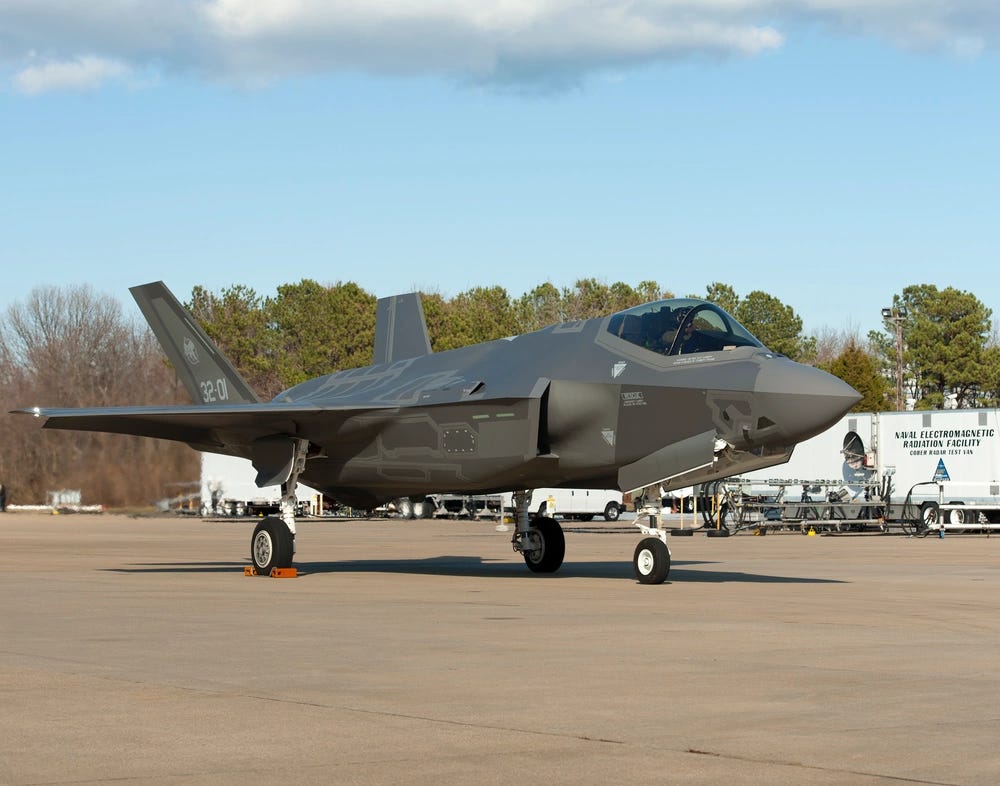
Step onto the sun-baked tarmac of Cameri, Italy, and you’ll find a sprawling 101-acre facility; the beating heart of Italian aviation ambition. This isn’t just any factory; it’s the Italian FACO (Final Assembly and Check Out), a cinematic expanse of 22 buildings and over a million square feet of covered workspace.
Inside, 11 assembly stations and five bays for maintenance, repair, overhaul, and upgrades buzz with the energy of 800 highly skilled technicians. Owned by the Italian Ministry of Defense and steered by Leonardo in partnership with Lockheed Martin, this is where the future of European airpower takes shape.
Here, full assembly of both F-35A and F-35B variants happens side by side. Cameri doesn’t just build jets for Italy; it cranks out 835 full wing sets for customers around the globe. It’s also got the only F-35B production line outside the U.S. and serves as the European hub for F-35 maintenance and upgrades.
March 2025 brought a first: a U.S. Air Force F-35A from the 495th “Valkyries” squadron rolled into Cameri for depot maintenance; the debut of American stealth getting serviced on European soil.
European buyers, with a nod from Washington, can now opt to have their F-35s built right here. U.S. Air Force officers are on the ground, ensuring every jet meets the same gold standard as those from Fort Worth.
Production scale sets Cameri apart (about 15 jets a year compared to Fort Worth’s 130) but here’s the hook: Cameri can deliver initial aircraft faster, sidestepping Fort Worth’s current TR-3 upgrade delays. Right now, Cameri rolls out TR-2 models, ready for future upgrades, and Poland is watching closely, keen on the Italian advantage.
Building NATO Airpower Beyond American Shores
A sleek, state-of-the-art F-35A, freshly painted in Polish colors, rockets off the runway at Italy’s Cameri airfield. This isn’t just a delivery. It’s a fascinating debut for Poland’s future Husarz fleet, and a testament to how the world’s most advanced fighter jet can be born far from American soil and still perform with Hollywood-worthy precision.
For the U.S., Cameri is more than a backup; it’s an ace up the sleeve. Operated by Leonardo, with Lockheed Martin’s expertise woven in, this Italian powerhouse cranks out F-35As and Bs, crafts flawless wing sets, and keeps Europe’s jets battle-ready. If Atlantic supply lines ever hit turbulence, Cameri stands ready as Europe’s own pit stop; already wrenching on U.S. Air Force F-35s stationed nearby.
For NATO, Poland’s new bird is a handshake in the sky; a flying signal that old MiGs and Su-22s are giving way to a fifth-gen family. Shared jets, training, and tools mean faster team-ups and a sharper edge along NATO’s eastern border. And with Italy building for Poland, it’s not just about buying hardware; it’s about allies boosting each other’s firepower.
Sure, the software and engines still come from across the Atlantic. But as Poland’s F-35s roll off the line, Cameri’s role as NATO’s go-to fix-it shop is only getting started. The next act? Whatever the alliance needs, whenever the call comes.
This Week in Aviation History
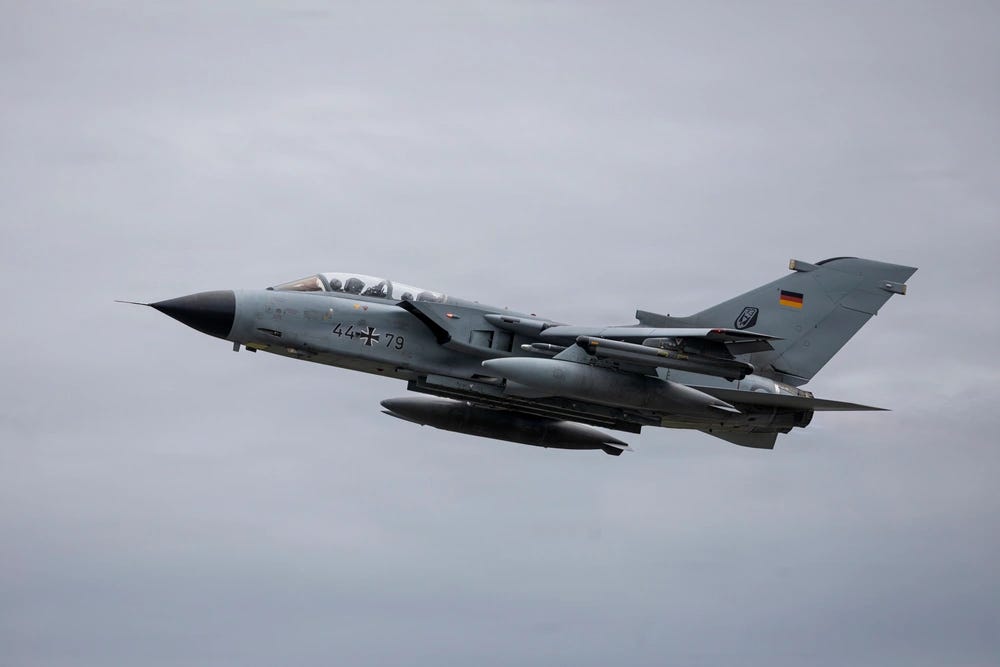
It is 17 August 1974, over the airfields of Manching, West Germany, the Panavia Tornado prototype P.01 leaps into the sky for its maiden voyage. It’s the kind of moment aviators dream about: a multinational strike bird roaring into history, cameras rolling in the mind’s eye as a new chapter in aerial adventure begins.
The First Flight of the Panavia Tornado
Strap in and let’s take to the skies because the tale of the Panavia Tornado isn’t just engineering, it’s pure aviation adventure, written across European airspace.
It’s the late 1960s, Cold War winds are howling, and the old continent is looking for a champion, something that can slice through clouds and break the rules of the old world order.
That’s when three nations, each with their own aviation swagger, decide to join forces. Britain’s BAC, West Germany’s MBB, and Italy’s Aeritalia form Panavia Aircraft GmbH in ’69, a cockpit coalition with one mission: build a plane that could do it all.
The brief? No small feat. They wanted a jack-of-all-trades warbird that could hug the earth on bombing runs, duel in the skies, snoop for secrets, and strike at sea. The answer?
The Tornado—a twin-engine beast with wings that sweep back and forth like a falcon’s, built for breakneck sprints and slow, steady prowling alike. That swing-wing design? It wasn’t just eye-catching, it meant the Tornado could morph mid-flight, adapting to whatever the mission (or the weather) threw at it. One moment, it’s hugging valleys at supersonic speed; the next, it’s circling low and tight for a landing on a rain-slick runway.
The journey from blueprint to runway wasn’t smooth. Test pilots and engineers sweated through endless prototypes, adjusting, tweaking, and pushing limits. The maiden flight felt more like a movie premiere than a test run.
That first Tornado, tail number P.01, soared above the clouds and straight into aviation legend, kicking off years of relentless trials. Each prototype was a lesson learned, a step closer to the ultimate multi-role jet.
By the early 1980s, the Tornado was rolling out to airbases across the UK, Germany, and Italy. But this was no one-size-fits-all flyer. The Tornado family split into three: the IDS (Interdictor/Strike), the ADV (Air Defence Variant), and the ECR (Electronic Combat/Reconnaissance).
The IDS was the fleet’s workhorse, designed for low-altitude strike missions with a cockpit brimming with high-tech gadgets and a payload that packed everything from laser-guided bombs to nuclear weapons.
The ADV, stretched and souped-up, stood guard as an interceptor, chasing threats with radar sharp enough to spot trouble before it arrived. And the ECR? That’s your electronic ghost, slipping behind enemy lines with sensors and jammers, hunting radar sites and keeping the fleet safe.
The Tornado wasn’t just a plane; it was a statement. Proof that when Europe put its heads (and wings) together, it could make an icon. And for aviators in flight suits, it was a ticket to the front row of aerial history.
Steel Wings, Desert Dawn: The Tornado Saga
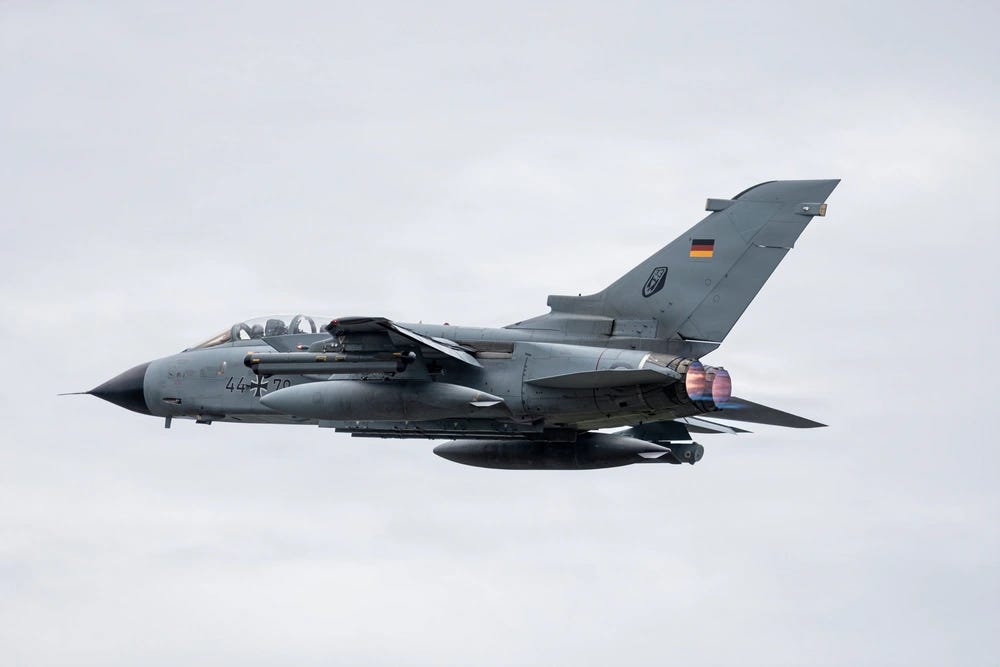
The Panavia Tornado is a rugged bird of steel and spirit, roaring across the skies at the break of the ‘90s. During the Gulf War in 1991, Coalition forces gather like a mighty flock, and there, slicing through desert dawn, fly the Tornado squadrons from Britain, Germany, and Italy.
These aviators, part daredevil, part tactician, hug the earth on low-level bombing runs, slipping past radars to hammer enemy airfields, bridges, and bunkers. Meanwhile, the air defense crews prowl the upper currents, eyes sharp for threats, keeping their wingmen safe. The Tornado’s toughness and adaptability shine under the harshest spotlight, earning respect in every after-action debrief.
But the Tornado’s story doesn’t end in the desert haze. Through the turbulent ‘90s, it’s back in the cockpit—this time over the fractured skies of the Balkans.
Mission after mission, the jet proves its mettle, switching between striking targets and snapping reconnaissance photos, helping NATO keep the peace in a region desperate for stability. Its versatility, able to load up with all manner of smart weapons, makes the Tornado a commander’s go-to ace.
Back home, engineers work their magic, always looking to sharpen the Tornado’s claws. Avionics, targeting pods, navigation; they’re constantly being tweaked and tuned, culminating in upgrades like the RAF’s GR4, which lets the old warbird punch far above its weight.
But all legends must eventually glide into the sunset. As stealthier jets like the Eurofighter Typhoon take the stage, the Tornado bows out—RAF’s last flight in 2019. Yet its legacy lingers, a testament to international teamwork and aviation daring, echoing in hangars, museums, and the tales of those who flew her.
Storm Across the Alliance: The Enduring Legacy of the Panavia Tornado
Picture the late 1960s: clouds streaking by, three nations—Britain, West Germany, and Italy—shake hands on a daring wager. They’ll pool their wits, wallets, and workshops to birth a single aircraft that can do it all: the Panavia Tornado. Prototype P.01 leaps into the sky, the first chapter of a saga where borders blur and engineering ambitions soar.
Tornado’s silhouette is unmistakable; those sweeping wings, the nose bristling with radar, RB199 engines growling for low-level dashes in all weather.
Back then, pilots drilled for Cold War apocalypse: skimming treetops, ducking enemy radars, ready to punch through defenses and deliver their payload, nuclear or otherwise. The ADV variant patrolled the heavens; the ECR, ever the hunter, stalked enemy radars.
But war rewrites scripts. Gulf War, 1991: RAF Tornado crews thunder in low, gambling with danger over Iraqi airstrips. Lessons came hard; altitude brings safety, and precision is king.
Upgrades followed: smarter bombs, better eyes, sharper brains in the cockpit. Soon, Tornados were punching above their weight over the Balkans, Afghanistan, Iraq, Libya, while German ECRs added a new note to the Luftwaffe’s postwar symphony: electronic warfare.
Yet Tornado’s true legacy? Not just in metal and code, but in teamwork. Shared assembly lines, mixed crews, unified logistics—the blueprint for Europe’s future fighters. The Tornado proved it: adaptable jets are vital, but it’s the spirit of partnership that lets them fly into tomorrow.
In Case You Missed It
Photo Outlet
Every issue of Hangar Flying with Tog gets you a free image that I’ve taken at airshows:
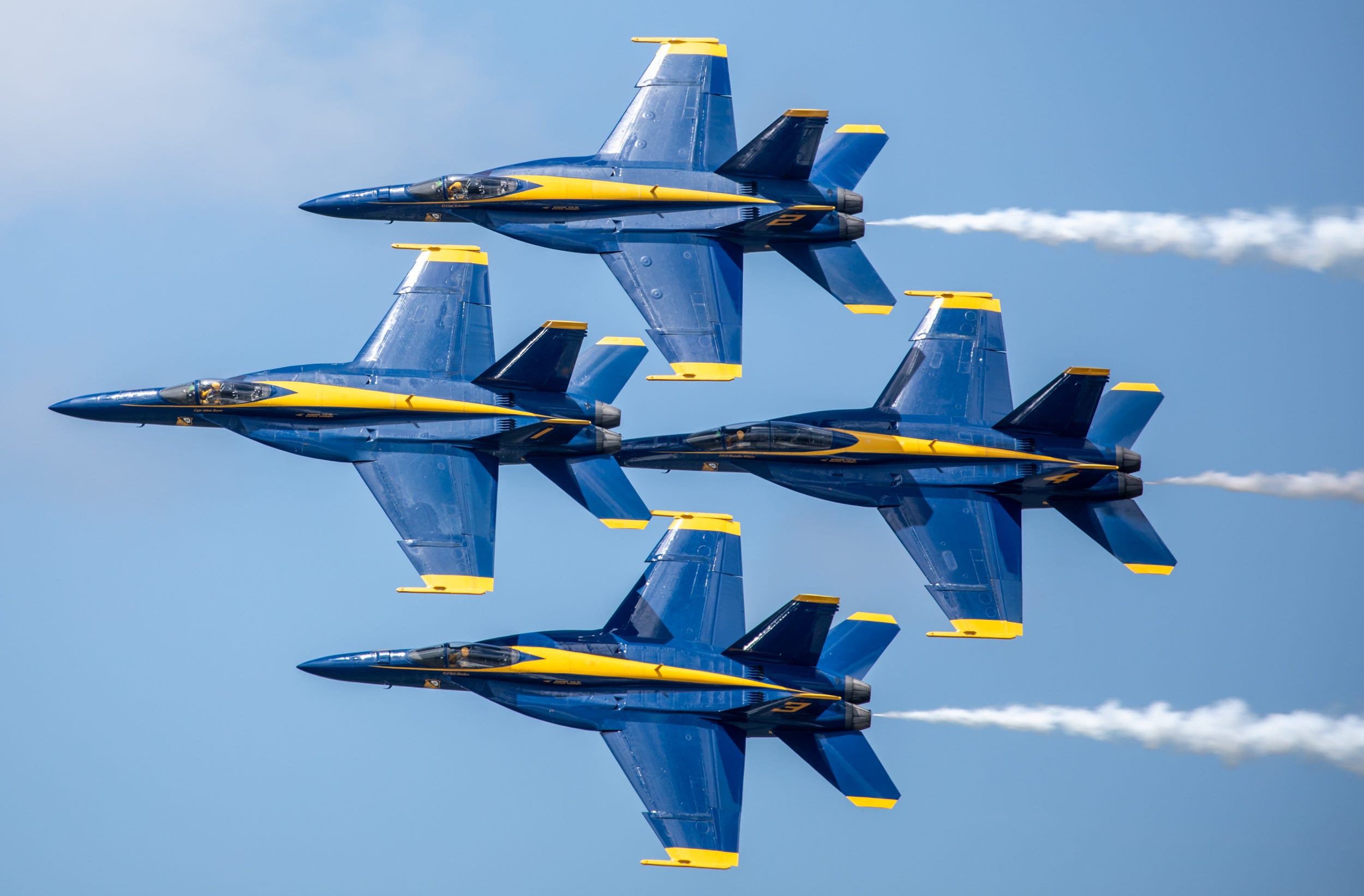
Feel free to use these photos however you like. If you choose to tag me, I am @pilotphotog on all social platforms. Thanks!
Post Flight Debrief
Like what you’re reading? Stay in the loop by signing up below—it’s quick, easy, and always free.
This newsletter will always be free for everyone, but if you want to go further, support the mission, and unlock bonus content like the Midweek Sortie, consider becoming a paid subscriber.
Your support keeps this flight crew flying—and I couldn’t do it without you.
– Tog