

New Photos Expose a Stealth Bomber’s Silent Airbrakes and remembering the First USAF Reconnaissance Mission of the Korean War
From Korea’s improvised airpower to the B-21’s deliberate design, America’s lesson is clear: tomorrow’s crisis must be answered long before the first alarm sounds across contested skies again.
“The Raider was not on tracker, however its orbit seemed to intersect with the other three planes perpendicular to theirs. They all broke orbit when the Raider called into the Edwards Tower to land.”
—Fred Taleghani, Aviation Photographer
Mission Briefing
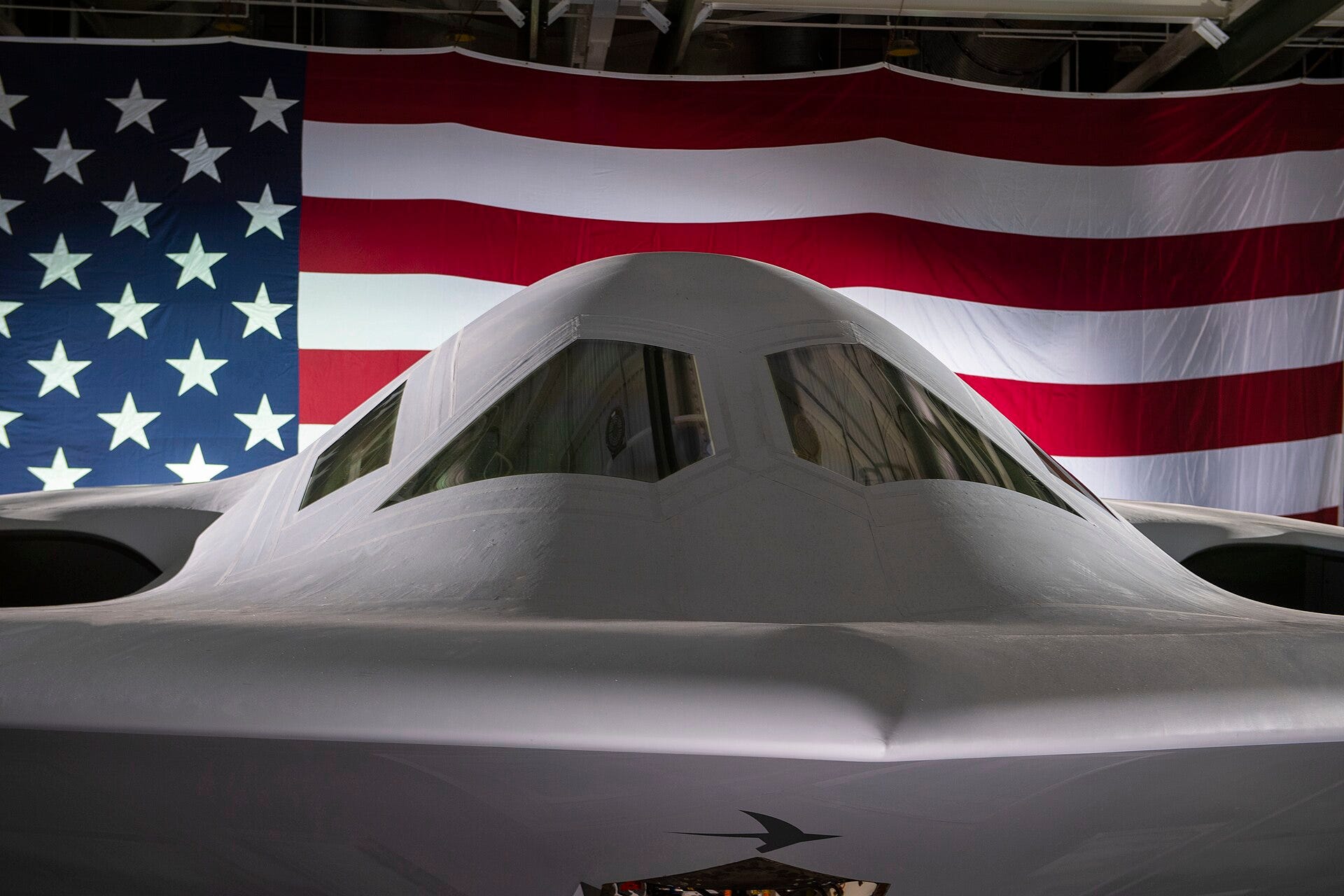
The photos reveal something interesting: the B-21 Raider’s outboard trailing-edge control surfaces are angled in opposite directions. It’s a telltale sign that this bird handles speed brakes and drag in a way that’s a far cry from the B-2’s classic split rudder setup. Looks like the Raider is rewriting the playbook on stealthy aerodynamics.
The B-21 Raider’s New Flight-Test Clues
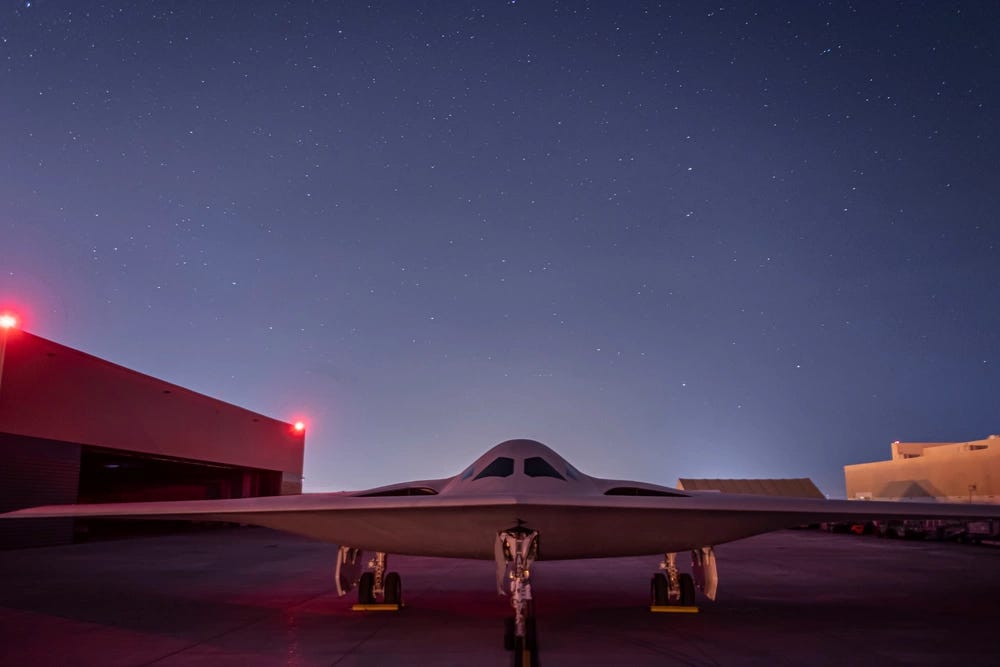
On 03, June 2026, the desert air in Edwards Air Base vibrates with anticipation. Out on the shimmering tarmac, something extraordinary is about to take flight, a shadowy shape, cloaked in secrecy and promise.
The first prototype of the Northrop Grumman B-21 Raider—call sign RAIDER17—rolls onto the runway, engines humming with the promise of a new era.
Above, two KC-46 tankers, ARRIS in the sky, are carving their steady ovals, the classic tanker racetrack. Not far off, the Scaled Composites Hawker 4000, callsign SCAT21, circles like a curious hawk, all eyes on the main act.
On the internet, enthusiasts track the tankers and SCAT via ADSBExchange, but the Raider remains invisible, a ghost in the sky. Yet from the ground, its silhouette is unmistakable, slicing through the California blue.
Photographer Fred Taleghani is there, lens trained and ready, hunting for a glimpse of “Cerberus”—the B-21’s test article 0001. He watches as RAIDER17 crosses paths with her airborne companions, orbiting perpendicular, choreography unseen by digital trackers.
All eyes are skyward when the Raider checks in with Edwards Tower, breaking formation and gliding home. As she descends, Taleghani captures rare images of her landing gear and, more intriguingly, the secretive control surfaces splaying—acting as elegant speed brakes.
This isn’t the Raider’s first rodeo. Back on March 10, she danced with a tanker over eastern California, a five-and-a-half-hour ballet witnessed by a lucky few and immortalized in breathtaking photographs.
By April, the Air Force officially acknowledged what those in the know had already seen: the B-21 refueled in midair from a KC-135, pushing her test program further into the future.
Unlike her older cousin, the B-2, the B-21 sports a new array of outboard trailing-edge control surfaces. Taleghani’s images reveal the outermost surface tipped up, the next one down. It is a telltale sign of advanced, differential flight controls, more sophisticated than the B-2’s split drag-rudders.
The Raider keeps her secrets close, but these photos dispel the myth that she’s just a B-2 in new paint. She’s something new, a legend in the making, rewriting the script of stealth, high above the Mojave.
Recent Updates about B-21 and Her Specs
Strap in, because the B-21 Raider’s story is picking up speed. The U.S. Air Force and Northrop Grumman are fast-tracking the production lines, aiming to get these next-gen stealth bombers out the door and into the skies sooner rather than later.
The plan? Land the very first operational B-21 at Ellsworth Air Force Base, South Dakota, next year, making Ellsworth the epicenter of this new chapter in aviation.
The Air Force and Northrop Grumman have already inked a deal to ramp up manufacturing and accelerate deliveries. Construction at Ellsworth is in full swing, with new infrastructure rising to meet the Raider’s cutting-edge needs.
The runway even got a makeover, forcing the resident B-1B Lancers to temporarily call Grand Forks AFB home while the dust settled.
Meanwhile, out in Palmdale, California, Northrop Grumman’s legendary facility is buzzing with activity. The same plant that birthed the B-2 Spirit is now assembling an undisclosed number of Raiders.
In September 2025, the second B-21 prototype made its way, right on schedule, to Edwards Air Force Base. This one showed up without the telltale air data probe and trailing cone, signs that the program is quickly moving from testing to the dawn of operational stealth.
Let us check under the hood of this bomber
Primary Function: Nuclear-capable, penetrating strike stealth bomber
Lead Command: Air Force Global Strike Command
Inventory: Minimum of 100 aircraft
Average Unit Procurement Cost (APUC): $550 million (base year 2010 dollars) / $639 million (base year 2019 dollars) / $692 million (base year 2022 dollars)
*APUC is the total costs of all procurement funding to include, aircraft flyaway costs, support equipment, training, spares, and engineering change orders divided by a minimum of 100 aircraft.
*Former Secretary of Defense Robert Gates directed B-21 Average Procurement Unit Cost as a key performance parameter as the best means to control costs.
Munitions: Nuclear and conventional
Operational: Mid-2020s
Shadow Over the Horizon: The B-21’s Role in Allied Defense
The B-21 Raider isn’t just another sleek silhouette slicing through the sky. It’s the next act in America’s airborne saga. This isn’t about simply replacing tired old bombers; the Raider is the future backbone of long-range airpower, designed to do more than drop ordnance. It’s a statement: “We can reach you, wherever you hide, and you’ll never see us coming.”
As adversaries build thicker air defenses and string together high-tech sensor webs, the B-21 gives Washington a way to keep its finger on any pressure point, no matter how contested the airspace.
Credibility is everything. Deterrence only works if the other side believes you can actually show up, survive the gauntlet, and deliver a response that matters. The Raider is built for that very promise, capable of carrying both conventional and nuclear payloads, offering American policymakers a full menu of options when tensions rise.
For allies, this is more than reassurance. It’s a lifeline. A stealthy bomber that can slip past the latest defenses means the U.S. security umbrella stretches further, whether that’s over Europe, the Indo-Pacific, or anywhere friends count on American resolve.
But the Raider is more than an aircraft; it’s a signpost pointing to tomorrow. Its range, its adaptability, its open systems. All say America is investing in the next fight, not the last.
As it moves from testing to the front lines, the B-21 will force everyone to rethink not just what can be hit, but how alliances and deterrence are shaped in the skies above.
#ad Thanks to Incogni for sponsoring this post.
There’s a Huge Difference Between Being Visible and Being Exposed
When you create content and build a community online, visibility is just part of the job description. You want your voice to be heard and your work to be found. But being exposed? That is a completely different, and frankly unsettling, story.
For years, I stubbornly assumed that data breaches and online security threats were things that only happened to massive corporations, high-profile celebrities, or “careless” internet users. I thought I was doing everything right. Then, the relentless wave of spam calls, bizarre texts, and hyper-targeted phishing emails started hitting my phone. That’s when the reality check set in: my private information was sitting in public databases, available for anyone to buy.
The hidden culprits behind this are data brokers. These commercial databases quietly shadow your digital footprint, collecting your phone number, home address, and family details without your consent, only to sell them to advertisers and scammers. This data exposure is precisely where identity theft and sophisticated scams take root.

Trying to clear your name manually from hundreds of these sites is an absolute bureaucratic nightmare. That is where Incogni steps in to do the heavy lifting. Incogni completely automates the exhausting process of tracking down data brokers and forcing them to delete your information. Because data brokers are notorious for re-scraping your information after a few months, Incogni repeatedly and continuously issues these removal requests so your data stays private. They even offer a Custom Removal feature on their Unlimited Plan, letting you send a specific exposed link to a dedicated privacy expert who will handle the takedown for you.
Take your personal data back with Incogni! Use code FLYINGWITHTOG at the link below and get 60% off an annual plan: https://incogni.com/flyingwithtog
This Week in Aviation History
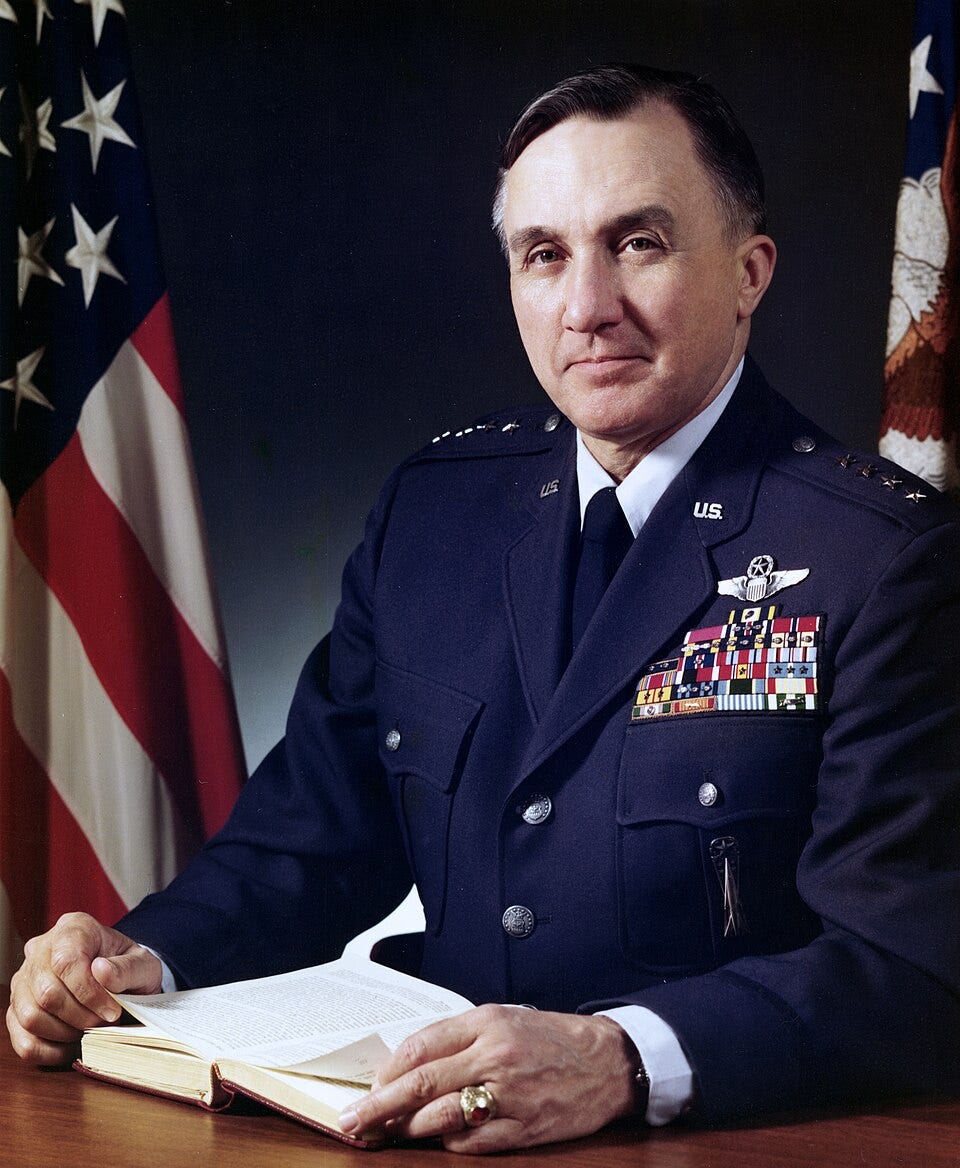
On 28 June 1950, 1st Lt. Bryce Poe II climbed into his RF-80A and kicked off the very first reconnaissance mission of the Korean War. By the time the dust settled, pilots like him would log over 60,000 recon sorties—each flight another chapter in a high-stakes, sky-high epic.
Reconnaissance and Resolve Over Korea
It was the summer of 1950, when the Korean peninsula became the proving ground for the newly minted United States Air Force, still shaking off its World War II hangover.
The Korean War feels like a reel from an old war film: hastily reactivated bombers, dusty airstrips, and pilots who’d barely unpacked their flight suits. When North Korea stormed over the 38th parallel on June 25, the USAF was running on peacetime fumes. Its focus scattered, its budget tight, and its mind still on the big shadow cast by the Soviet Union.
South Korea, left with little more than a threadbare army, suddenly needed a shield. President Truman (nudged by the United Nations) called in the Air Force.
By June 27, American F-82s were tangling with North Korean fighters, drawing first blood in the skies. B-26s swooped in, strafing Pyongyang’s airfields, and by the next day, as ground forces reeled back toward Pusan, airpower became the only thing holding the line.
F-80s, F-51s, and those relentless B-29s pounded tanks, bridges, and convoys, turning highways into graveyards of twisted metal. Every sortie bought precious hours as the tide waited for its turn at Inchon.
Then came the plot twist: China’s armies stormed in, flipping the script from near-victory to a desperate retreat. But the Chinese, for all their numbers, lacked the wings to finish the job.
UN planes, roaring in from Japan, shredded their supply lines, covered battered columns, and gave Ridgway’s counterattack teeth. If the Communists had owned the skies, they might have driven the UN right off the map.
Up north, the air war became a duel of technology and nerve. Soviet MiG-15s sliced through the thin blue, forcing the USAF to unleash the F-86 Sabres. MiG Alley was born. It is a stretch of sky where legends like the Sabre pilots racked up kills, while B-29s ducked into the night to dodge the deadly new jets.
Every bombing run, bridge strike, and hydroelectric raid became part of a high-stakes chess match for the peninsula’s fate.
And on 28 June 1950, a young 1st Lt. Bryce Poe II took off in an RF-80A, flying the Korean War’s first reconnaissance mission. His flight marked the beginning of a sprawling effort—over 60,000 sorties—that proved airpower wasn’t just about dogfights and bombs, but about seeing the battlefield first.
When the world ignites, a true Air Force answers the call before the opening credits are even finished.
Under the Hoods of Twin-Mustang and Boxcar
Let’s dive into the skies of the Korean War, where legendary warbirds like the Twin Mustang and the Flying Boxcar rewrote the rules of combat and courage.
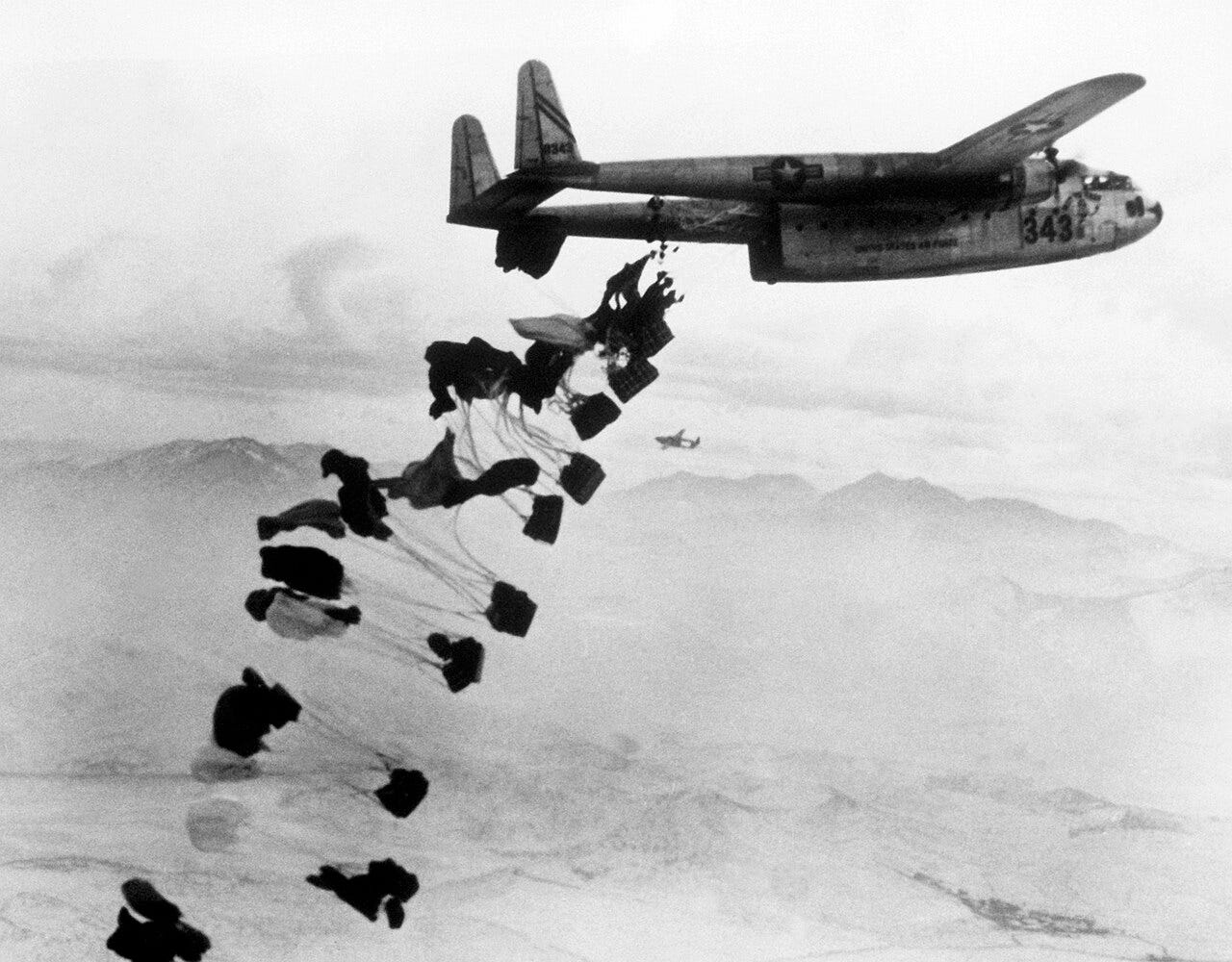
Picture the C-119J Flying Boxcar. It is a beast of a cargo plane, nicknamed for its chunky, utilitarian looks; soaring through history. But this wasn’t just a flying truck. In August 1960, the Boxcar pulled off a move straight out of a sci-fi flick: it made the world’s first mid-air snatch of an object tumbling back from space.
With a winch and some seriously gutsy flying, a recovery crew reeled in the Discoverer XIV satellite right through the plane’s open tail, ushering in the era of ‘satellite catching’—a cloak-and-dagger mission that soon became routine for the USAF, bringing home secret recon film from the edge of space.
The Flying Boxcar first took to the air in 1947, designed to haul heavy cargo, paratroopers, or the wounded, thanks to those barn-door-sized rear hatches and a floor that sat level with the ground.
While the J model became famous for its space-age exploits, earlier Boxcars earned their stripes in Korea, running missions that could turn the tide of battle. None more dramatic than the winter of 1950 at Chosin Reservoir: with U.S. troops cut off by enemy forces, C-119Bs dropped massive bridge sections from the sky, helping trapped soldiers and Marines escape through a mountain pass that would’ve otherwise been their end.
The Boxcar’s service didn’t stop there. It even transformed into a gunship in Southeast Asia, laying down fire to protect ground troops.
And then there’s the F-82 Twin Mustang; two fuselages, one wild vision. While it looked like a double Mustang mashup, it was actually a brand-new bird, built to go the distance with a pilot and co-pilot sharing the load for marathon escorts.
Too late for World War II, but just in time for Korea, the F-82s were the first USAF fighters to sweep into combat there. On 27 June 1950, their guns blazed, downing the first three enemy planes of the war, a legendary entrance for a legendary warbird.
Eyes Before Fire: Korea’s Reconnaissance Legacy
The story of the Korean War isn’t just etched into the icy ridges and battered columns retreating through the snow, nor is it solely told in the roaring duels above MiG Alley. Its lesson (etched in vapor trails and shadows on the ground) is that victory goes to those who spot danger first, move with urgency, and command the heavens.
It was June 1950 when the fledgling U.S. Air Force was yanked into the fray, scrambling to halt disaster on the Korean Peninsula after years of peacetime downsizing. Airpower became the lifeline: buying precious hours, shielding embattled troops, bombing bridges and railways, and stripping the enemy of safe passage under wide-open skies.
But the war’s turning point crept in quietly. Enter 1st Lt. Bryce Poe II, who, in an RF-80A, flew the very first jet reconnaissance mission of the conflict.
Before bombs could hit their mark or commanders could map the enemy’s push, someone had to thread the clouds and flirt with danger, camera in hand. Poe’s flight sparked a relentless reconnaissance campaign that proved intelligence wasn’t just backup; it was the nervous system of airpower.
That spirit still soars today. The RF-80’s lens has morphed into satellites, drones, stealth jets, and real-time data webs. The mission endures: find the threat before it finds you.
From Korea’s mountains to modern skies, reconnaissance is still the opening move. Poe’s legacy? Sometimes victory begins with a single, fearless glance beyond enemy lines.
In Case You Missed It
Photo Outlet
Every issue of Hangar Flying with Tog gets you a free image that I’ve taken at airshows:
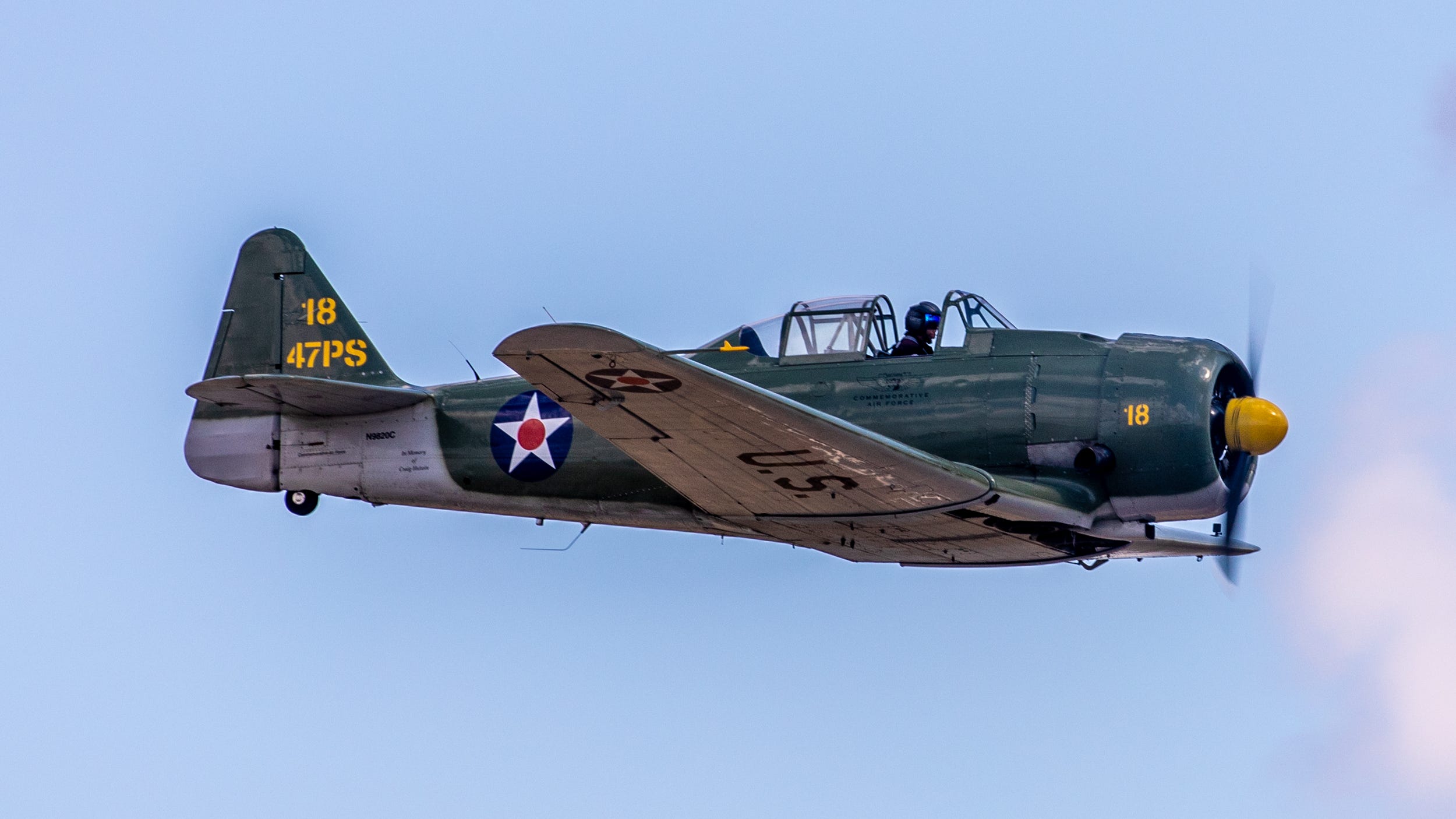
Feel free to use these photos however you like. If you choose to tag me, I am @pilotphotog on all social platforms. Thanks!
Post Flight Debrief
Like what you’re reading? Stay in the loop by signing up below—it’s quick, easy, and always free.
This newsletter will always be free for everyone, but if you want to go further, support the mission, and unlock bonus content like the Midweek Sortie, consider becoming a paid subscriber.
Your support keeps this flight crew flying—and I couldn’t do it without you.
– Tog