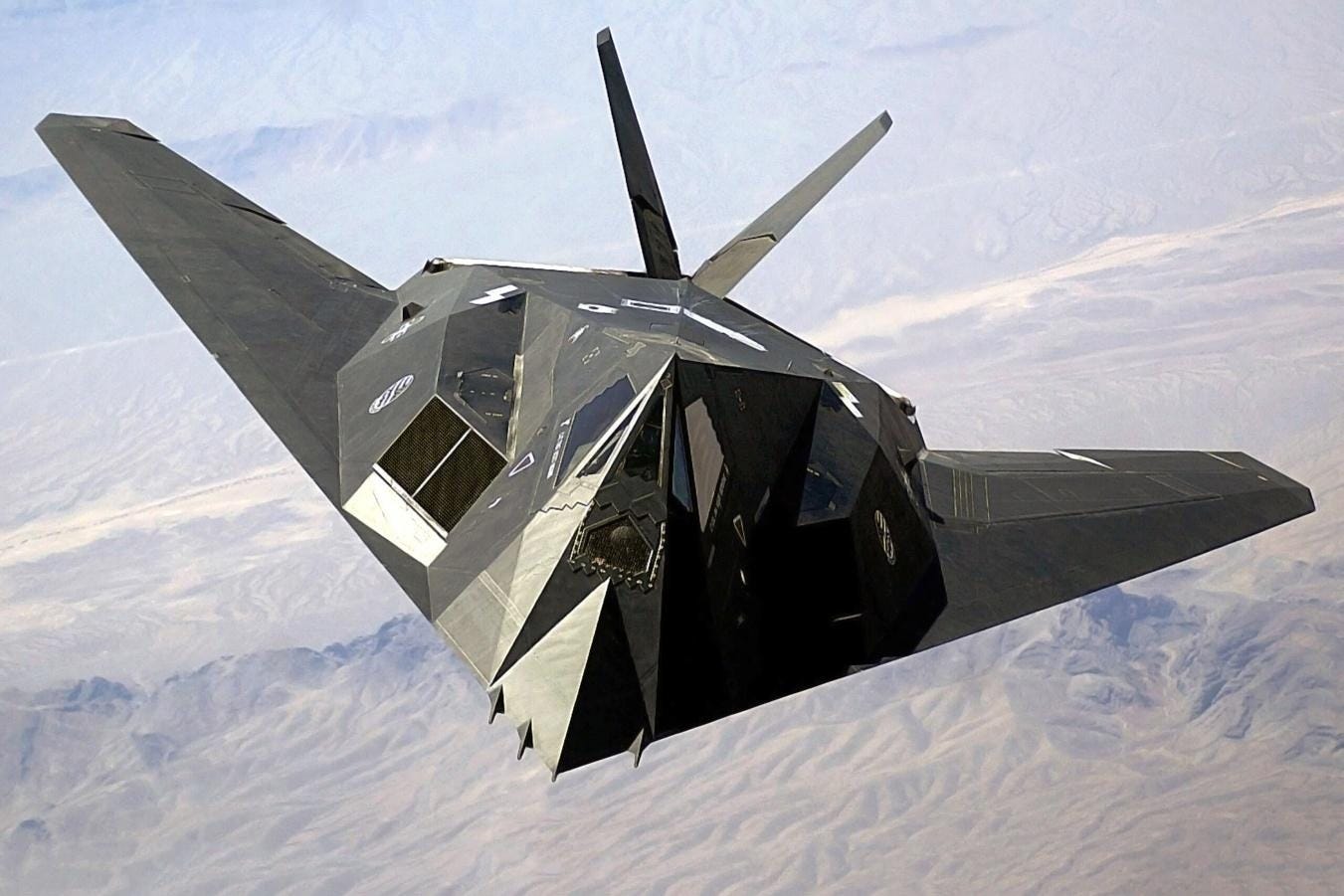
“Maintaining [the] radar-absorbent coating on the surface of the F-35 is a job that takes very detail-oriented, sometimes tedious work — masking every small area, properly mixing chemicals, applying them precisely, smoothing, and assessing the smallest imperfections. It’s time-consuming, but it’s vital to get it right.”
—Master Sgt. Francis Annett, 388th Maintenance Squadron Fabrication Flight Noncommissioned Officer-in-Charge
Imagine a stealth jet at rest—no afterburner thunder, no cinematic fly-by—just technicians in a brightly lit hangar, running gloved fingers across a surface where survival is measured in microns. This members-only deep dive goes where airshow photos never do, into the quiet, painstaking world where stealth is actually made and unmade. We trace how radar-absorbing materials evolved from early Cold War experiments to the fragile, high-maintenance skins of jets like the F-22 Raptor and F-35 Lightning II, and why the lineage really begins with the shadowy work behind the A-12 Oxcart and SR-71 Blackbird. It’s a story of coatings that act more like invisible armor than paint, of weight, heat, and maintenance hours traded for seconds of invisibility—and of why true stealth is won on the ground long before a jet ever slips past a radar screen.