

Global Eye Replaces the E-3 and Remember the First Flight of the Boeing Model 299
From delivering bombs to delivering battlefield awareness: how large, long-range aircraft evolved into strategic force multipliers.
“We are confident that GlobalEye is the right choice for the Alliance, delivering proven capability, adaptability and long-term operational advantage. Today’s announcement clearly positions GlobalEye as the world-leading solution for advanced airborne early warning and control. We look forward to the next steps in the negotiations.”
—Micael Johansson, President and CEO of Saab
Mission Briefing
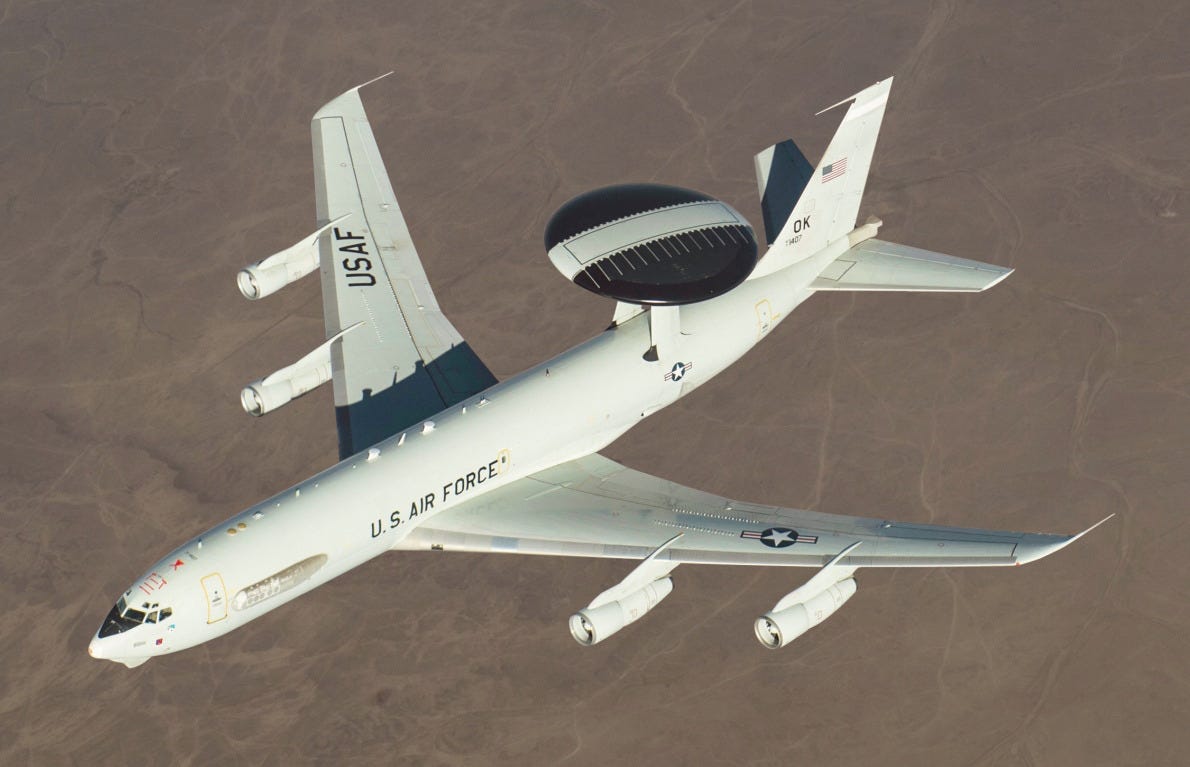
Up in the briefing room, NATO’s own Mark Rutte—looking every bit the seasoned flight captain—tipped his hat and announced a bold new heading: several allies are set to bring up to ten Saab GlobalEye aircraft into the fleet, swooping in to relieve those old E-3 AWACS birds that have flown their last great missions. The next chapter of the sky is about to be written, and the story just got a whole lot more fascinating.
NATO’s New Eyes in the Sky
After months of suspense humming through the hangars and briefing rooms, NATO’s next big leap in airborne vigilance has taken flight. In the cinematic glow of the Ankara summit, Secretary General Mark Rutte—part statesman, part air marshal—stepped up to the podium and set the course: the Saab GlobalEye will take the controls as NATO’s newest Airborne Early Warning and Control platform, ushering out the legendary E-3 AWACS in a changing of the guard high above the clouds.
This wasn’t just a solo flight—Rutte revealed that a coalition of allies has charted a joint mission: ten GlobalEyes, sleek and bristling with next-gen tech, will soon patrol NATO’s skies. The numbers don’t match up one-for-one with the old E-3s (fourteen are on the books now, once eighteen) but in this new era, it’s all about quality over quantity and adaptability in the ever-shifting currents of defense.
Down on the tarmac, Saab’s team stood at the ready but kept their checklists open—no contract inked, no orders filled just yet. Negotiations with NATO’s procurement wing are set to begin, but the clock hasn’t started ticking on delivery.
Micael Johansson, Saab’s top aviator, radioed in with pride, calling GlobalEye the right wingman for NATO’s future. Swedish Prime Minister Ulf Kristersson echoed the sentiment, hinting at a future where, by 2027, these new sentinels will launch from Swedish runways—eyes wide open, watching over the alliance.
When the Wedgetail Lost NATO’s Horizon against the SAAB GlobalEye
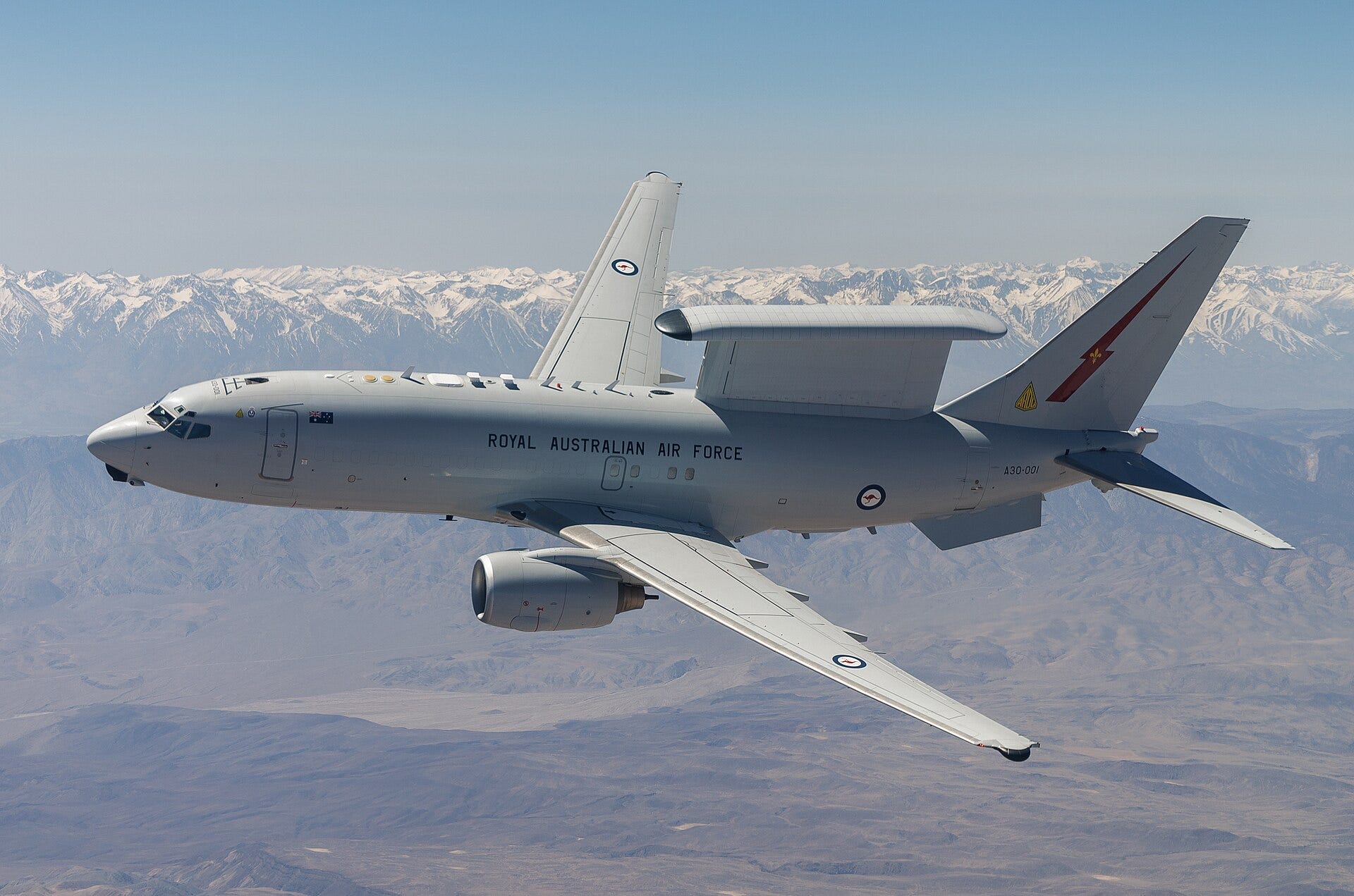
Last 2023 the NATO alliance, with its eyes ever on the horizon, faces a crossroads in the sky. Their legendary fleet of 14 E-3A AWACS, the airborne sentinels that have watched over Europe’s airspace for generations, are nearing the end of their story. The solution?
Enter the E-7A Wedgetail, a new breed of airborne guardian, handpicked to carry the torch into the future.
The plan was fascinating in its scale and urgency. NATO’s iAFSC initiative mapped out a transition, aiming to field six Wedgetails and keep the alliance’s watchful gaze unbroken. The clock was ticking, and only the E-7A could meet the lofty demands and tight deadlines. Belgium, Germany, Luxembourg, the Netherlands, Norway, Romania, and the United States joined forces, forming a procurement squadron to shepherd the new birds into service.
Turkey had already welcomed the Wedgetail to its hangars. Across the Atlantic, the U.S. and U.K. had both chosen the E-7 as their own AWACS heir, though their rollouts were already running late, a reminder that even the best-laid flight plans can hit turbulence.
Then, in 2025, the story took a twist. The Dutch Ministry of Defense, speaking for the nations backing iAFSC, announced they’d be scouting for fresh alternatives to plug the looming gap by 2035. Whispered in the background was the U.S. Air Force’s own wavering commitment to the E-7, a plotline that may have nudged NATO’s hand, though the shadowy details remain classified.
Cue the Saab GlobalEye, a jet that reads like something straight out of a pilot’s daydream. This isn’t just an aircraft. It’s a multi-domain, airborne command post, built for marathon missions that stretch past 11 hours. Its backbone is the Bombardier Global 6500, a business jet with legs, able to soar high and scout vast territories.
Its primary eye is the Erieye Extended Range radar, perched above the fuselage like a hawk’s crown. This AESA radar, dripping with gallium nitride tech, can spot low flyers at long range and sweep entire sectors with ease.
But the GlobalEye doesn’t stop there. It’s kitted out with a Leonardo Seaspray 7500E for maritime surveillance, a Star SAFIRE 380HD EO/IR sensor for crystal-clear imagery, electronic support gear, IFF systems, and an AIS receiver. Air, sea, or land; if it moves, GlobalEye sees it.
All this data is fused and funneled through Saab’s mission system, connecting dots across every domain, and pushing real-time intelligence to commanders wherever the action is.
In the evolving theater of the skies, NATO’s next move is a high-stakes act of aviation storytelling, with every chapter written above the clouds.
What NATO’s New Watchtower Means for America and Its Allies
NATO, the world’s most storied alliance, is swapping out its legendary E-3 AWACS radar planes for a new generation of sentinels—the Saab GlobalEye. Imagine a skybound storyteller, weaving the threads of air, sea, and land into one epic, panoramic tale.
GlobalEye isn’t just a plane; it’s a flying command post with eyes that never blink, able to spot everything from stealthy drones skimming treetops to ships slicing through the fog. With a fuel tank big enough for eleven hours in the clouds, it keeps watch over NATO’s northern and eastern frontiers, never missing a beat.
For Europe, this is a coming-of-age moment. Eleven countries are pooling their resources, turning what would be a solo act into an ensemble performance. Smaller nations get a seat at the high-tech table, and Sweden—now a full NATO member—brings its radar wizardry into the fold, strengthening ties and tech alike.
Across the Atlantic, the mood is more complex. The U.S. stands to gain from a partner that can help shoulder the surveillance load and feed vital data to allied forces. But there’s a tinge of regret: Boeing’s E-7 didn’t get the spotlight, a reminder that delays and indecision can change the script.
Now the real adventure begins. Can NATO turn this multinational, sensor-fused fleet into a seamless network. One that spots danger first, shares faster, and keeps the alliance a step ahead in tomorrow’s high-stakes drama? Time, and teamwork, will tell.
This Week in Aviation History
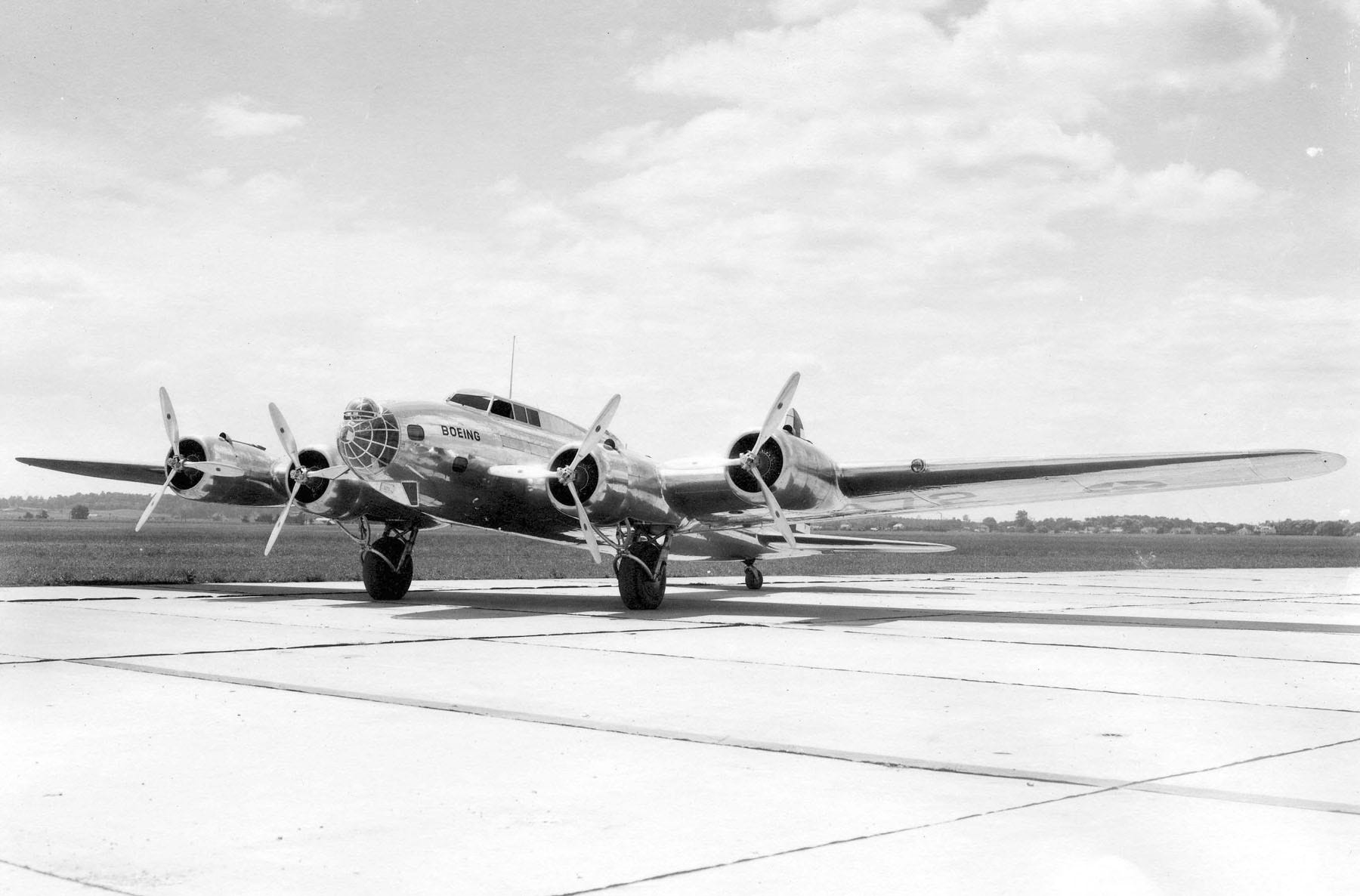
On a summer day in 1935 (28 July), the sleek Boeing Model 299—soon to be hailed as the mighty B-17 Flying Fortress—soared into the sky for the very first time, turning heads on the tarmac below. Born from the Army’s dream for a fast, far-flying bomber, this steel bird rewrote the playbook for what a heavy bomber could be. That maiden flight was the opening scene in the legend of the B-17, an icon destined to rule the skies of World War II.
First Flight of the Boeing Model 299 (XB-17)
Ninety-one years ago, on 28 July 1935, the Boeing Model 299—known in-house as the XB-17—lifted off from Boeing Field in Seattle for its very first adventure.
At the helm were Chief Test Pilot Leslie “Les” Tower and Boeing engineer Louis Waite, guiding ship number X13372 for a brisk 90-minute flight. Tower, clearly charmed, quipped that it flew “just like a little ship—a little bigger, of course,” capturing the moment when this machine first hinted at greatness.
The Model 299 was Boeing’s bold answer to the Army Air Corps’ call for a bomber that could haul two thousand pounds of ordnance over two thousand miles at speeds topping 200 miles an hour. It is a tall order in 1934.
With design kicking off that June and final assembly roaring ahead by August, the team moved at breakneck speed. Though the prototype looked a touch different from the B-17 Flying Fortress that would later become a wartime legend, its spirit and silhouette set the stage for history.
That maiden flight marked more than a technical milestone—it was the prologue to a new era in strategic bombing. The Model 299 evolved into the B-17, a fortress of the skies that would help tip the balance in World War II.
Inside the Model 299
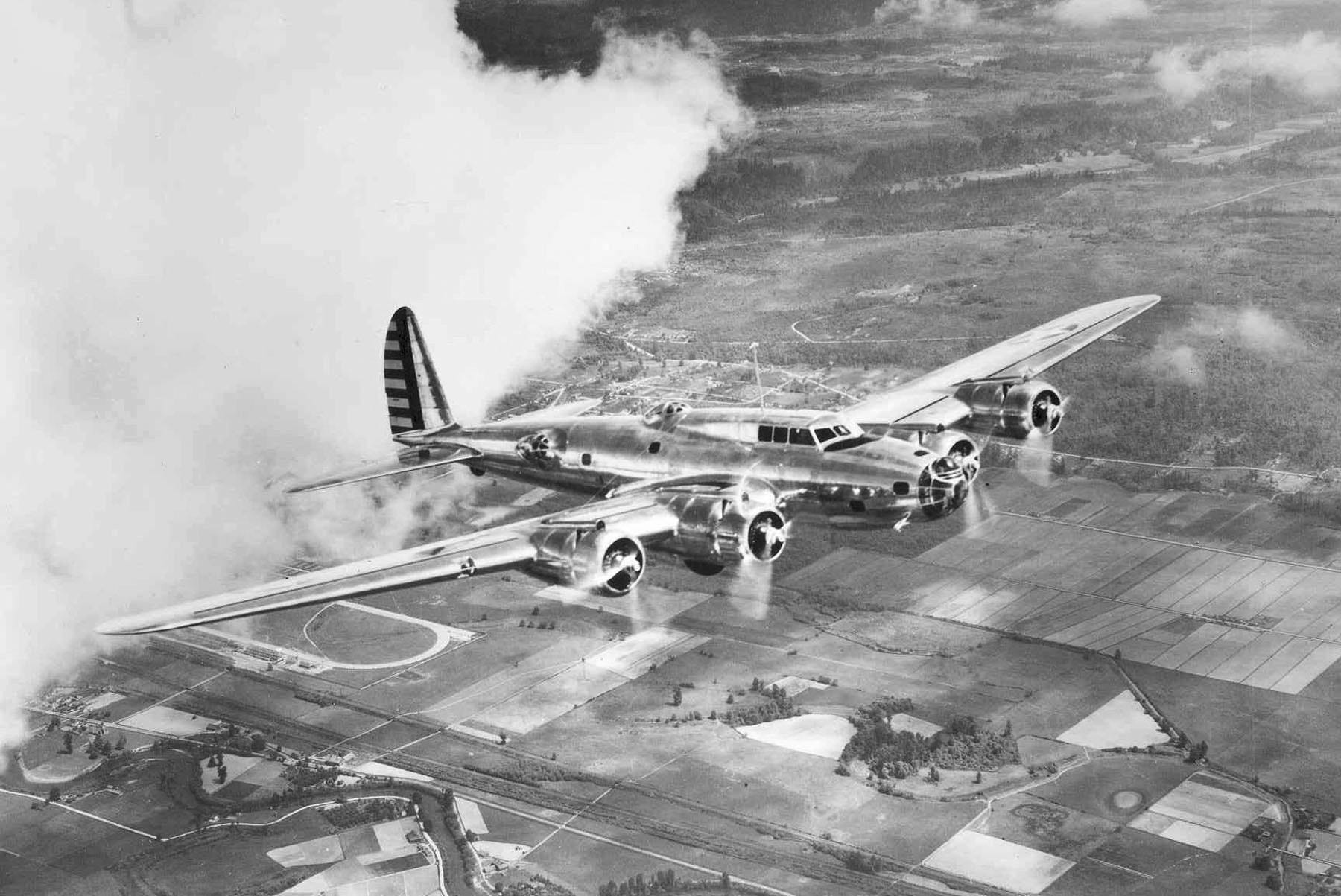
Step right up and witness a true marvel of the skies: Boeing has just unveiled the mighty Model 299, a four-engine, all-metal giant born from a year of secret labor in Seattle’s bustling workshops.
Touted as the fastest and longest-ranging bomber ever built, this sky titan is primed to set the standard, soon to take on rivals in the Air Corps’ ultimate showdown at Dayton, Ohio. If first impressions hold, the Model 299 is about to rewrite the rulebook on aerial defense; offering speeds and range that leave every bomber before it eating its contrail.
Shrouded in a cloak of military secrecy, details are scarce, but Boeing assures us their creation matches or exceeds every high bar set by the Air Corps. Imagine slicing through the stratosphere at 200 to 250 miles per hour, cruising above ten thousand feet for up to ten hours, and reaching heights most bombers only dream of, 20,000 to 25,000 feet, to be exact.
Dubbed the “aerial battle cruiser,” this machine stretches nearly 100 feet from wingtip to wingtip, spans 70 feet in length, and tips the scales at fifteen tons. Four roaring Hornet engines (each packing over 700 horsepower) power those new three-bladed Hamilton Standard props.
With its sleek lines, retractable gear, and tail wheel, speed is built into every curve. Should one engine give out mid-mission? No sweat—this bird keeps flying.
Inside, Boeing’s packed the Model 299 with a treasure trove of innovations: cutting-edge armament, the latest flight and engine instruments, an automatic pilot, two-way radios, and even a radio homing beacon.
Air brakes make their American debut, and the wheels and tires are custom-built for this beast. Every inch is crafted in Boeing’s signature semi-monocoque style—longerons, stiffeners, bulkheads, and that gleaming, smooth metal skin—making the Model 299 a true legend in the making.
The Bomber That Redefined Airpower
Strap in and picture the dawn of a new era in American airpower. It is a story that begins in 1935 with the Boeing Model 299, a four-engined, all-metal beast that looked more like a vision from tomorrow than anything the Army Air Corps had ever seen.
This machine didn’t just outfly its peers; it outthought them, packing speed, range, and enough firepower to give any foe pause. Sure, fate threw a wrench in the works with a crash at Wright Field, a tragedy born not of design, but of a simple, fatal oversight.
And from that heartbreak came something revolutionary: the aviation checklist. No more flying by memory alone; now every crew would follow this step-by-step ritual, a quiet revolution in cockpit discipline that made flight safer for all who dared the sky.
Transformed into the legendary B-17 Flying Fortress, the Model 299 became the iron backbone of daylight bombing raids across Europe. Crews rolled out in tight, bristling formations, braving flak and fighters to cripple the enemy’s war machine—factories, railways, oil fields, you name it. The B-17 earned a reputation for limping home full of holes and hope, but its legacy is etched in sacrifice as well as steel.
The Model 299 didn’t just change aircraft. It changed warfare. It proved you could reach across continents with bombs, and that airpower could stand as its own strategic force.
From those four roaring engines and the first paper checklist to today’s stealthy, digital marvels, every aviator flying long and far owes a nod to the pioneers who proved that technology, discipline, and vision could redraw the map of war.
In Case You Missed It
Photo Outlet
Every issue of Hangar Flying with Tog gets you a free image that I’ve taken at airshows:
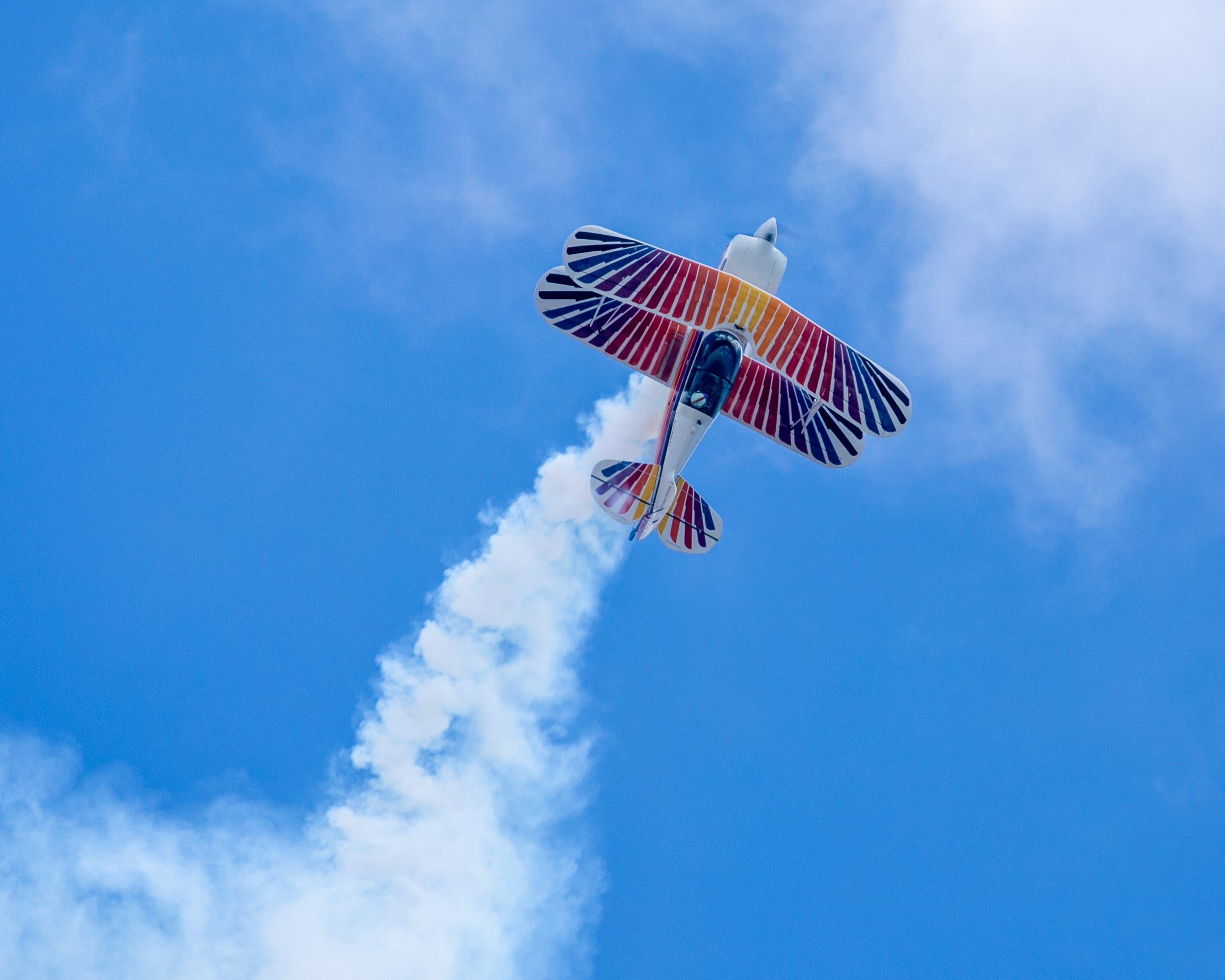
Feel free to use these photos however you like. If you choose to tag me, I am @pilotphotog on all social platforms. Thanks!
Post Flight Debrief
Like what you’re reading? Stay in the loop by signing up below—it’s quick, easy, and always free.
This newsletter will always be free for everyone, but if you want to go further, support the mission, and unlock bonus content like the Midweek Sortie, consider becoming a paid subscriber.
Your support keeps this flight crew flying—and I couldn’t do it without you.
– Tog